Car keys · Salem
Motorcycle & Scooter Keys in Salem
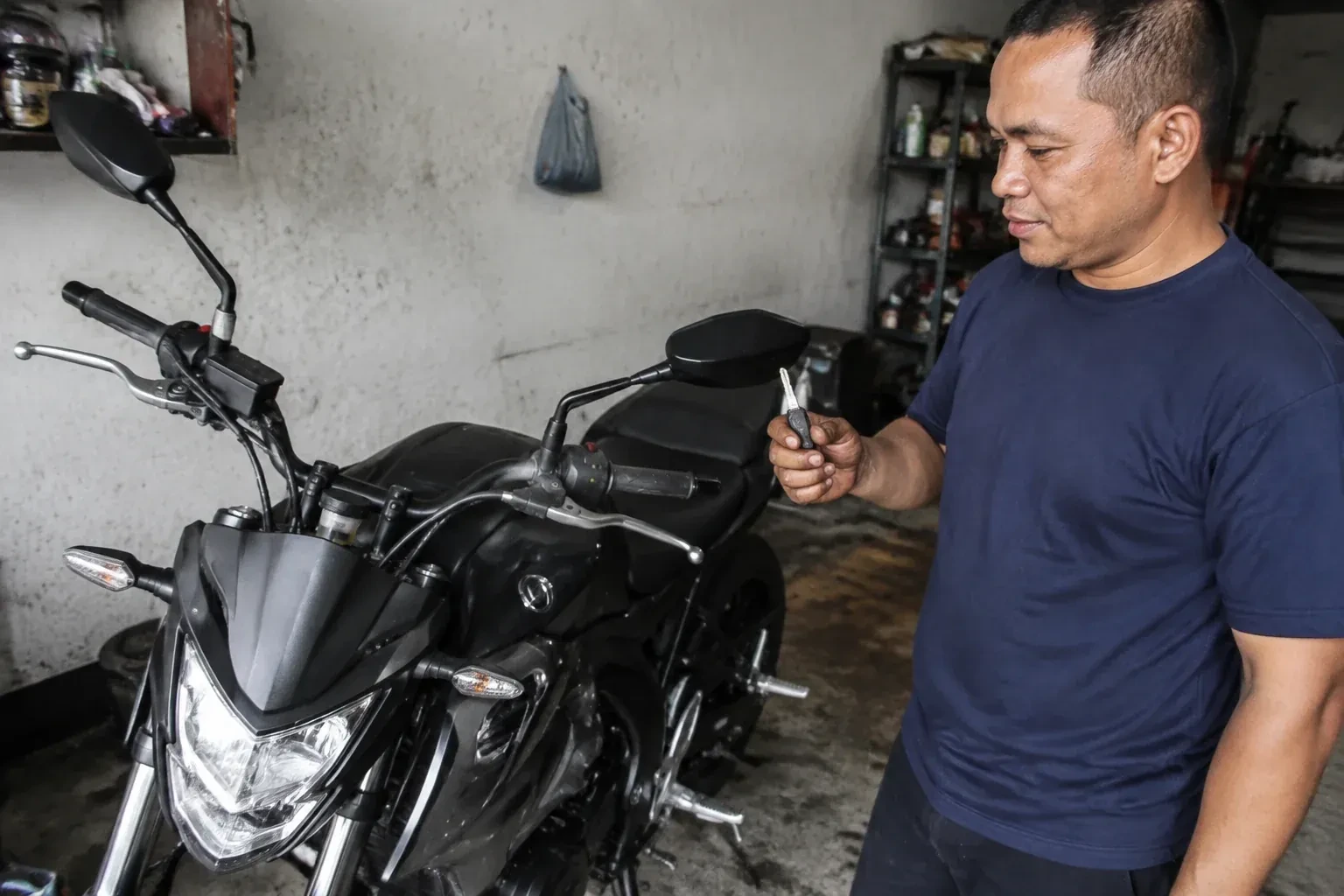
The dash lights come on, the starter cranks, and the engine simply refuses to catch, though the same key has run this bike since it was new.
In plain words
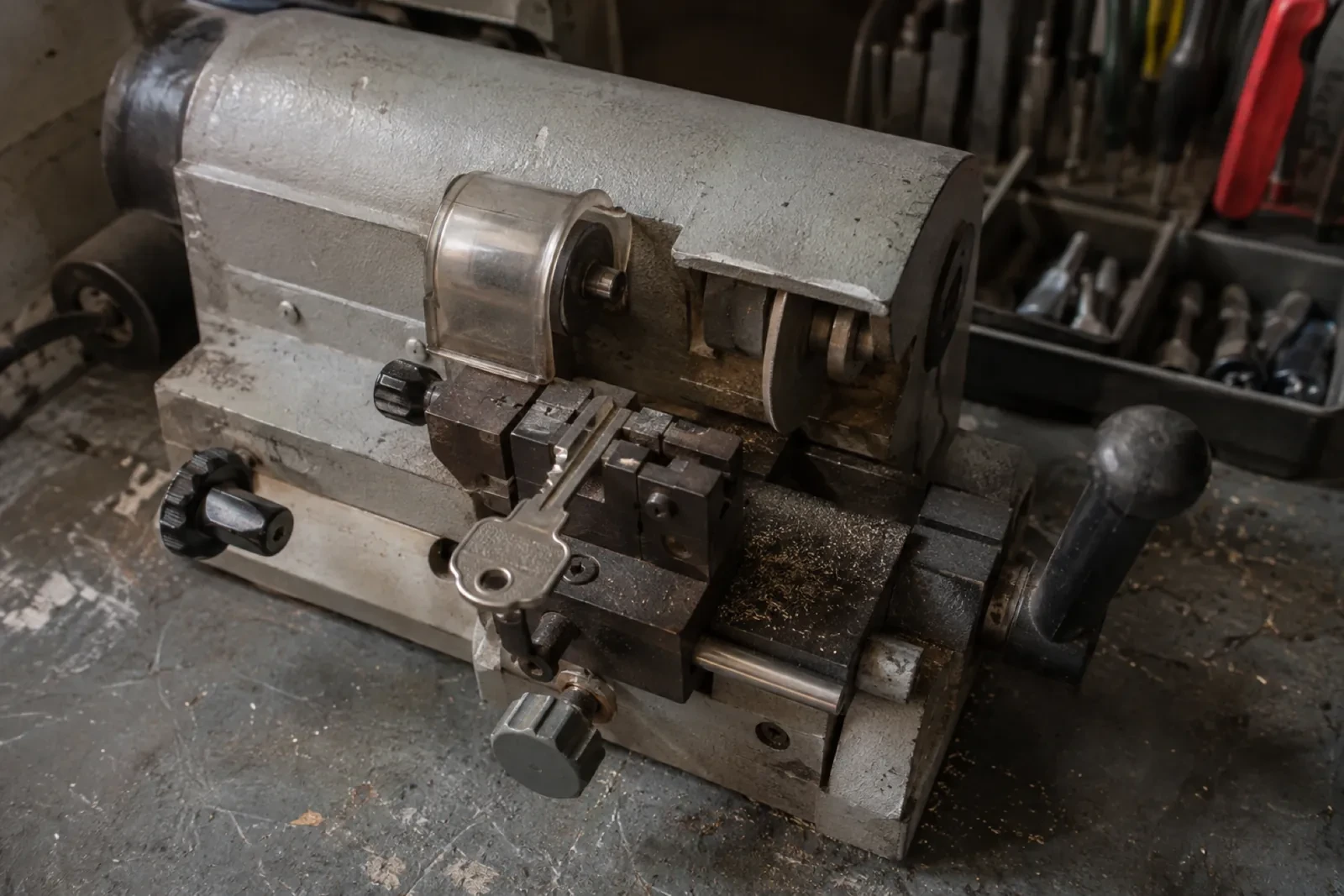
Sometimes the machine is not the problem; the key is. A blade that has worn thin, bent slightly, or been copied one generation too many stops lifting the wafers cleanly, which shows up as a key that needs a wiggle or a lift to turn. Rather than living with an unreliable copy, a fresh key cut directly from the lock's code or read from the original wafers restores a clean, consistent turn, and the worn key can be retired instead of carried as a backup that may not work when needed.
How the visit goesThe key still opens the seat and unlocks the fork, but at the ignition it needs a slow half-turn and a small lift before the switch engages, a habit that has crept in over years of daily starts.
Motorcycle & Scooter Keys
How the visit goes
Checking the steering lock's condition
Where the steering lock is a separate mechanism from the ignition switch, or has simply sat unused through a season of storage, the locksmith tests how freely it turns before relying on it to hold the front wheel. A lock that resists turning, catches partway, or needs unusual pressure is flagged early, since forcing it with a new key risks the same snapped blade that likely affected the old one. This check takes only a moment but matters, because a steering lock that will not release properly can leave the machine effectively immobile even with a working key in hand.
Bringing every lock onto one key
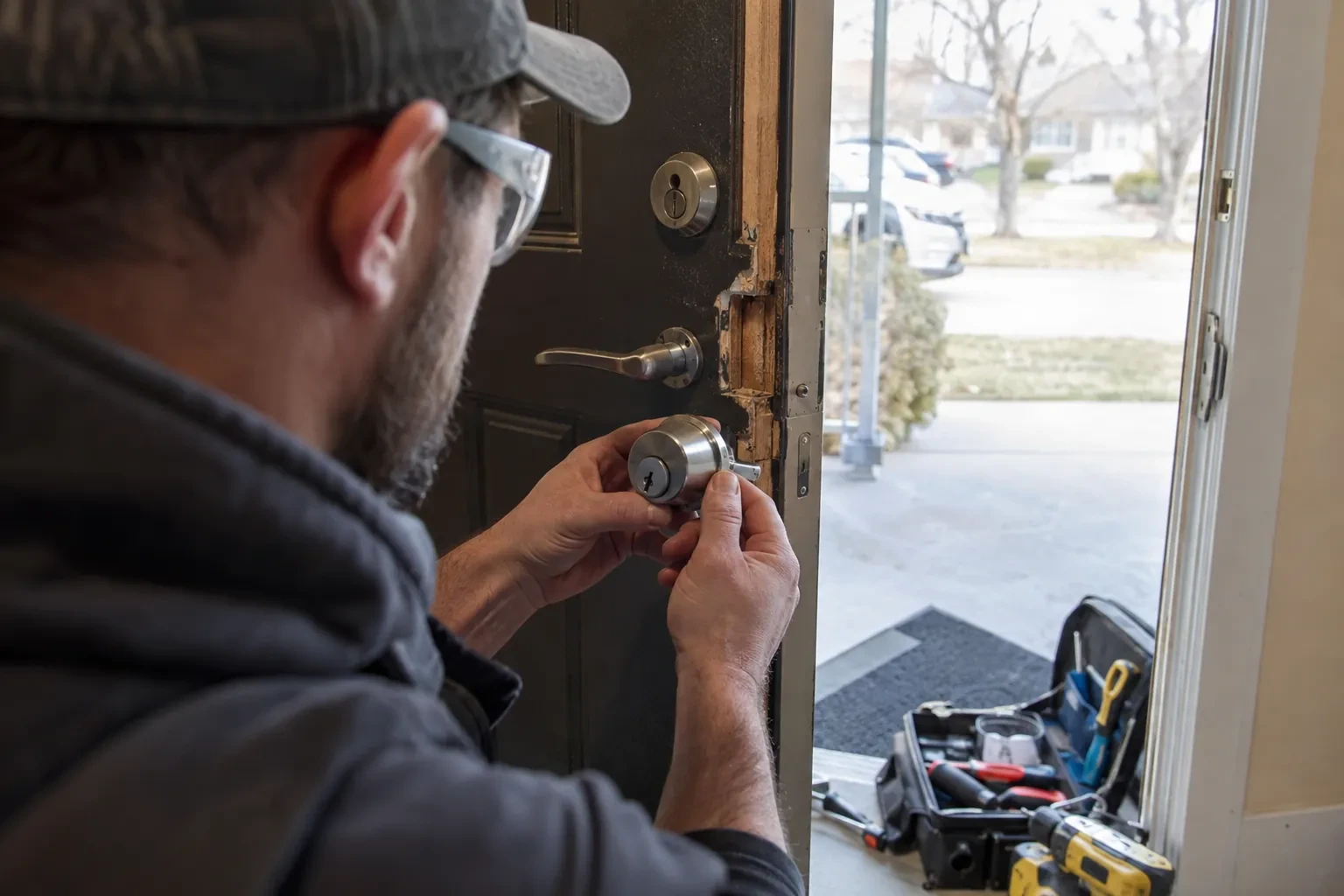
Where the cylinders are compatible and serviceable, bringing the seat, fuel cap and storage locks onto the ignition's key means opening each one in turn, removing its wafer pack, and fitting new wafers cut to the same combination as the freshly cut ignition key; some models instead need a matched replacement lock set. This is the same rekeying principle used on a house or car lock, applied to the smaller hardware found on a motorcycle. Each lock is tested with the new key on its own before the job is called finished, so the owner leaves with one key that genuinely operates every lock on the machine rather than one that has simply been told it should.
Getting through the next storage season
Heading into a season of outdoor storage, a lock that has just been cleaned and lubricated is in a better position to start the next season the same way it ended this one. A light coat of corrosion inhibitor on an exposed lock face, a cover that keeps direct weather off the ignition and seat area, and keeping the machine somewhere it is not standing in meltwater all help the same mechanism that was just serviced stay free through the months it sits unused. None of this takes long, but it is easy to skip until a stiff lock brings it back to mind.
Motorcycle & Scooter Keys
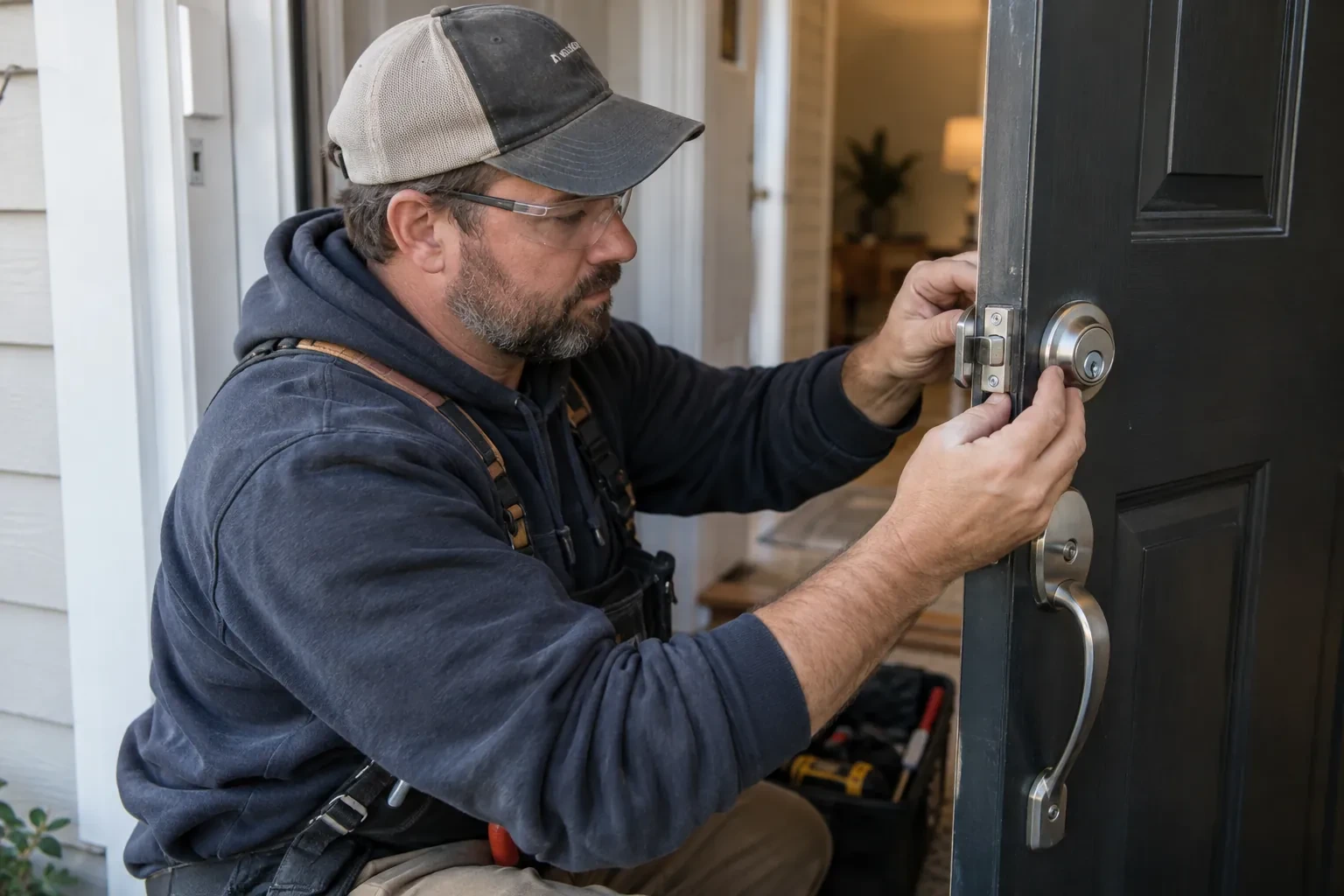
In the van
Replacement transponder chips
Fob shells and batteries
Contact cleaner
Wafer lock decoder
Torx and security bits
Motorcycle & Scooter Keys
What affects the quote
Time spent decoding a lock
Decoding a lock with no key at all, reading every wafer individually, takes longer than copying from an existing key, and that additional time is part of what the quote reflects.
Number of new keys cut
Keys cut on site are counted individually. Two for a rider and a partner, or several for a household that shares the machine, is reflected directly in the total.
Whether a working key already exists
Whether a working key still exists changes the job considerably: cutting or duplicating from one is the more direct route, while decoding a lock with nothing to reference takes longer and shapes the time reflected in the total.
What to have ready
- Was the machine bought used, and how many keys came with it?
- Do you have a key already, even one that works poorly?
- Where is the machine currently kept?
Motorcycle & Scooter Keys: questions
QuestionsCan you cut a key for an older or vintage motorcycle?
Yes, provided the lock or an existing key survives to read from. Older mechanical locks are generally simpler than current wafer or transponder systems, and a locksmith familiar with vintage keyways can often decode or duplicate them the same way as a newer lock. Where a replacement lock is genuinely needed rather than a key, sourcing period-correct hardware can take longer than the key work itself.
What is the difference between decoding a lock and picking it?
Picking manipulates the wafers to open the lock without necessarily learning their depths, useful when the goal is just to turn the lock once. Decoding reads each wafer's actual depth, usually with a scope or a feeler-style tool, so that information can be turned into a cut key. For key service the lock is generally decoded rather than only picked, since the point is producing a working key, not just a single turn.
Can the seat, fuel cap and ignition all be set to the same key?
On many serviceable, compatible systems, yes. Each lock is opened and its internal wafers are replaced with a set cut to match the ignition's combination, the same principle used to rekey a house lock applied to smaller hardware. Every lock is tested individually afterward so the finished key is confirmed against each one rather than assumed to work. Locks that were never on the same key from the factory can usually be brought together this way during one visit.
Related services
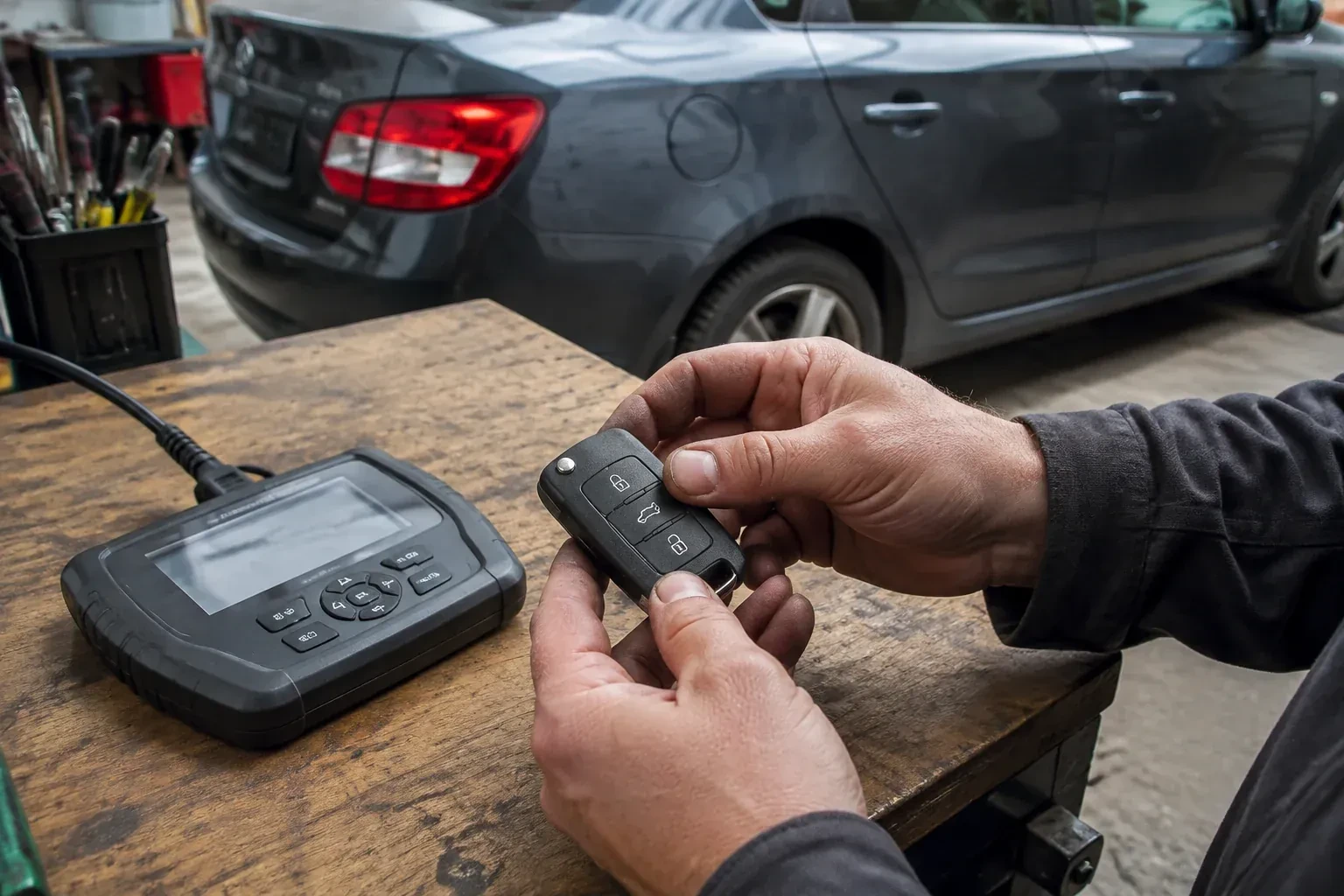
- Car Key ReplacementThe key snapped at the head while you were turning it in a stiff, frosty door lock.
- Spare Car Key DuplicationThe proximity fob has ridden in a pocket for years, the range feels shorter than it used to, and a dashboard warning mentioned a battery a while back.
- Key Fob ProgrammingA cracked case or a spin through the wash left the fob unresponsive, and opening it up reveals a slightly corroded board where the buttons used to sit.