High security · Centre Wellington
High Security Locks
Your shop has had four employees leave in two years and each one had a key.
In plain words
Think of the upgrade as four layers working together. The cylinder resists picking, bumping and drilling. The deadbolt resists sawing and kicking with a long, hardened bolt. The strike and screws keep the frame from splitting when the door is struck. And the key control stops copies being made without your say-so. A locksmith assesses your door for each layer and tells you where it is weak, because a strong cylinder screwed into a soft frame gains you little. Most homes end up with a graded deadbolt and a patented cylinder; businesses often step up to laboratory-rated cylinders and heavier lock bodies.
How the visit goesThe restricted keys you bought years ago are no longer restricted; the locksmith mentioned the patent has run out and blanks are sold openly. Your key control quietly stopped being control.
High Security Locks
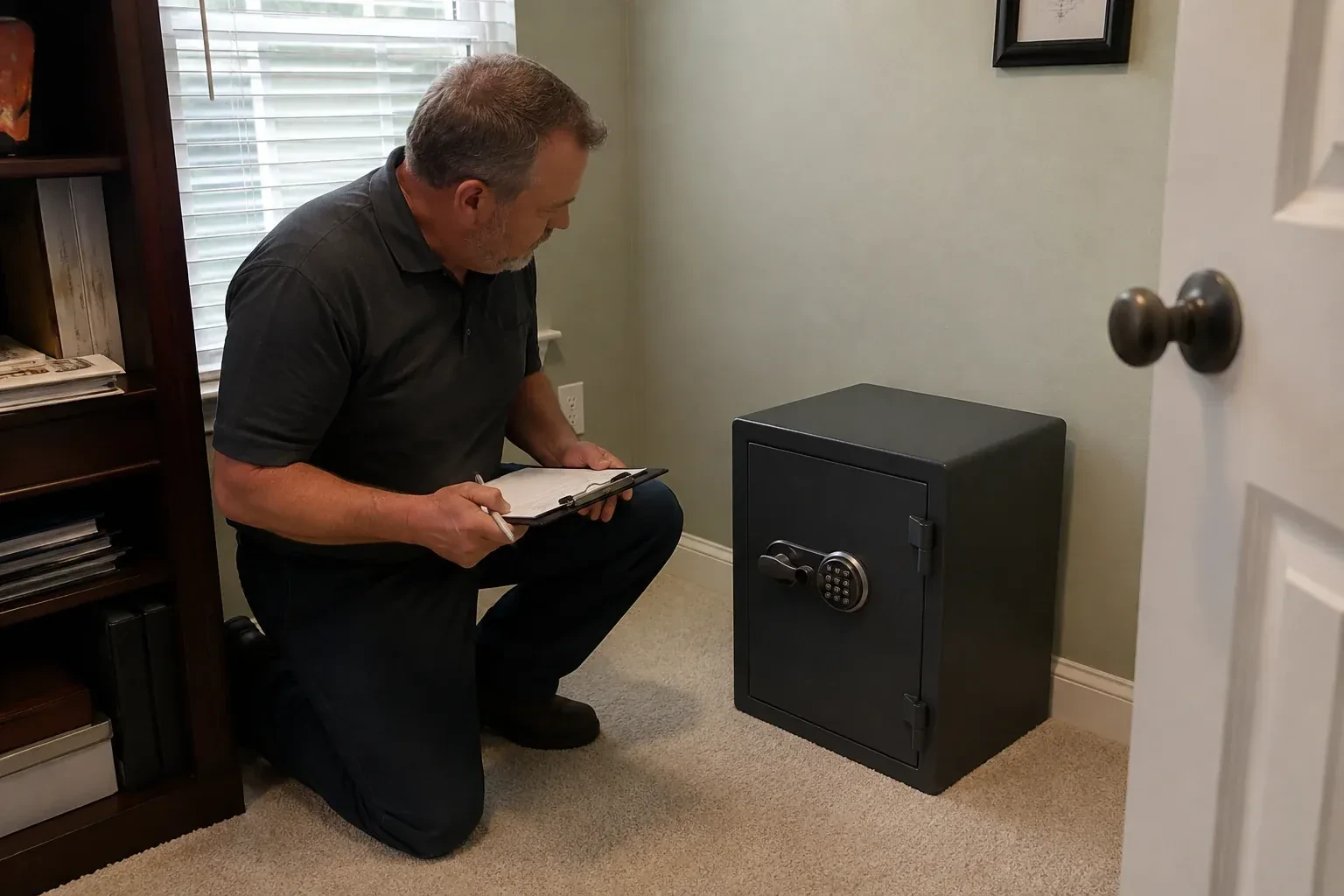
How the visit goes


The bolt, the pocket and the strike
A deadbolt is only as good as how far it reaches and what it reaches into. The locksmith measures the throw of the bolt with the door closed, checks that it fully extends without the door being lifted or pushed, and looks at the pocket it enters in the jamb. A shallow pocket, a stamped strike plate and screws barely longer than a thumbnail are the usual finding on a builder-grade door. Then the frame is examined for splits, soft wood and gaps behind the jamb, since a kick lands on the strike, not on the cylinder.
Reinforcing the strike and frame
The strike is where a forced door actually fails, so it gets serious attention. The stamped plate comes off and the pocket is deepened to accept a box strike or a long reinforced strike, fastened with three-inch screws that pass through the jamb into the wall framing. Stripped or split wood is filled and doweled first so the screws have something to hold. Where the frame is thin, a wrap-around reinforcer around the door edge and a full-length jamb plate are options. The result is a bolt that ties the door into the house rather than into a strip of trim.
Looking after a precision cylinder
High-security cylinders are finer mechanisms than the pin tumblers they replace, and a little care keeps them turning sweetly. Use only the dry lubricant the locksmith recommends, once or twice a year and sparingly, and never household oil, which gathers grit around the finger pins and sidebar. In cold weather, if the key resists, warm it in your hand or use a de-icer rather than forcing it. Insert the key fully before turning. Keep a spare key indoors so a bent or worn key is retired rather than pushed on. Treated this way, the cylinder outlasts the door around it.
High Security Locks
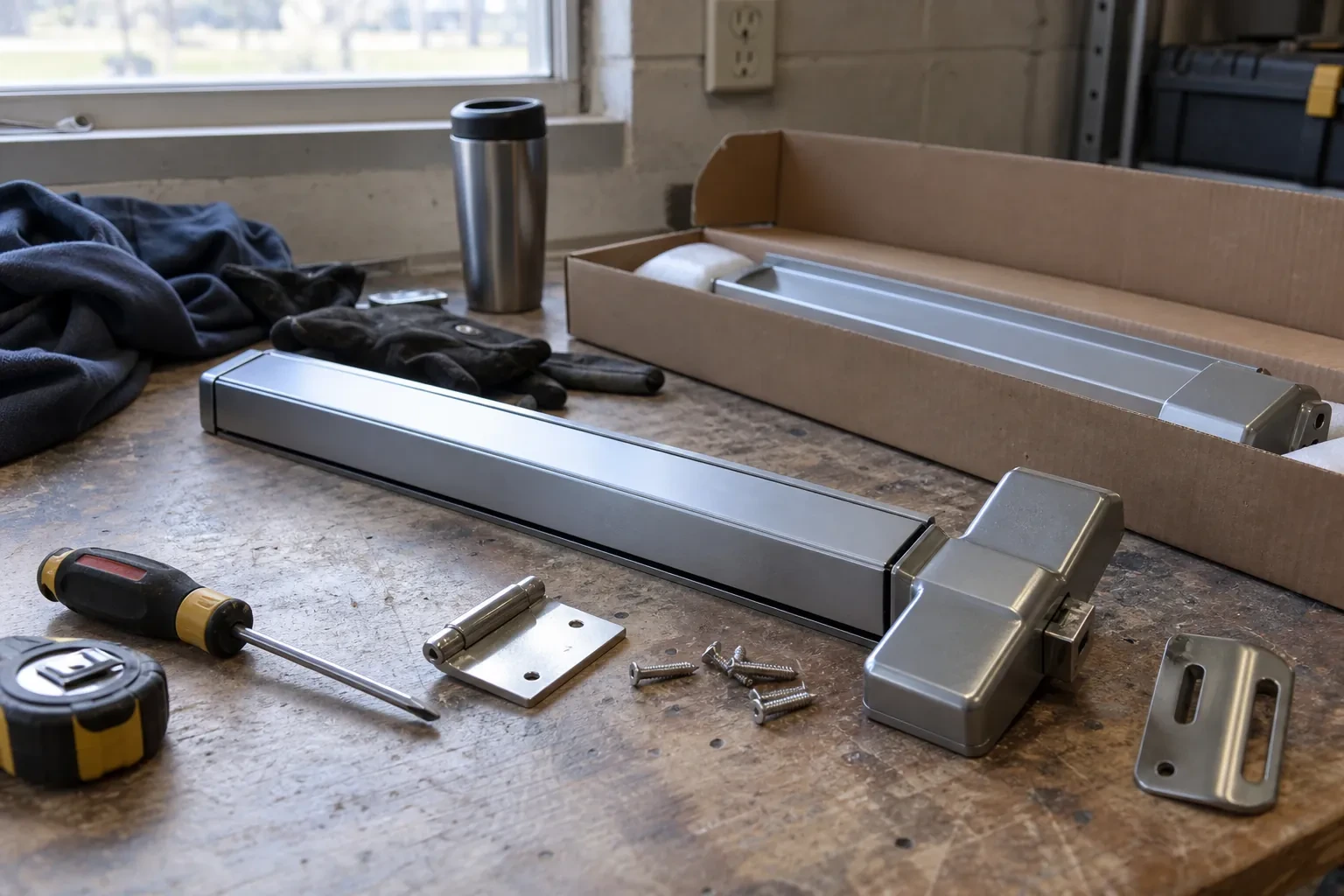
In the van
Key control authorisation card
Patented key blanks
Reinforced strike plate
Commercial mortise lock body
High-security cylinder

High Security Locks
What affects the quote
Master keying
Arranging staff keys, area keys and a manager key on one system takes bench time to plan and pin, and the more levels you want, the more careful that planning is.
Glass near the lock
Sidelights or glazed panels beside the deadbolt may call for a different function or extra hardware to keep the inside turn out of reach, always keeping easy exit in view.
Cylinder rating and format
A patented residential cylinder, a laboratory-rated commercial cylinder and an interchangeable core sit at different points on the scale, and the format that fits your present hardware decides which lines are available.
What to have ready
- For a business, who should be allowed to authorise new keys?
- How many keys exist today, and are you confident of that number?
- What does the door protect, and what prompted you to think about upgrading now?
High Security Locks: questions
QuestionsDo high security locks need special maintenance?
Only light care. Use the dry lubricant the locksmith recommends once or twice a year, never oil, which gathers grit around the finger pins and sidebar. Keep the keyway free of debris and insert the key fully before turning. In winter, warm a resisting key in your hand or use a de-icer rather than forcing it. Check hinge and strike screws each season so the door stays aligned. Treated this way the cylinder lasts for decades.
Will the new cylinder fit my existing locks?
Usually. High security cylinders are made in the common formats: key-in-knob and lever, rim, mortise and interchangeable core, and many are designed to drop into popular residential and commercial locks. The locksmith identifies your format and confirms fit before ordering. Where a lock is an odd size or in poor shape, a matching lock body is fitted instead, and the door preparation is reused wherever it is standard.
What about the glass panel next to my front door?
A sidelight within reach of the inside thumb-turn is the weak point of an otherwise strong door, since a broken pane lets a hand reach the turn. Options include moving the deadbolt further from the glass, a lock function that needs a key inside as well, or a laminated pane. Because everyone must still be able to leave easily, the locksmith talks through the trade-offs and helps you pick the arrangement that suits your household.