Car keys · Centre Wellington
Car Key Replacement
The key snapped at the head while you were turning it in a stiff, frosty door lock.
In plain words
There are two starting points, and the first question on the phone is which one you are in. If any working key exists, the job is to add a key: cut, then registered alongside it, often a short procedure. If every key is gone, the locksmith starts from what the vehicle supports: on many cars, the door lock is decoded to produce a blade and the immobilizer is reset to erase the missing keys before new ones are stored, while a key-card, phone-key or dealer-only vehicle follows its own route. Both end with a working key, but the second takes more steps, which is why a spare is worth having.
How the visit goesThe only key to the car went into the lake with the kayak. Now the car sits locked in the driveway with a full tank, and there is no spare in the house, in a coat pocket or anywhere else.
Car Key Replacement
How the visit goes
Parts and data lined up before the tools come out
Some vehicles hand over their security data readily; others require a PIN pulled from the car, a code from the manufacturer, or a procedure only the dealer's tooling can run. The locksmith confirms which applies to your VIN before committing to a key, and confirms the part is available: fobs are specific to frequency, part number and sometimes trim level, and a wrong one programs and then refuses to work the doors. For the systems that use manufacturer secure data, access is arranged through the industry's Vehicle Security Professional registry, which is why the ownership record is completed properly first. Nothing is cut until this line-up is clear.
Decoding the door lock when there is no code
When the code is unavailable, the lock itself becomes the source. The locksmith works a decoding pick into the driver's door cylinder, feels each wafer to its set position and reads off the depth, producing a full cut sequence without removing the lock from the door. The blank is then cut to that reading and tried in the door and the ignition. On cars where the ignition carries an extra wafer the door lacks, the last position is found by trying the small number of possible depths. This is careful, patient work that leaves the door lock exactly as it was.
Looking after the mechanical lock you rarely use
On a keyless car the door cylinder can go years without a key in it, which is exactly why it seizes with salt and grit. After the visit, use the emergency blade in the driver's door once a season so the wafers keep moving, and follow the vehicle or lock maker's own maintenance instructions once the salt is off the roads in spring, since automotive locks more often need cleaning than added lubricant. In a cold snap, a small tube of lock de-icer in a coat pocket does the job; hot water only refreezes inside. A lock that has been freed during the visit stays free with this little attention.
Car Key Replacement
In the van
Decoding pick and lock reader
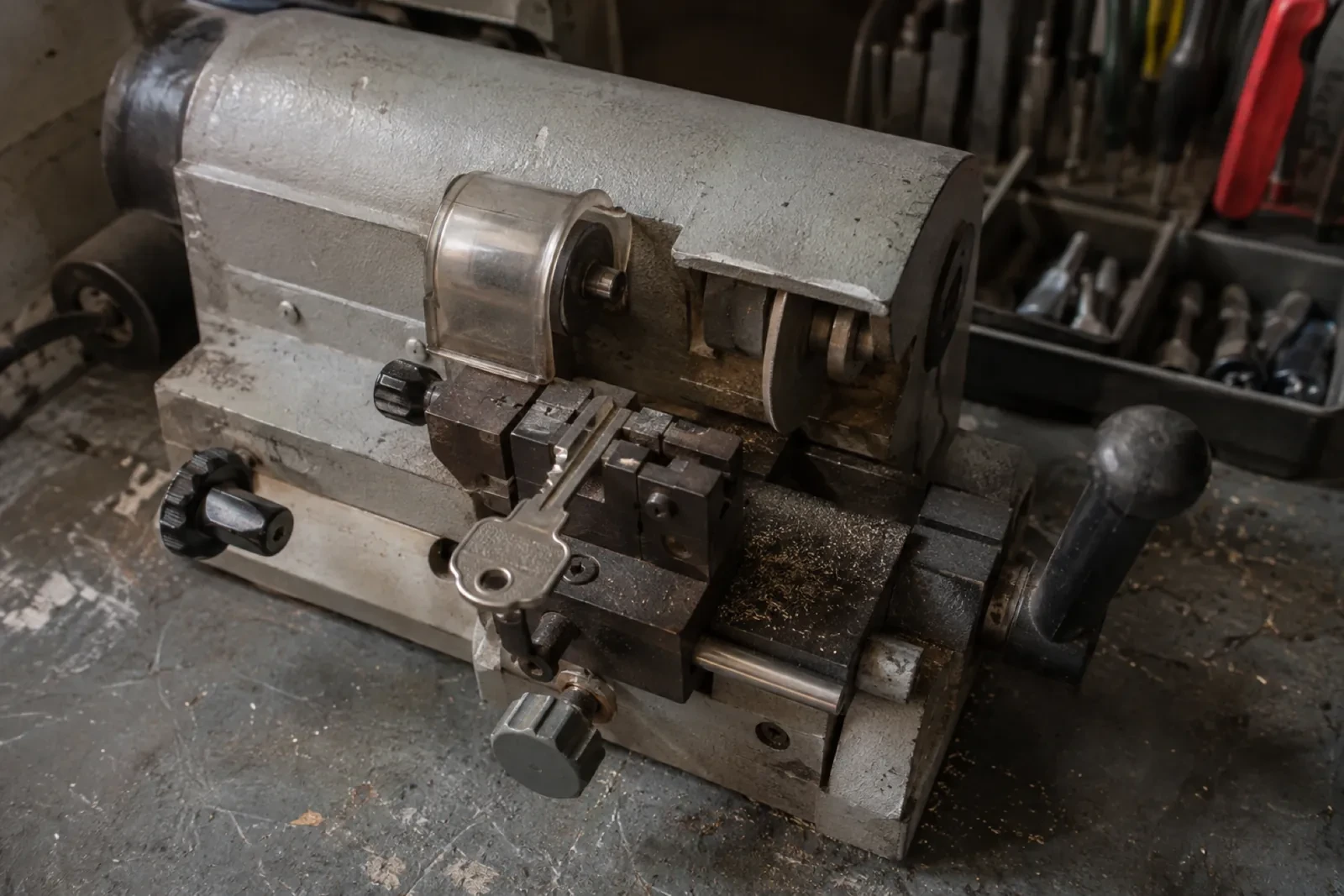
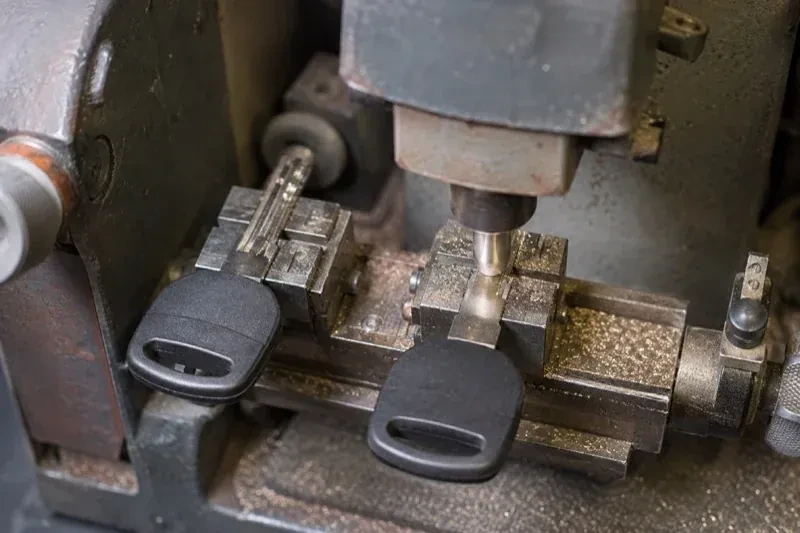
Code-cutting machine
Remote-head key shell
Laser-style milling cutter
Security PIN or secure-data access
Car Key Replacement
What affects the quote
Programming route the car allows
Some vehicles accept a new key through an on-board routine, most through the programming tool, and a few only through a dealer procedure. The route determines the time and the data involved, and the quote says which it is.
Security data for the vehicle
Some cars give up their programming PIN through the tool; others require the code to be retrieved from manufacturer secure data, which involves a registered request. That step is quoted when the VIN shows it applies.
Transponder, remote or proximity
A key with only a chip, a remote-head key with buttons and a full proximity fob are three tiers of hardware and three programming procedures. The quote names which one your car uses.
What to have ready
- Where is the car parked right now, and is it locked?
- Would you like any missing keys erased so they can no longer start the car?
- Has the car's battery been flat or disconnected recently?
Car Key Replacement: questions
QuestionsDoes the car have to be towed to a shop?
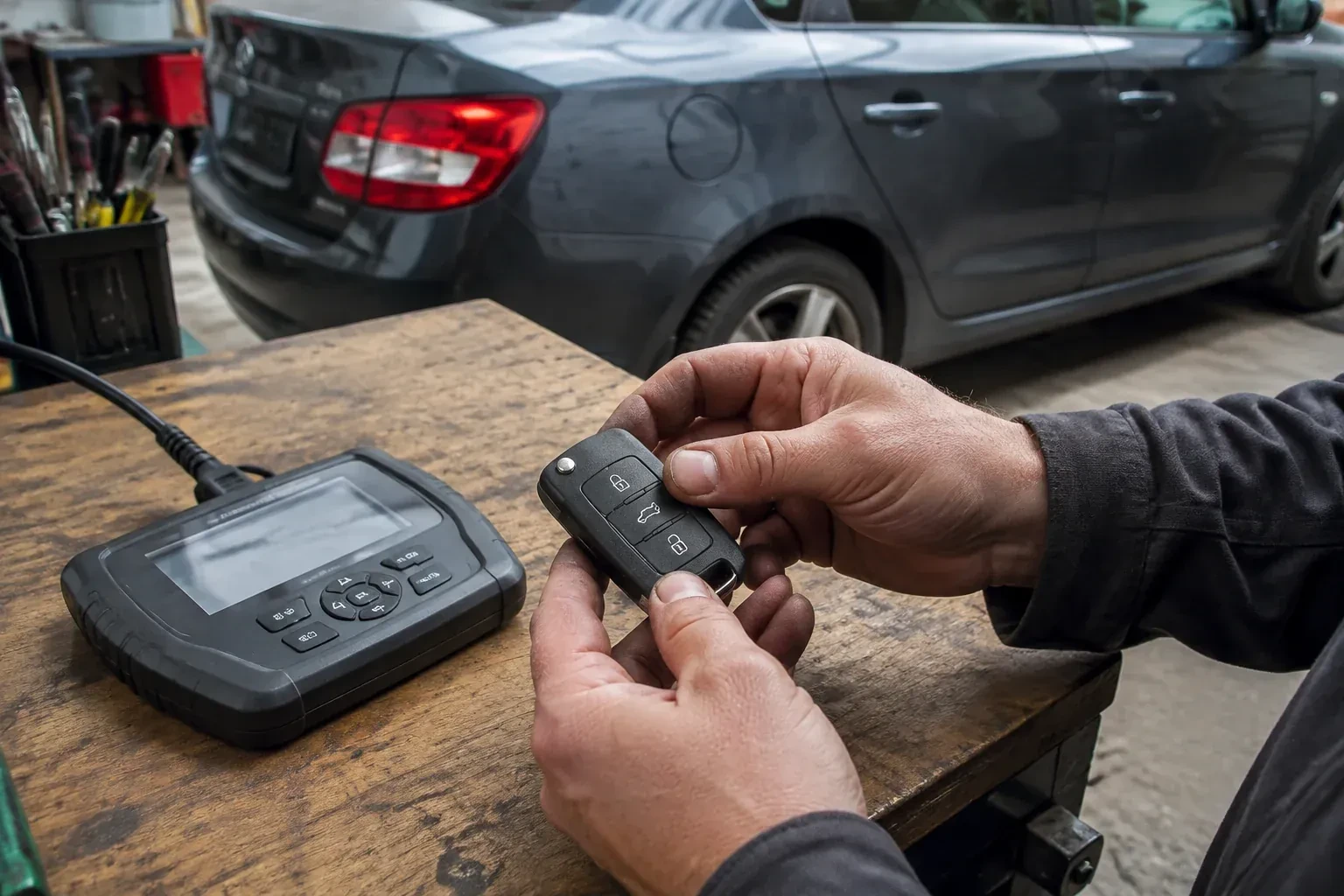
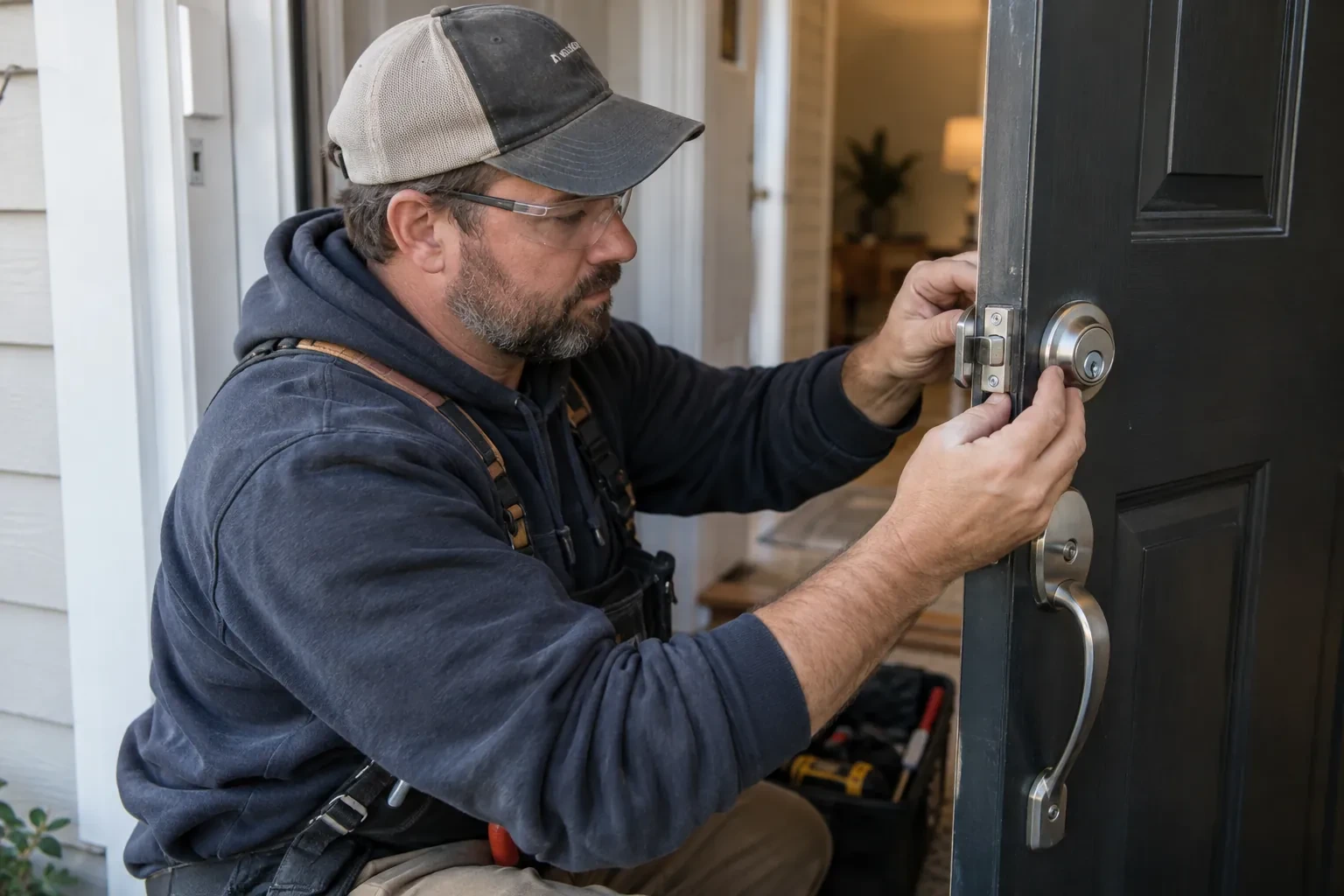
Often not. The cutting machine, blanks and programming tool travel in the van, and the work is done where the car sits: a driveway, a parking garage, the roadside or a workplace lot. The locksmith connects to the diagnostic port under the dash and cuts and programs on the spot. An unsupported or dealer-only system may still need the vehicle to go to a dealer or a suitably equipped shop, which the VIN check flags beforehand.
What is a transponder key, and does my car have one?
A transponder is a small chip in the head of the key with no battery of its own. When the key is in the ignition, or the fob is inside the cabin, the immobilizer sends a signal and the chip answers with a code; if the code is unknown, the engine is prevented from running. Every new light vehicle sold in Canada since September 2007 has been required to have an immobilizer, so almost any car from that time on uses one.
Will I get a written estimate before the work starts?
You should expect one. Consumer rules for motor vehicle repair work in this province call for a written estimate before any charge and for your authorization of the work, and a good locksmith works that way as a matter of course. The estimate names what is being supplied: the blank or fob, the cutting, the programming, any erasing of old keys and the number of keys, so you can see the parts of the job before agreeing.
Related services
- Spare Car Key DuplicationThe proximity fob has ridden in a pocket for years, the range feels shorter than it used to, and a dashboard warning mentioned a battery a while back.
- Key Fob ProgrammingA cracked case or a spin through the wash left the fob unresponsive, and opening it up reveals a slightly corroded board where the buttons used to sit.
- Transponder Key ProgrammingEvery key that ever opened the car is gone at once, one taken with a stolen bag, the spare misplaced months ago and never replaced.