Locksmith in Wellington North, OntarioSecure the frame,not only the lock
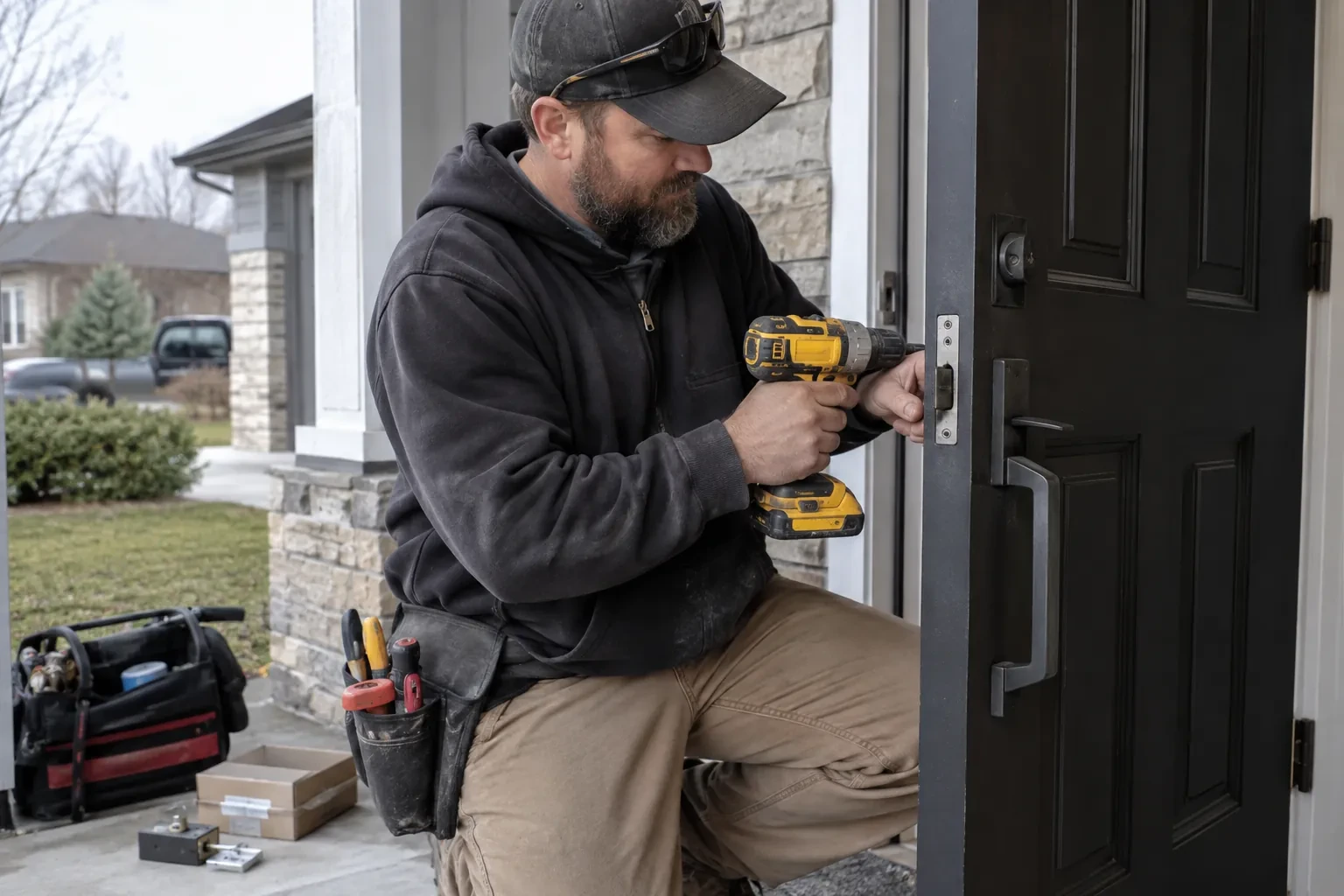
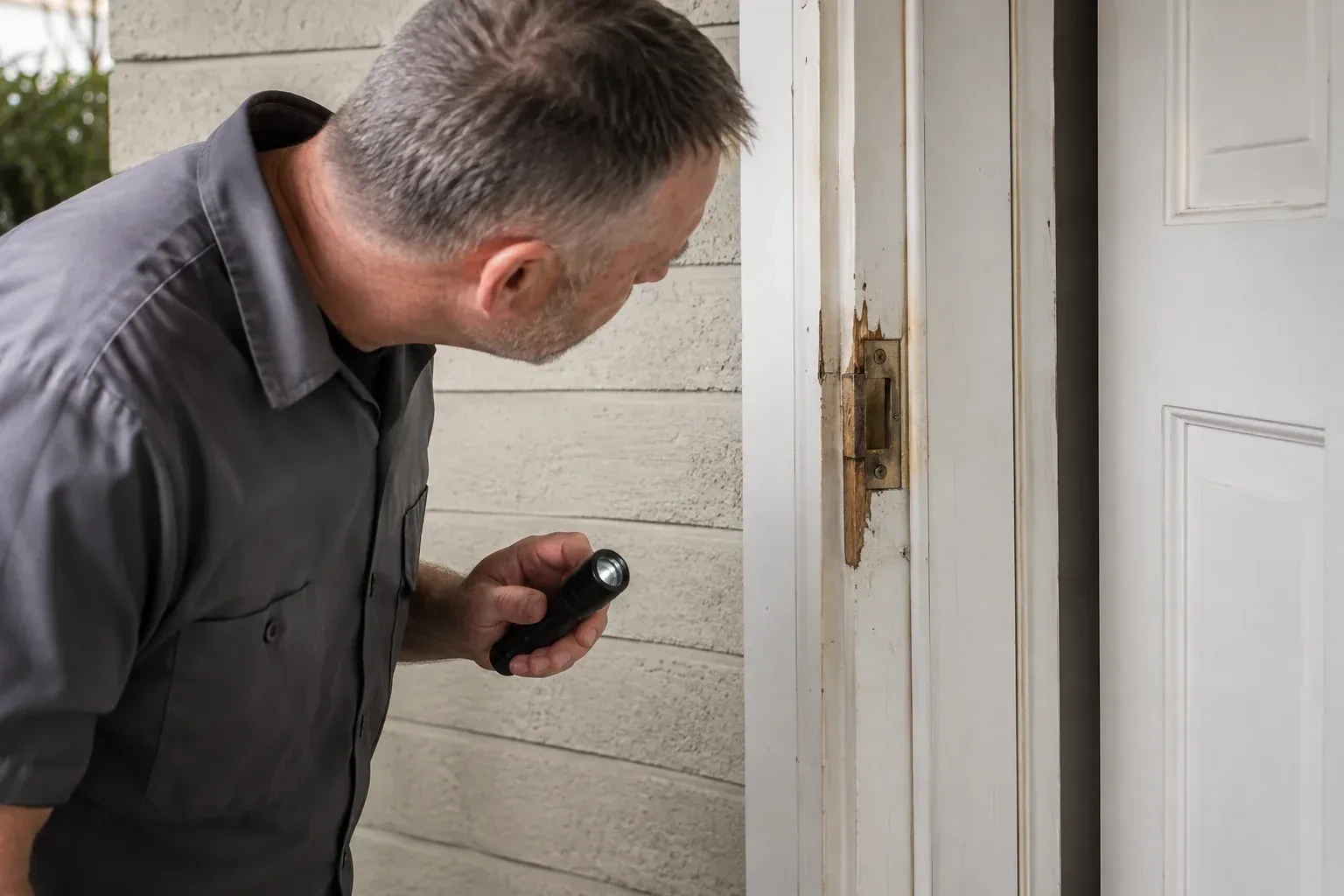
Doors in Wellington North usually give at the frame long before the lock fails. A reinforced strike, longer screws into the stud and a properly set deadbolt do more than a new cylinder alone. We look at the whole door edge, then recommend the upgrade that actually raises the bar. The same crew covers Peepabun, Arthur, Damascus, Derrynane, Gordonville, Green Park and Mount View.
Doors in Wellington North usually give at the frame long before the lock fails. A reinforced strike, longer screws into the stud and a properly set deadbolt do more than a new cylinder alone. We look at the whole door edge, then recommend the upgrade that actually raises the bar. The same crew covers Peepabun, Arthur, Damascus, Derrynane, Gordonville, Green Park and Mount View.
Rekey, repair, replace: whatever the door needs.
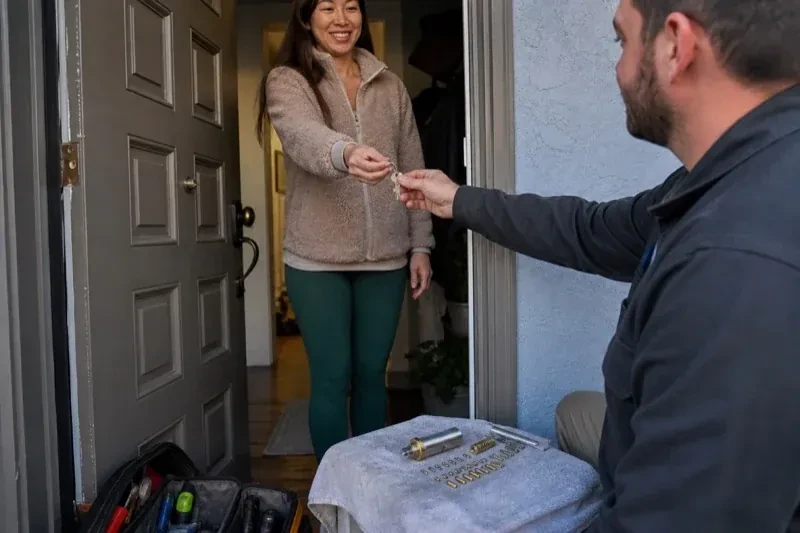
The company covers Wellington North around the clock, and the visit costs the same whenever it happens. The locksmith who arrives at midnight is the same one you would see at midday, with the same stocked van and the same habit of explaining first. A lockout is stressful enough without wondering whether the hour changed anything about the service.
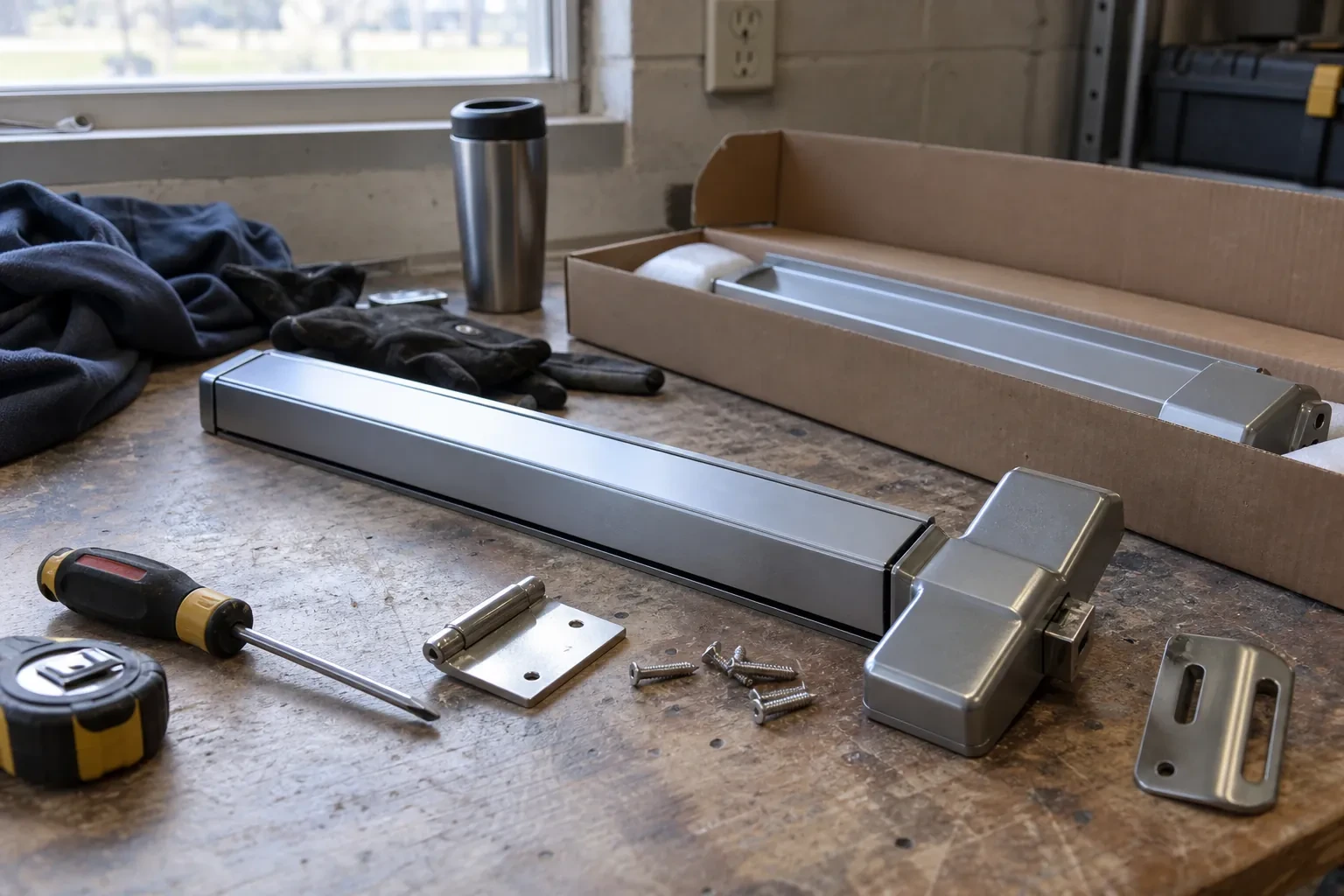
Businesses in Wellington North have their own set of lock questions: who holds keys, what happens at staff turnover and whether the back door really closes. We help shops, offices and small warehouses sort these out with rekeying, key logs, keypads and panic hardware that suits the building. Work can be timed around your hours, and we leave you with a system your team can actually manage.
22years in business
24/7open every day
You set the pace. We explain, you decide, we work. If you would rather sleep on a bigger change, we do what is needed now and leave the rest for another visit.
The reasoning behind each suggestion. Every recommendation comes with the reason for it, in language that does not require you to know the trade. Ask why as often as you like.
Order restored. Tools packed, dust cleared, doors closed properly. We leave your home or business looking as it did, with the lock problem gone.
Residents and business owners in Wellington North can use this list to find the service that fits, then read what it involves before anyone comes out. Emergency openings are here. So are rekeys, lock changes, deadbolt and high-security upgrades, commercial door hardware, master keys, safes and key cutting.
About 56% of homes in Wellington North were built in 1980 or earlier, according to the 2021 Census.
Older homes
Basement and side entries on older homes were often fitted long after the house was built, with whatever lock was on hand. Bringing those doors up to the standard of the front entry, and onto the same key, is a common and satisfying job.
Single-detached houses make up about 75% of homes in Wellington North (2021 Census).
Mostly houses
In areas of single houses, the door nobody watches is the side or back entry. It often has the weakest lock on the property. Fitting a proper deadbolt and a reinforced strike there is a modest job that closes the obvious gap.
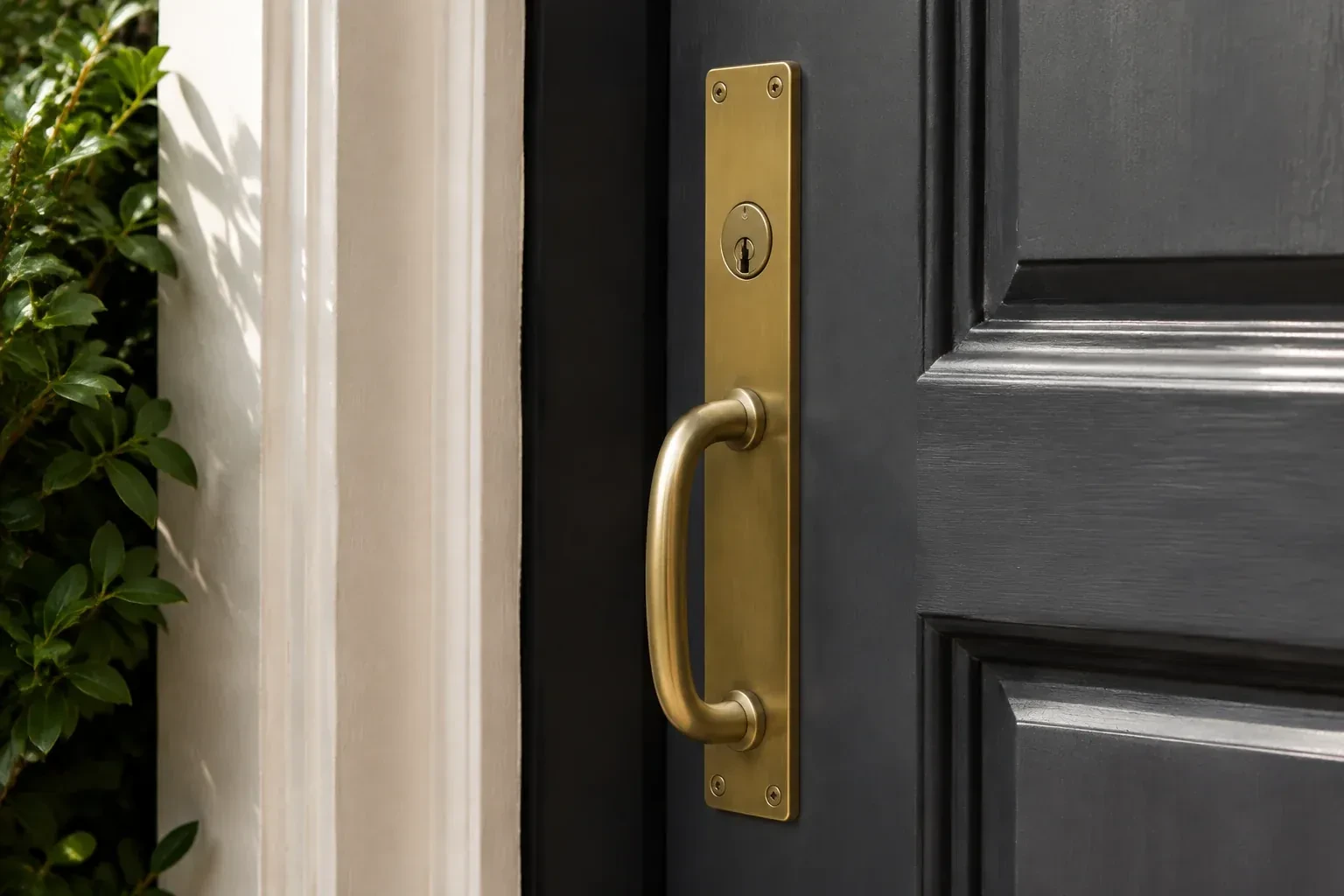
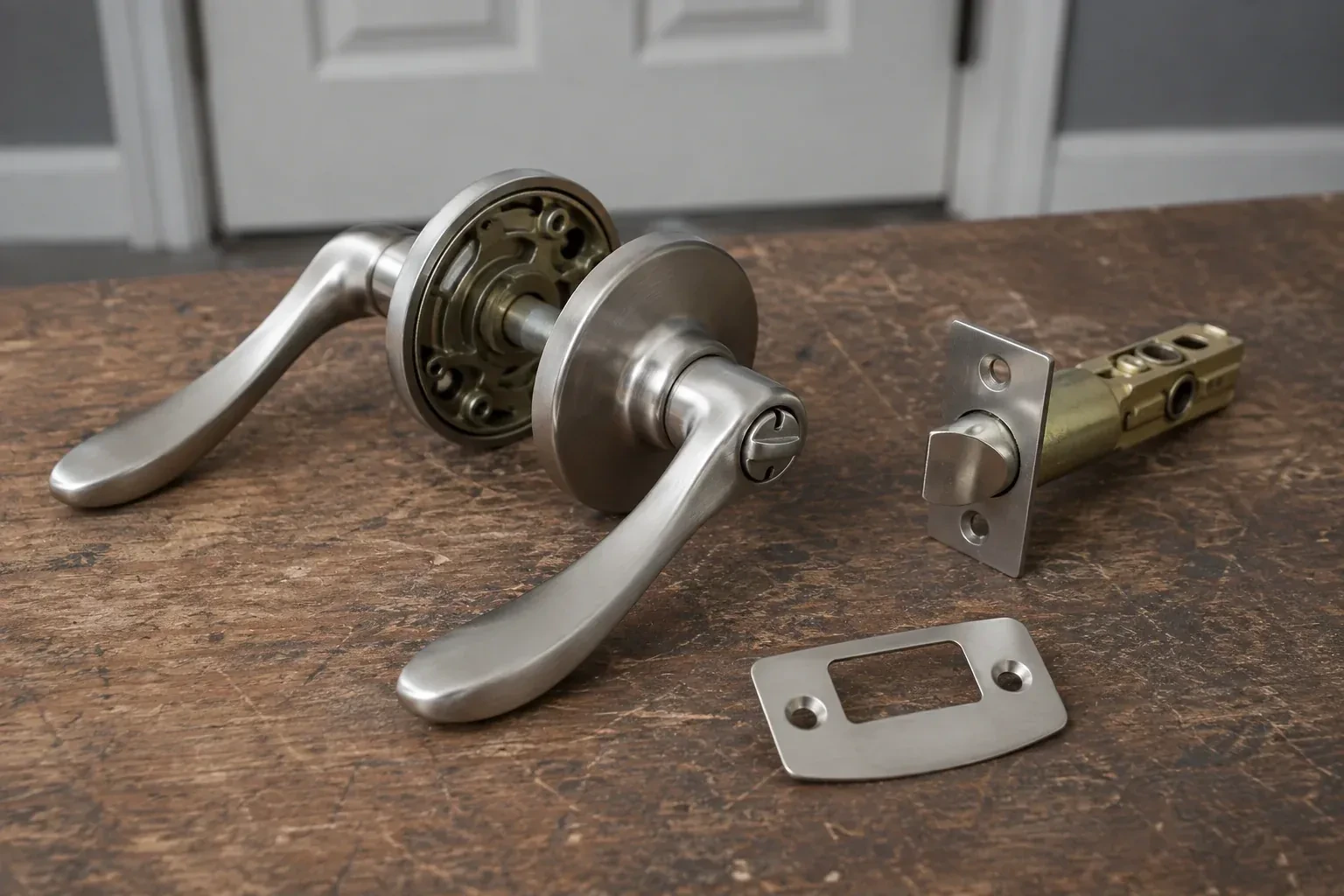
Deadbolts differ in how far the bolt travels, how hard the bolt is, whether the cylinder guard spins free under a wrench and whether the housing shrugs off a hammer. High security deadbolts do well on all four, and we can show you the difference in hand.
The house is fifteen years old and every exterior door still wears the light hardware the builder fitted: a short bolt, a thin strike held by two small screws, and a knob lock that never suited a street entrance.
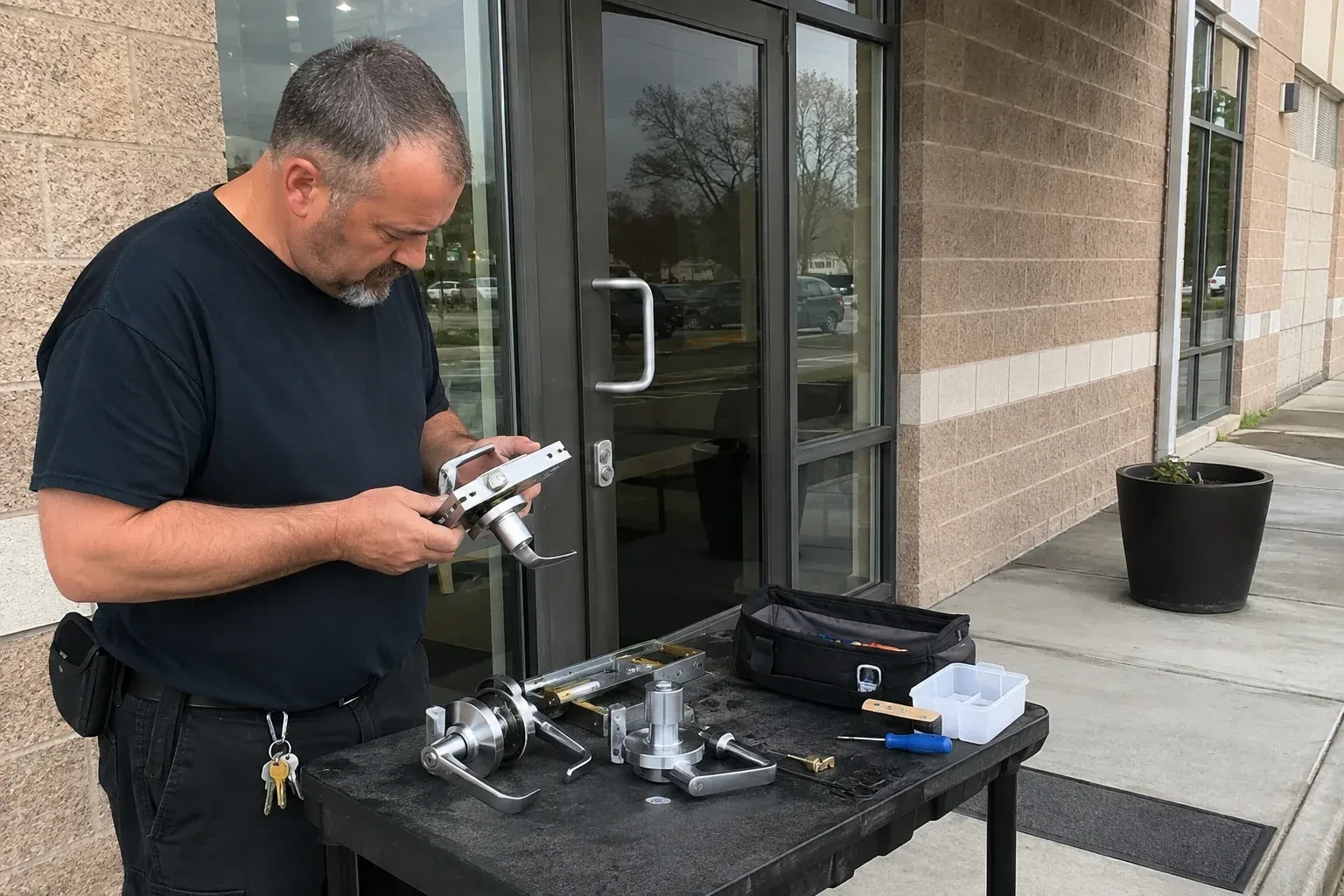
Every commercial door should do three things: open for the right people, stay shut for everyone else, and let people out in a hurry without a key. The services in this group serve those three, and we will say which door falls short on which one.
The pharmacy's drop safe has a keypad that finally lost power for good, and the little override key that was supposed to live behind the counter cannot be found anywhere.
A community group counts the weekend's raffle and bake-sale cash on a kitchen table, then carries it home in a tote bag until the bank opens Monday, because there has never been anywhere safer to leave it.
Which fix fits?
You were shovelling the driveway after dark and the ring must have slid out of your coat pocket somewhere under a metre of snow.
WhyMoving into a home is the classic moment for this service, because you inherit whatever hardware and whatever key copies the previous owners left behind.
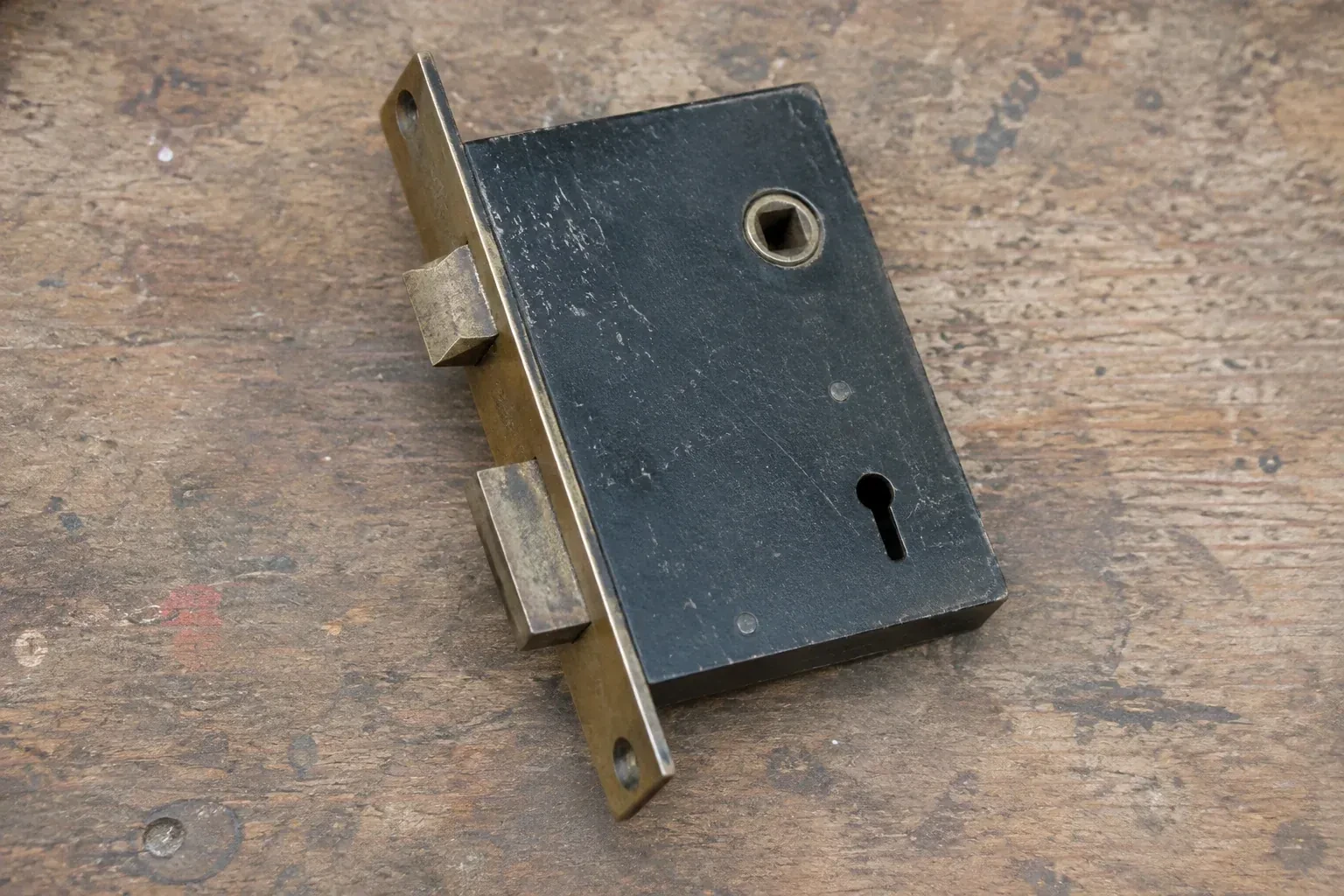
The old skeleton key still fits the keyhole, but it now needs a jiggle, a lean on the door and a little luck before the bolt moves.
You were shovelling the driveway after dark and the ring must have slid out of your coat pocket somewhere under a metre of snow. You have raked the whole bank with a flashlight. It will turn up in April, and you would rather not wait.
Every copy of your house key seems to work a little differently. One needs a jiggle, another sticks halfway, and the original wore down years ago. The lock itself is fine; the keys have drifted so far from each other that none fits cleanly.
Someone tried the back door while you were away. The jamb is splintered around the strike, the bolt is bent, and the knob turns with a grinding feel. Everything held, barely, and you want hardware that would do better next time.
The old skeleton key still fits the keyhole, but it now needs a jiggle, a lean on the door and a little luck before the bolt moves. Last week it took three tries. You have one key and no idea where a second could come from.
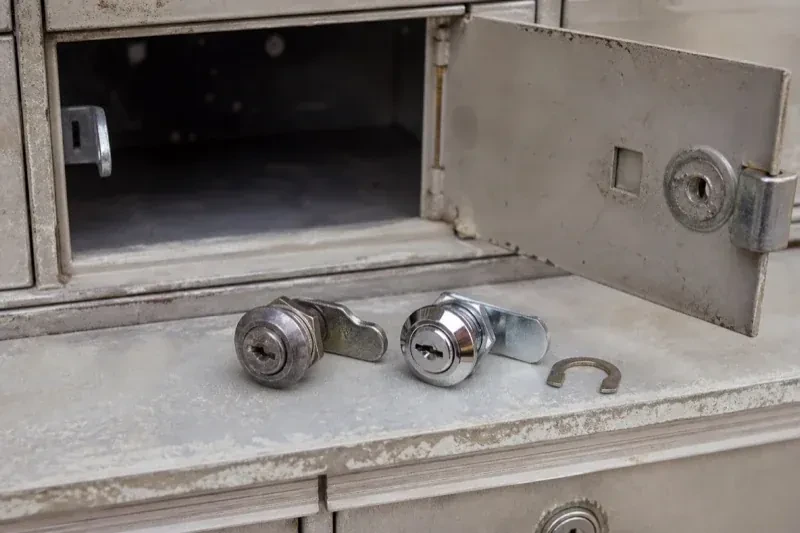
After a winter of road spray and salt, the little lock on the mailbox door has gone stiff, then gritty, then almost immovable. Rust has crept in around the keyway, and the key barely turns anymore no matter how it is worked.
After the attempted break-in the police officer pointed at your door and said the strike plate was held by two short screws. Nobody got in, but you have looked at that door differently every evening since.
The manager's key ring went missing somewhere between the bank and the car, and the master on it opened every door in the building. Until the cylinders are changed, whoever finds it is holding the run of the place.
The rental van came with one key. It went into the door lock, turned partway, and snapped, leaving half the blade in the cylinder and the other half in your hand. The delivery is due, the van is locked, and the rental desk is an hour away.
The key slides in fine and turns without any resistance at all, and the dash lights flicker, but nothing catches. No click, no crank, just a key spinning loosely in a slot that used to grab hold of it properly.
Count the people who genuinely need one and add one for a known spare location: each adult, a teenager, a caregiver or regular sitter, the neighbour who checks the house, the landlord if you rent. Keys are cut on site, so the number is easy to settle during the visit. Fewer keys with names attached is the point; another can always be cut later from the code.
What happens to my old keys?
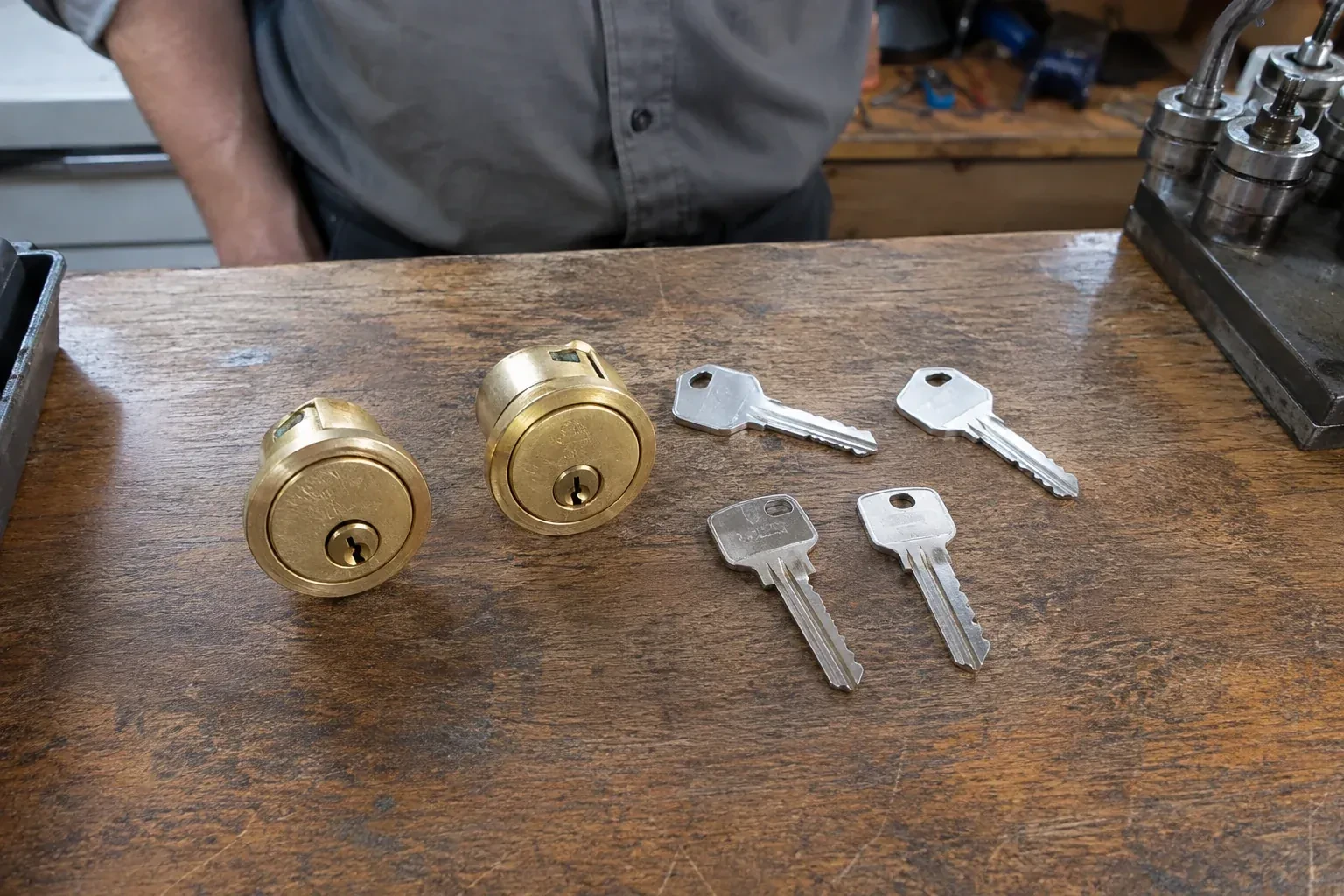
They become ordinary pieces of brass. Once the cylinders are pinned to the new combination, the old keys turn nothing on your property, so there is no security reason to keep or hide them. Hand them to the locksmith for disposal or drop them in the metal recycling. If a former roommate or contractor still has one, it no longer matters, which is the whole reason for the visit. Keep only the new set, counted and tagged.
What is a reinforced strike, and is it worth adding?
A standard strike is a thin plate held by two short screws in the jamb, and the jamb is what splits when a door is forced. A reinforced strike or strike box is heavier and is fixed with long screws that pass through the jamb into the framing, spreading the load into the structure. It is one of the most effective upgrades on any exterior door and is usually fitted as part of a deadbolt replacement.
How should I look after the lock once it is serviced?
A drop of the right lock oil into the latch and bolt once a year is plenty. If the lock has a pin-tumbler cylinder, use whatever lubricant that cylinder's maker specifies, since some take a dry graphite or PTFE product and others a specified liquid one. Try the latch and deadbolt each spring and fall; if the bolt starts to scrape, the strike wants a small adjustment before anything is strained. Keep bit keys out of a pocket where they bend.
Is it common for a previous owner or tenant to keep a mailbox key?
It happens more often than people expect, especially in a building where compartments changed hands with a single set of keys and no clear record of who returned what. Replacing the lock rather than simply asking around settles it, since a new cylinder makes any key still out there, regardless of who holds it, stop working.
Will the new cylinder fit my existing locks?
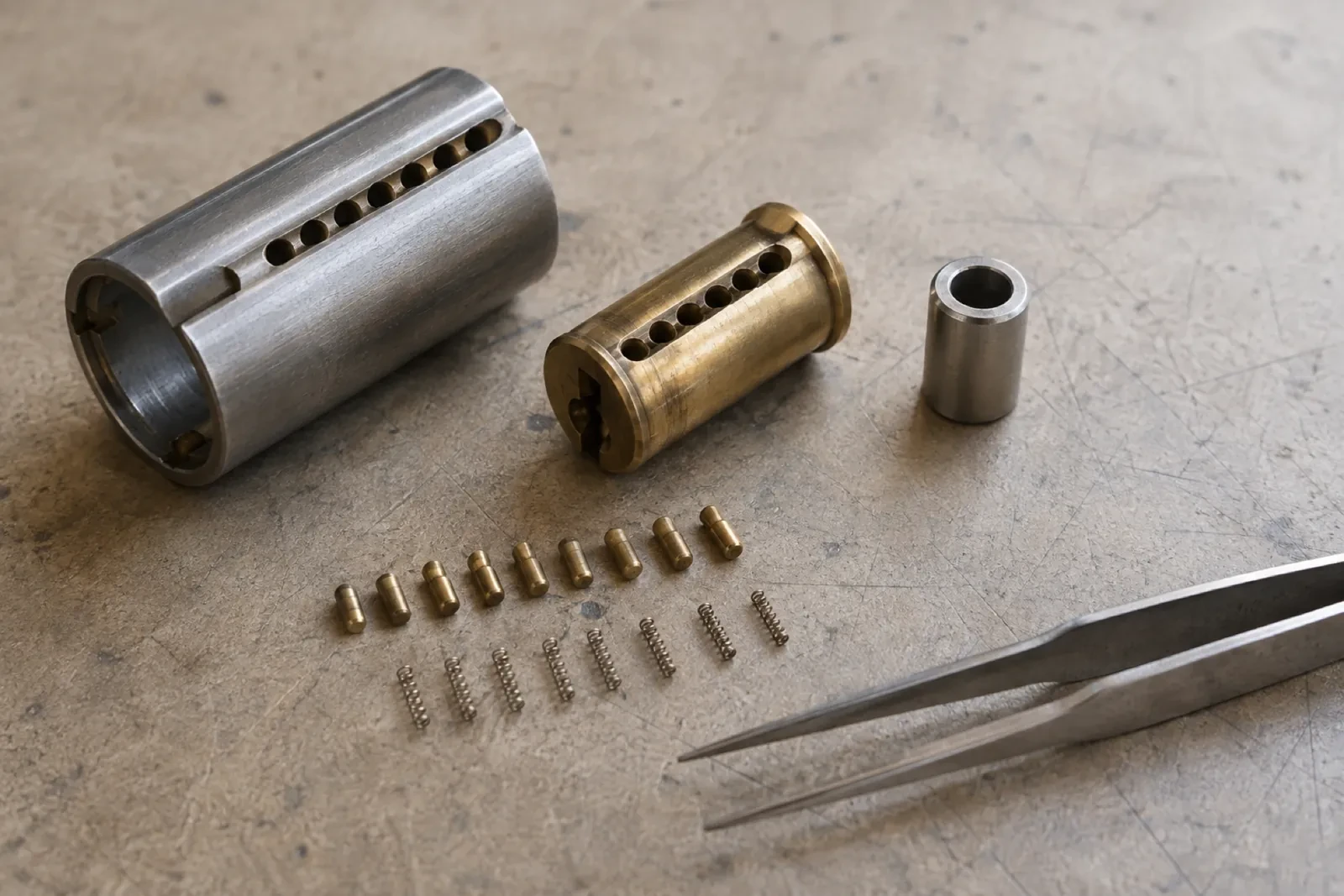
Usually. High security cylinders are made in the common formats: key-in-knob and lever, rim, mortise and interchangeable core, and many are designed to drop into popular residential and commercial locks. The locksmith identifies your format and confirms fit before ordering. Where a lock is an odd size or in poor shape, a matching lock body is fitted instead, and the door preparation is reused wherever it is standard.
How often should a business change its keys as a matter of routine?
There is no fixed interval. Rekey on events rather than on a calendar: a key not returned, a lease change, a break-in, a renovation crew finished, or a key count that no longer matches the register. Businesses with a good register and a restricted keyway often go years between rekeys because nothing prompts one. A yearly check of the register against the keys on the hook is the habit that tells you when the time has come.
The alarm went off. Is that a problem?
It is expected. Opening a door without the fob or key wakes most factory alarms, and quieting them is part of finishing the job: a turn of the key in the door or ignition, or a press of the fob once the car has power, usually does it. An aftermarket alarm is reset from its own valet switch. The locksmith stays until the car is quiet and every lock has been cycled.
My key is stuck in the ignition and won't come out. Is that a problem?
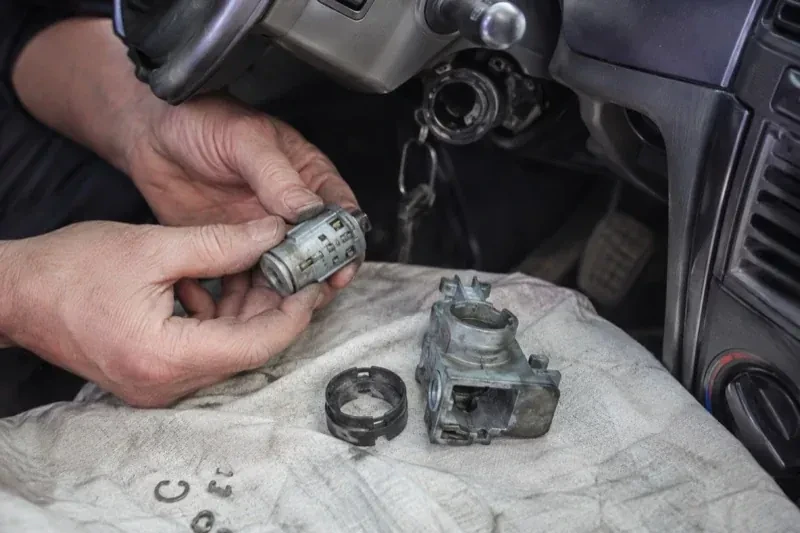
It is mostly inconvenient rather than urgent, though it is worth having looked at soon since a stuck key often means a wafer or the steering-lock mechanism is not releasing the way it should. Forcing it risks snapping the key or damaging the barrel further, so the safer route is to leave it be and have the mechanism assessed and freed properly.
Request a visit
The company covers Wellington North around the clock, and the visit costs the same whenever it happens. The locksmith who arrives at midnight is the same one you would see at midday, with the same stocked van and the same habit of explaining first. A lockout is stressful enough without wondering whether the hour changed anything about the service.