Locksmith in Centre Wellington, OntarioMoving out?Hand over a clean slate.
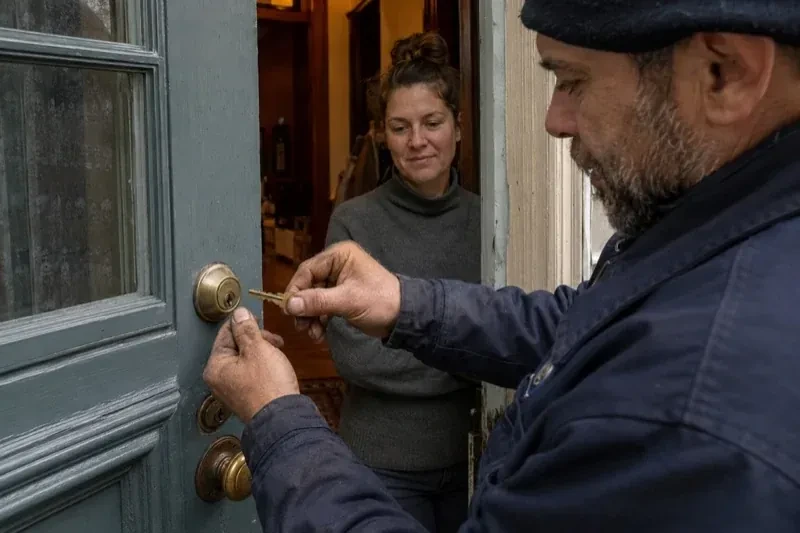
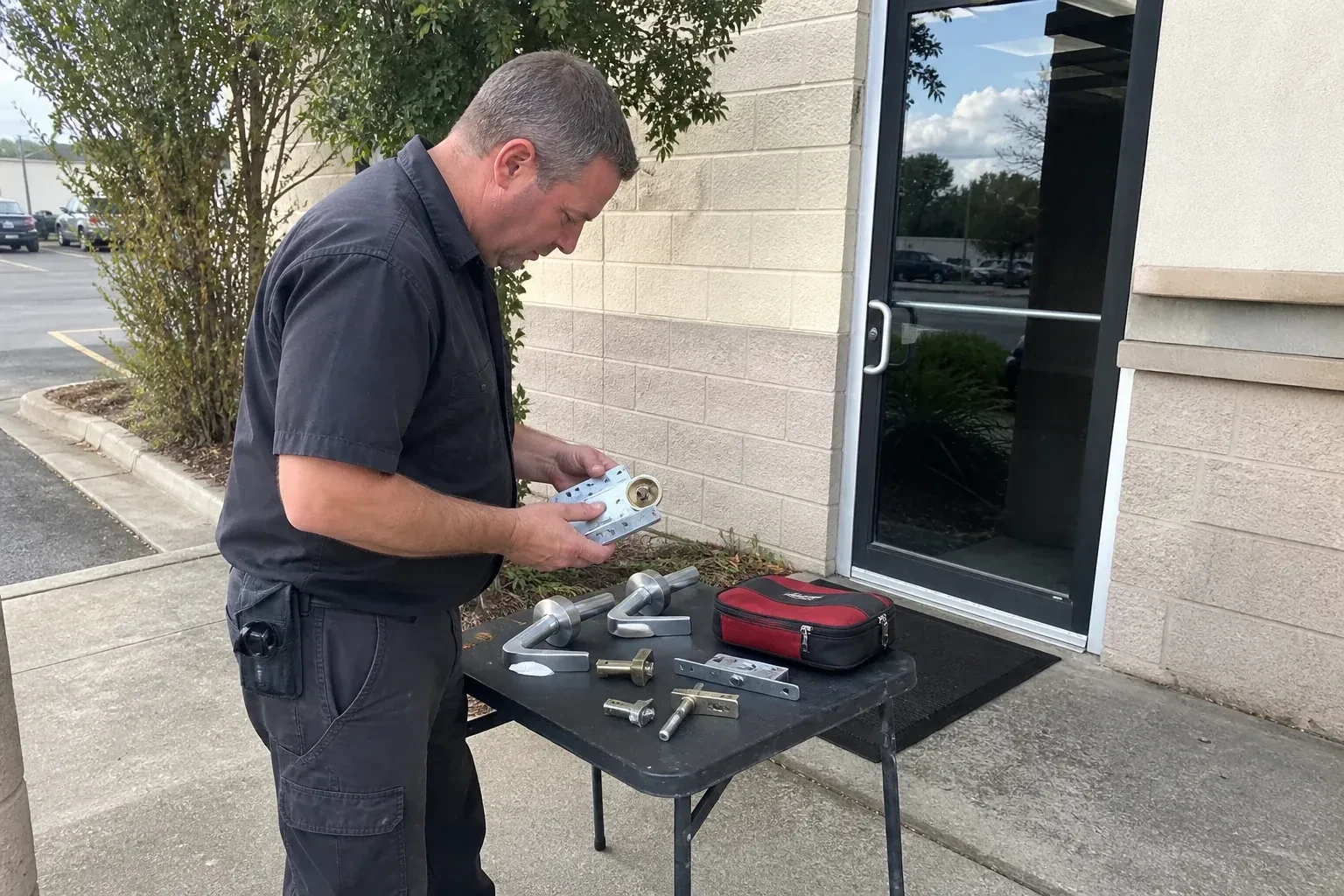
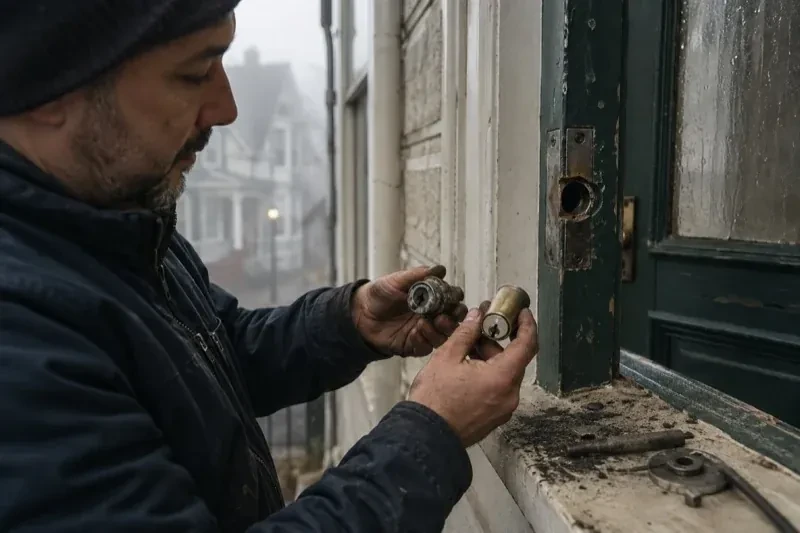
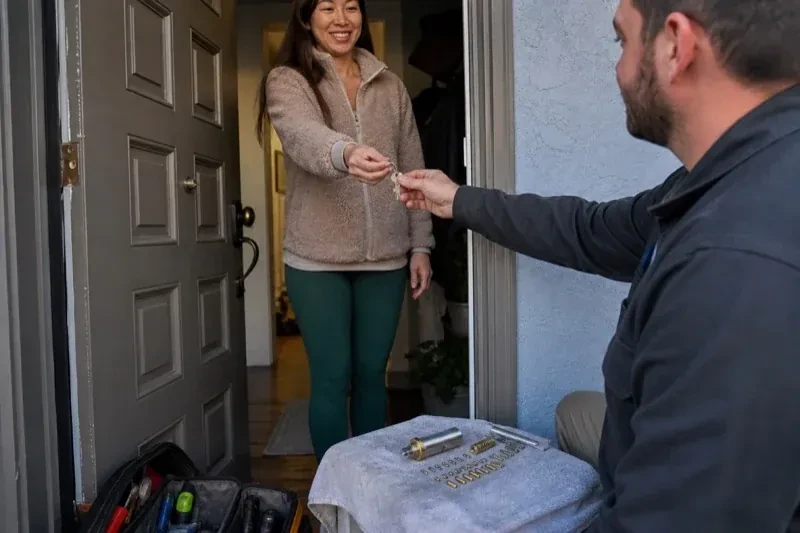
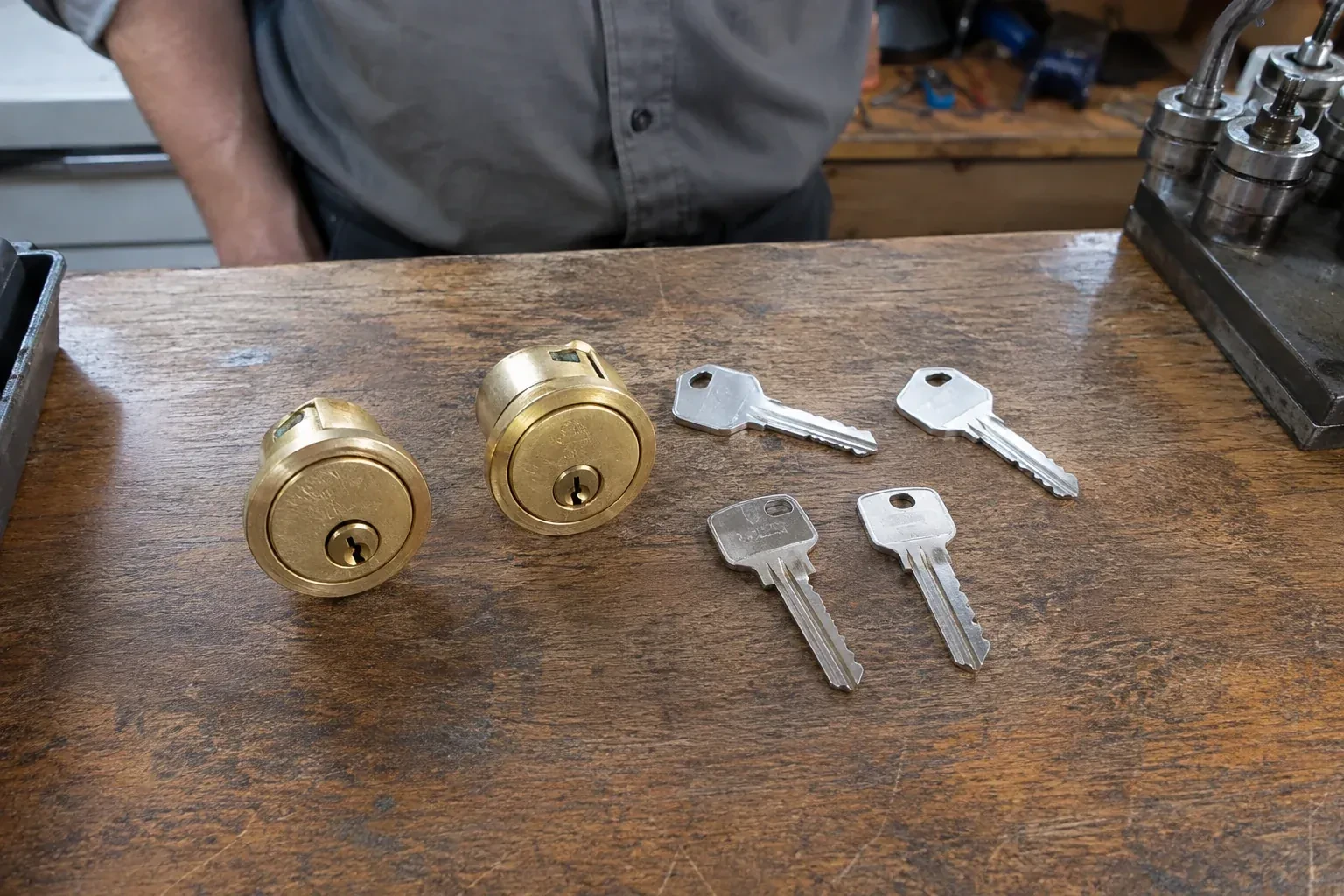
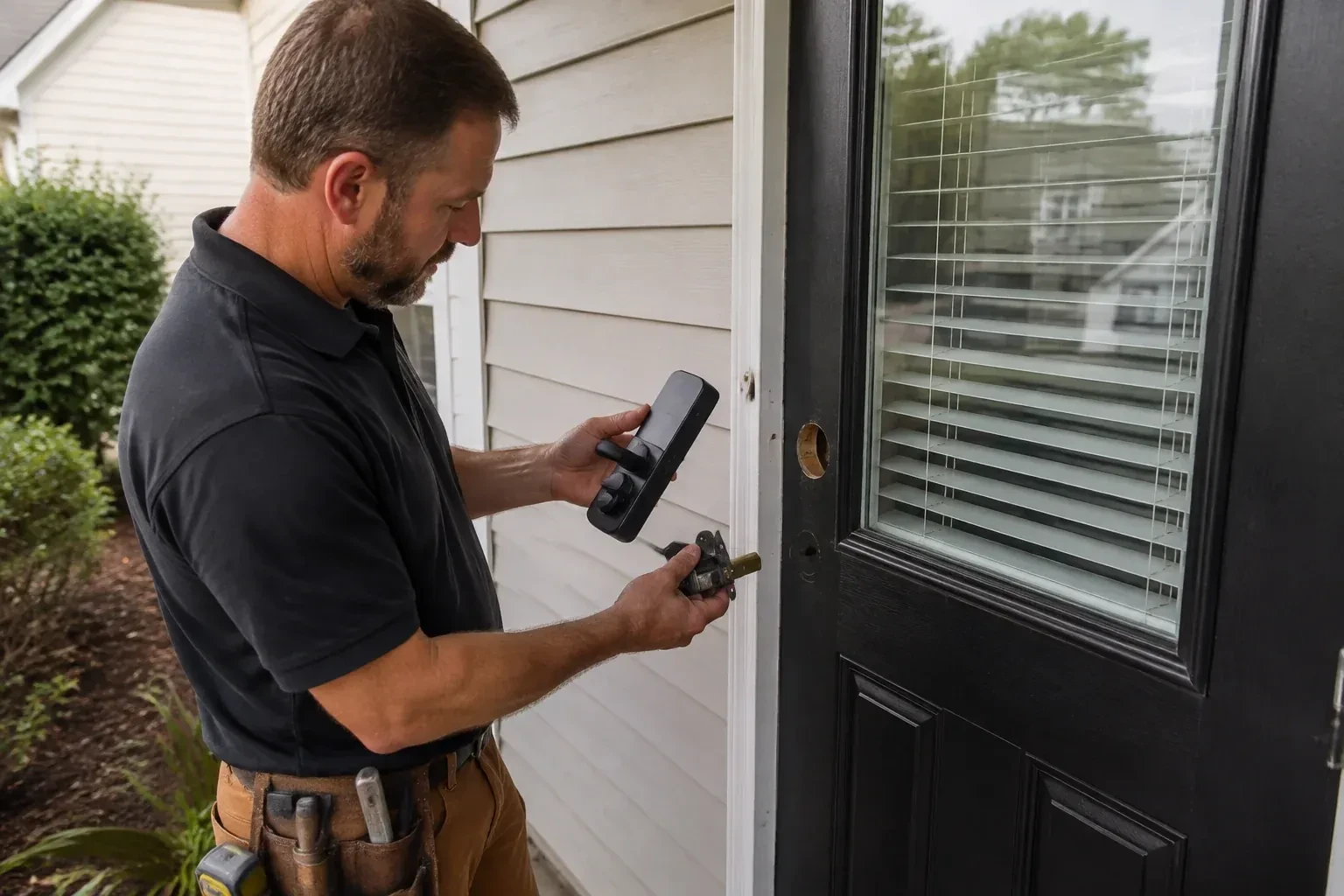
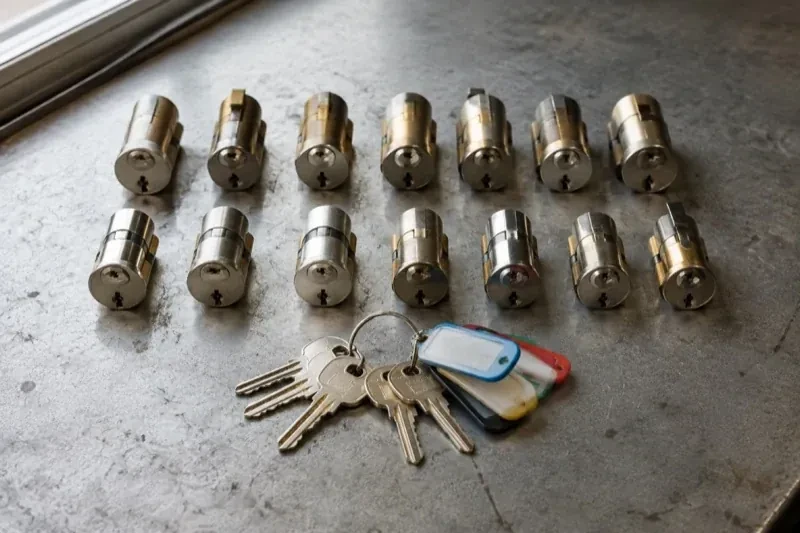
Selling or handing back a property in Centre Wellington goes more smoothly when the locks are fresh and every key accounted for. We rekey the exterior doors, gather the old keys, cut the set the next people will need, and give you a short written record to pass along with the paperwork. Calls from Craigsholme, Hereward, Orton, Belwood, Dracon, Ennotville, Fergus, Living Springs, Oustic, Ponsonby, Shands, Shiloh, Simpson Corners, Mimosa, Birge Mills, Speedside and Metz are covered too.
Selling or handing back a property in Centre Wellington goes more smoothly when the locks are fresh and every key accounted for. We rekey the exterior doors, gather the old keys, cut the set the next people will need, and give you a short written record to pass along with the paperwork. Calls from Craigsholme, Hereward, Orton, Belwood, Dracon, Ennotville, Fergus, Living Springs, Oustic, Ponsonby, Shands, Shiloh, Simpson Corners, Mimosa, Birge Mills, Speedside and Metz are covered too.
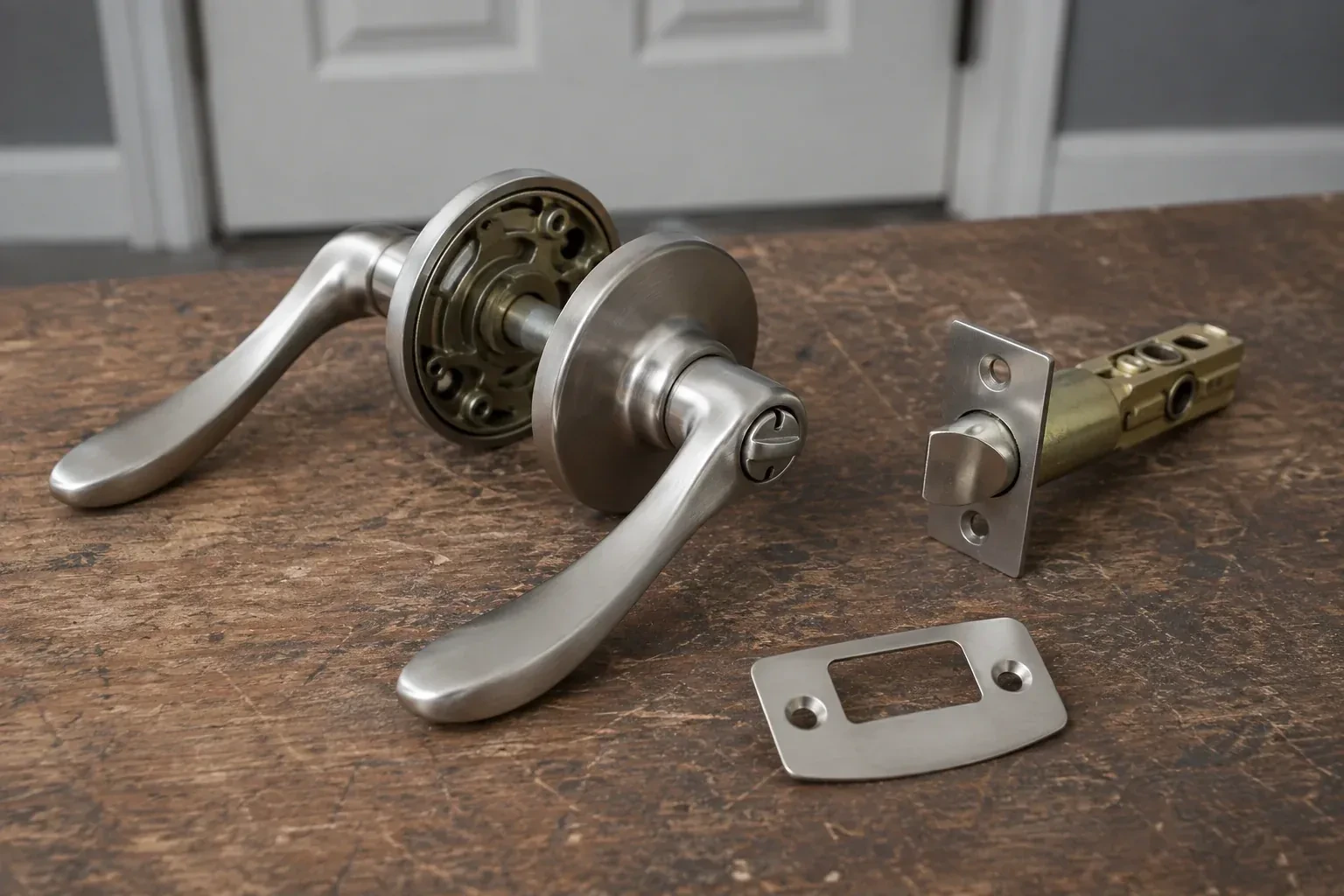
Rekey, repair, replace: whatever the door needs.
Winter is part of how we work in Centre Wellington. Doors swell and shrink, frames shift, keys snap in cold cylinders, and salt finds its way into hardware. We choose lubricants that stay fluid in the cold, set strikes with the seasons in mind, and show you the small habit that stops a key from freezing in the lock.
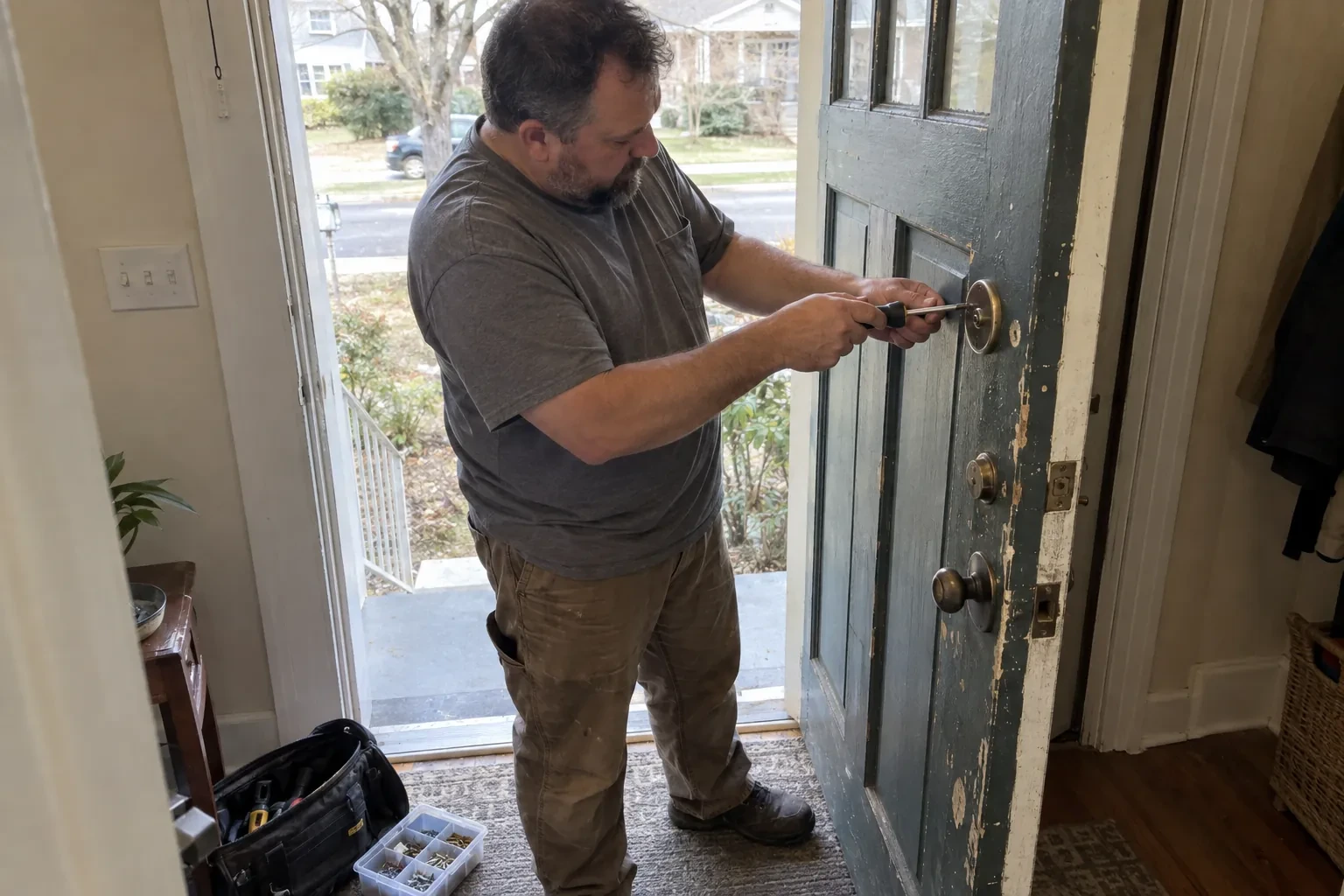
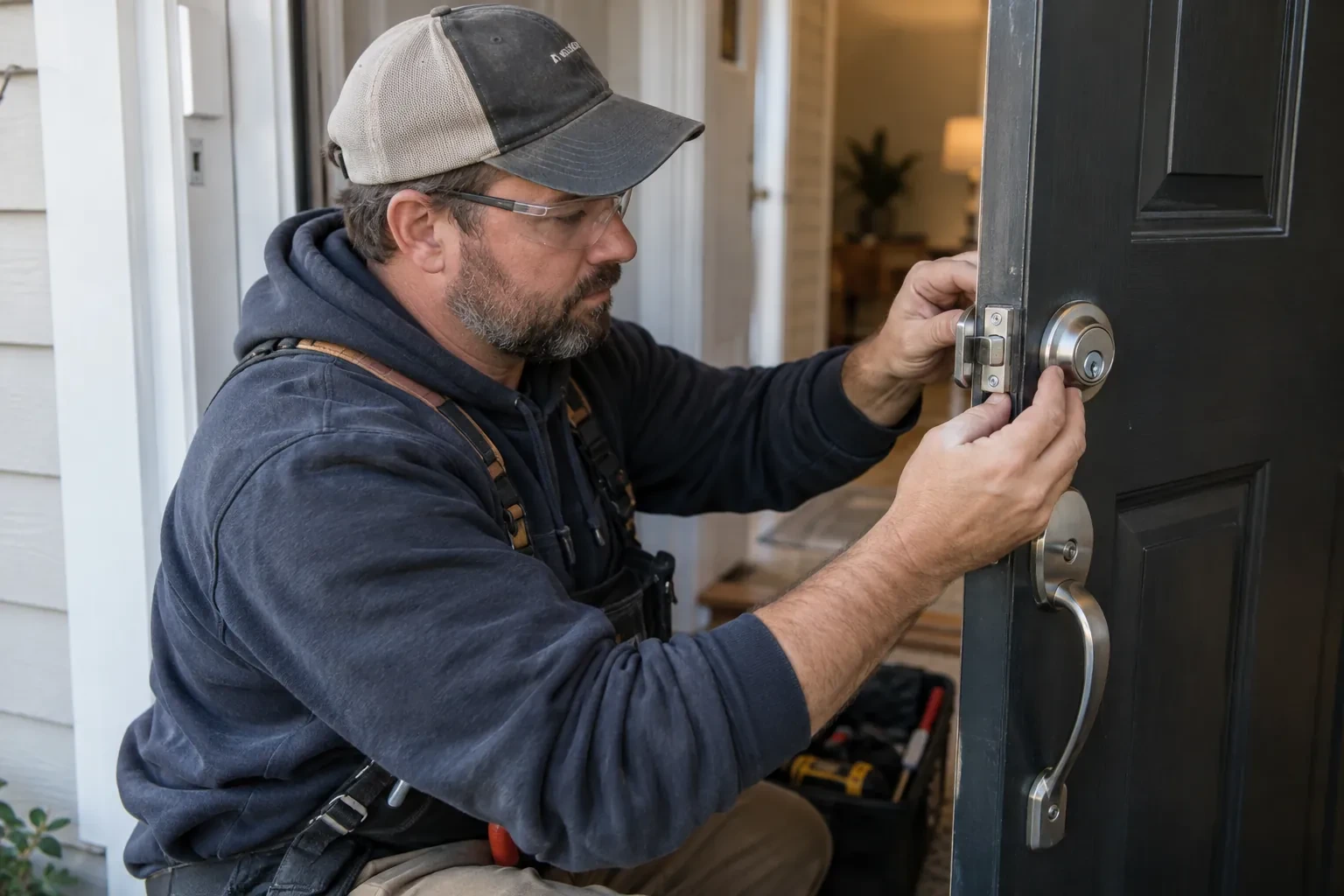
Every locksmith visit in Centre Wellington begins with a conversation. What is the door doing? Who else has a key? What would you like to be true afterwards? Those answers tell us whether to rekey, repair, replace or simply adjust, and they mean the technician arrives with the right cylinders, blanks and tools rather than a guess.
22years in business
24/7open every day
You set the pace. We explain, you decide, we work. If you would rather sleep on a bigger change, we do what is needed now and leave the rest for another visit.
The reasoning behind each suggestion. Every recommendation comes with the reason for it, in language that does not require you to know the trade. Ask why as often as you like.
Order restored. Tools packed, dust cleared, doors closed properly. We leave your home or business looking as it did, with the lock problem gone.
Arrange a visit to your Centre Wellington storefront
The pages that follow describe the lock services offered in Centre Wellington one by one, without sales talk. Where a service has a simpler or less involved cousin, the page says so. Where a repair will do instead of a replacement, the page says that too. The aim is for you to choose well, not to choose more.
About 41% of homes in Centre Wellington were built in 1980 or earlier, according to the 2021 Census.
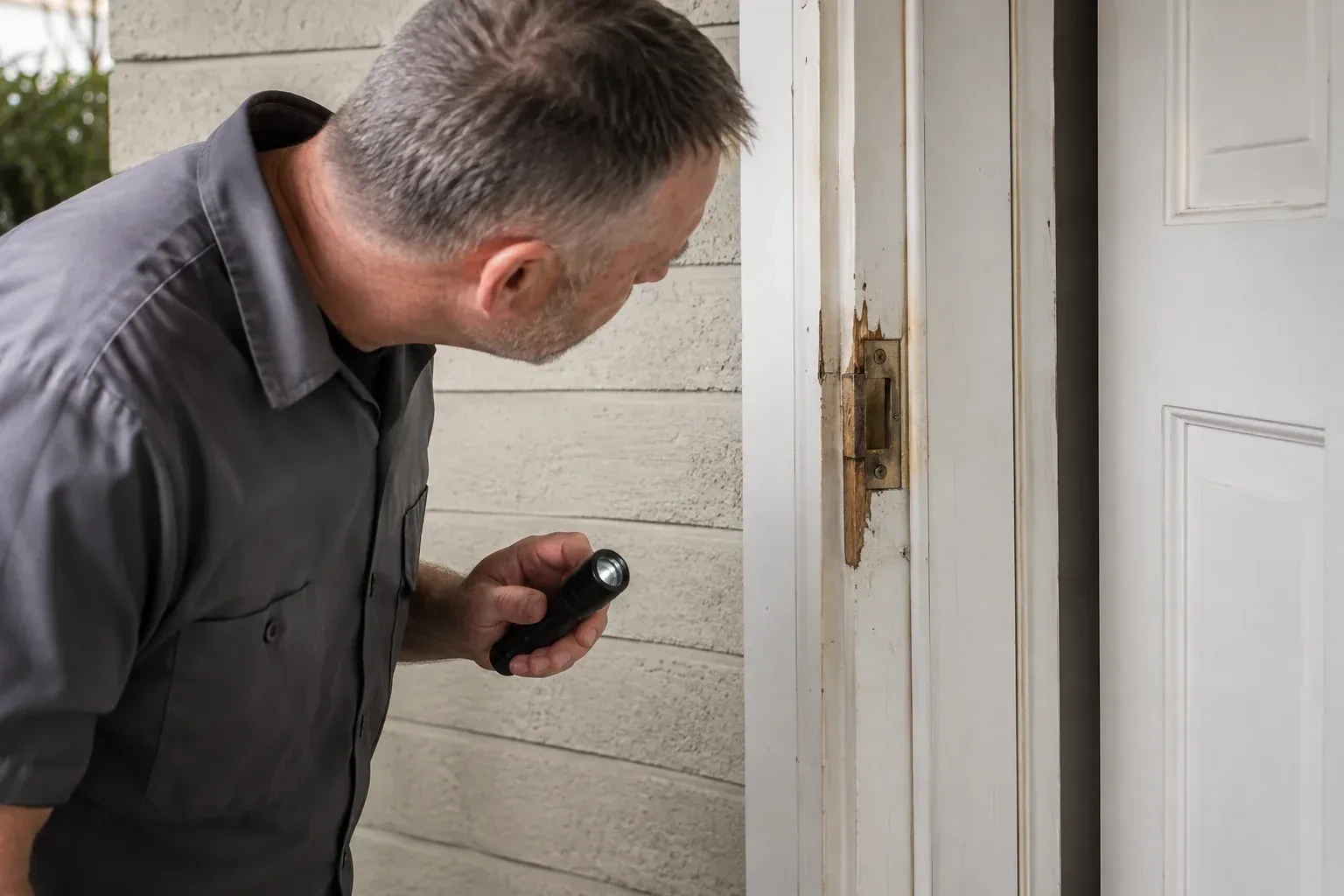
Where housing is mixed, doors that have been replaced sit beside doors that never were. A new door in an old frame, or an old door in a repaired frame, needs its strike and hinges checked together so the whole assembly works as one.
Single-detached houses make up about 73% of homes in Centre Wellington (2021 Census).
Mostly houses
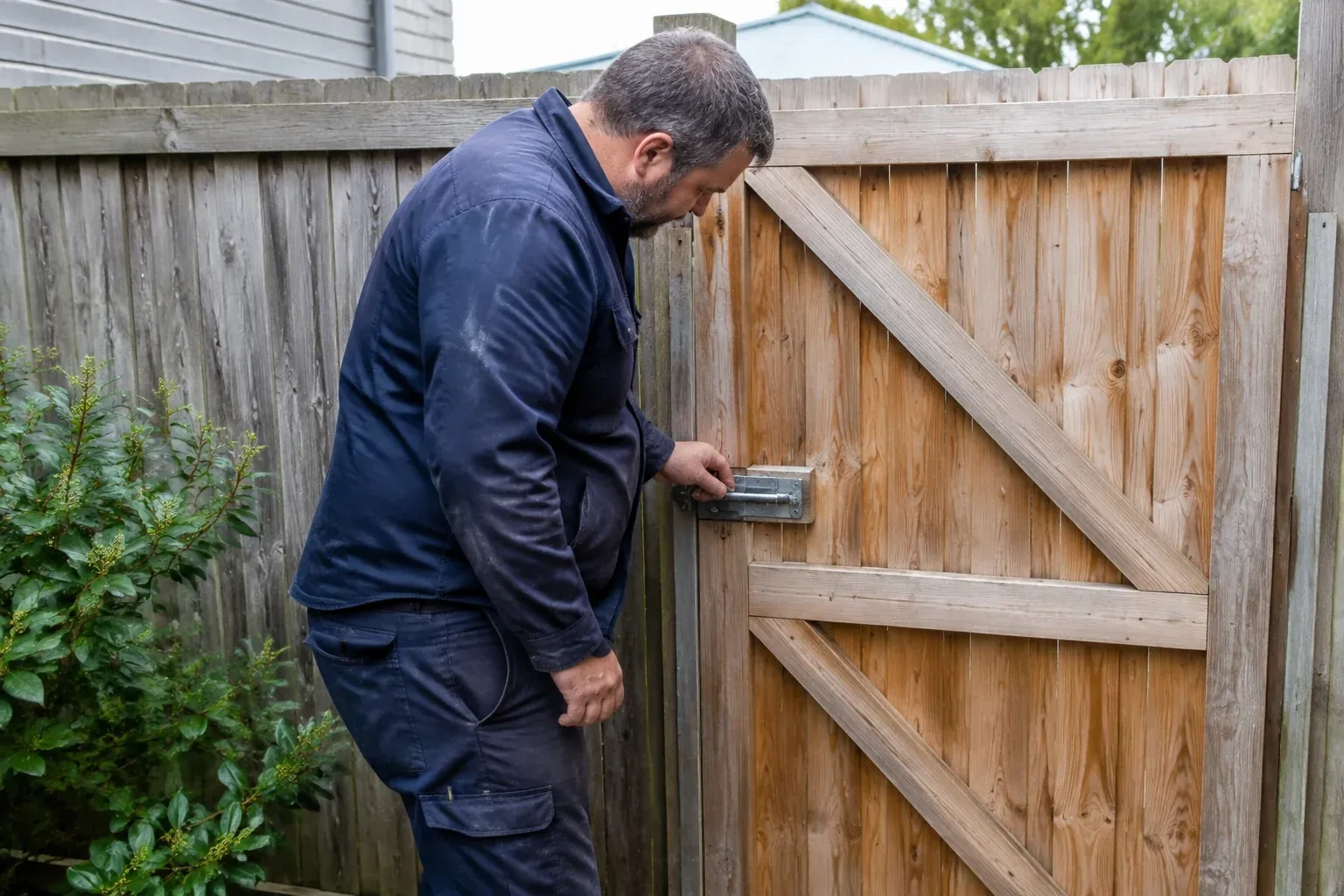
Detached houses have their own garages, sheds and gates, and each tends to carry a lock chosen on the day it was needed. A locksmith visiting such a home looks at all of them, not just the front door, and brings the whole property up to one standard.
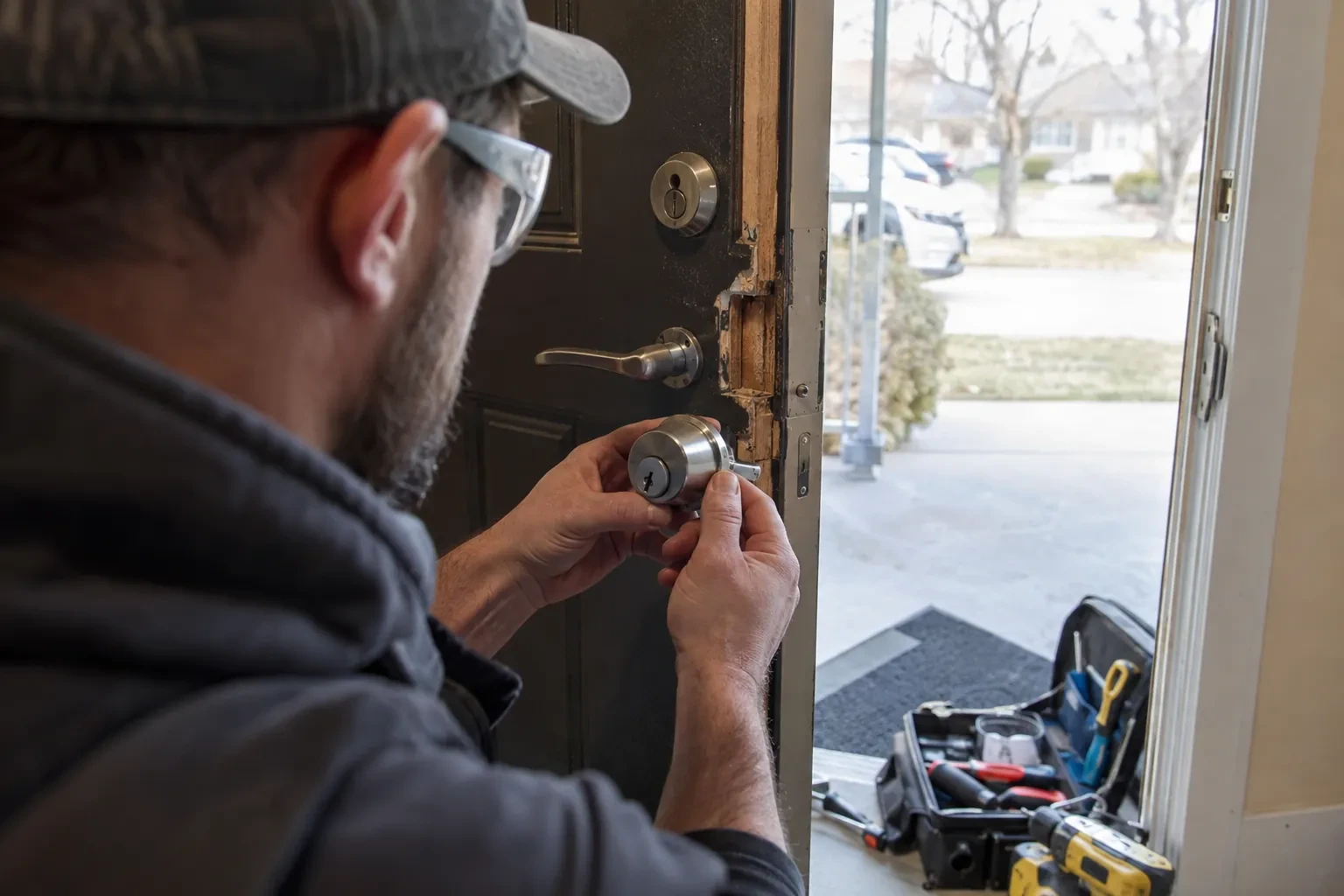
Deadbolts differ in how far the bolt travels, how hard the bolt is, whether the cylinder guard spins free under a wrench and whether the housing shrugs off a hammer. High security deadbolts do well on all four, and we can show you the difference in hand.
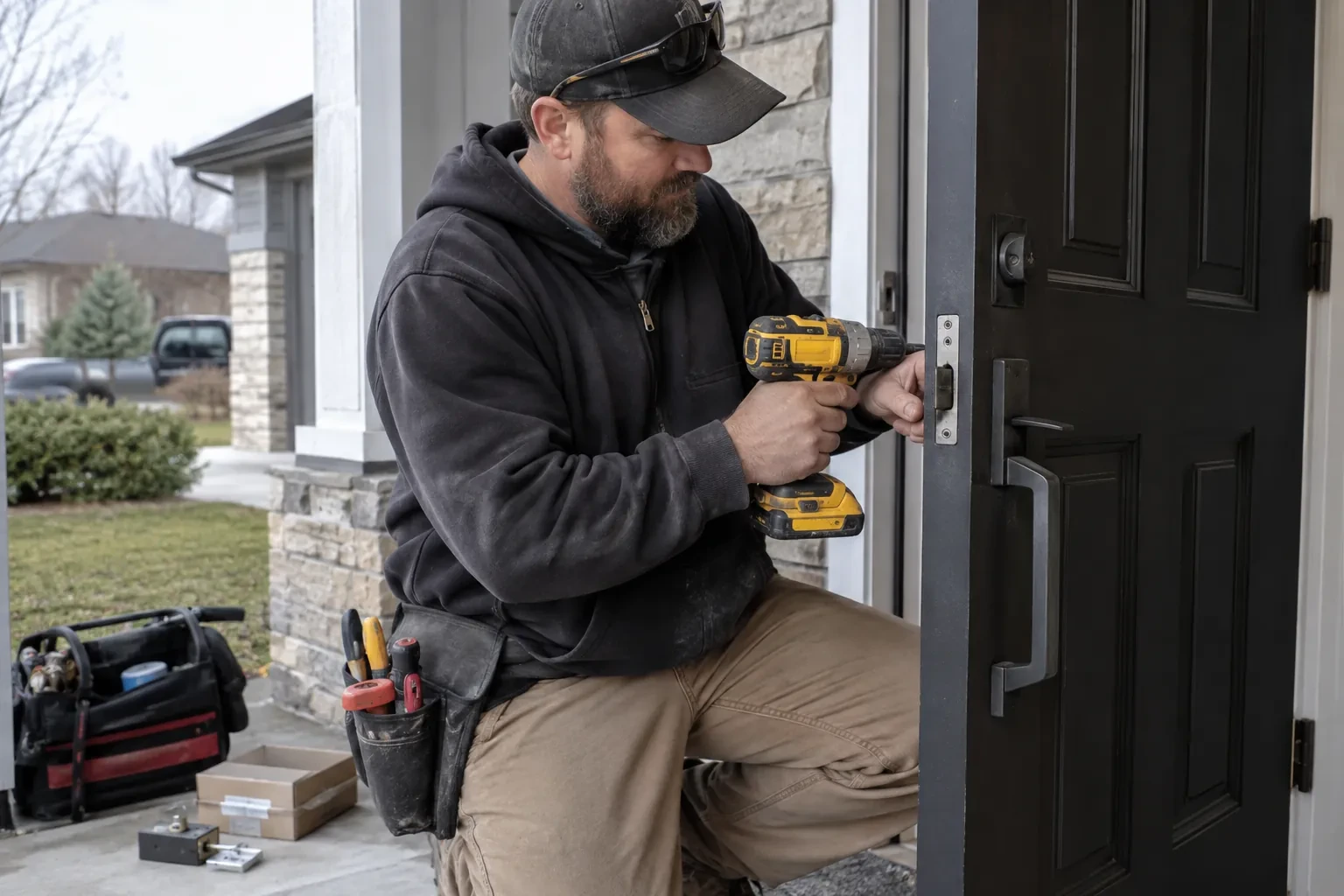
The house is fifteen years old and every exterior door still wears the light hardware the builder fitted: a short bolt, a thin strike held by two small screws, and a knob lock that never suited a street entrance.
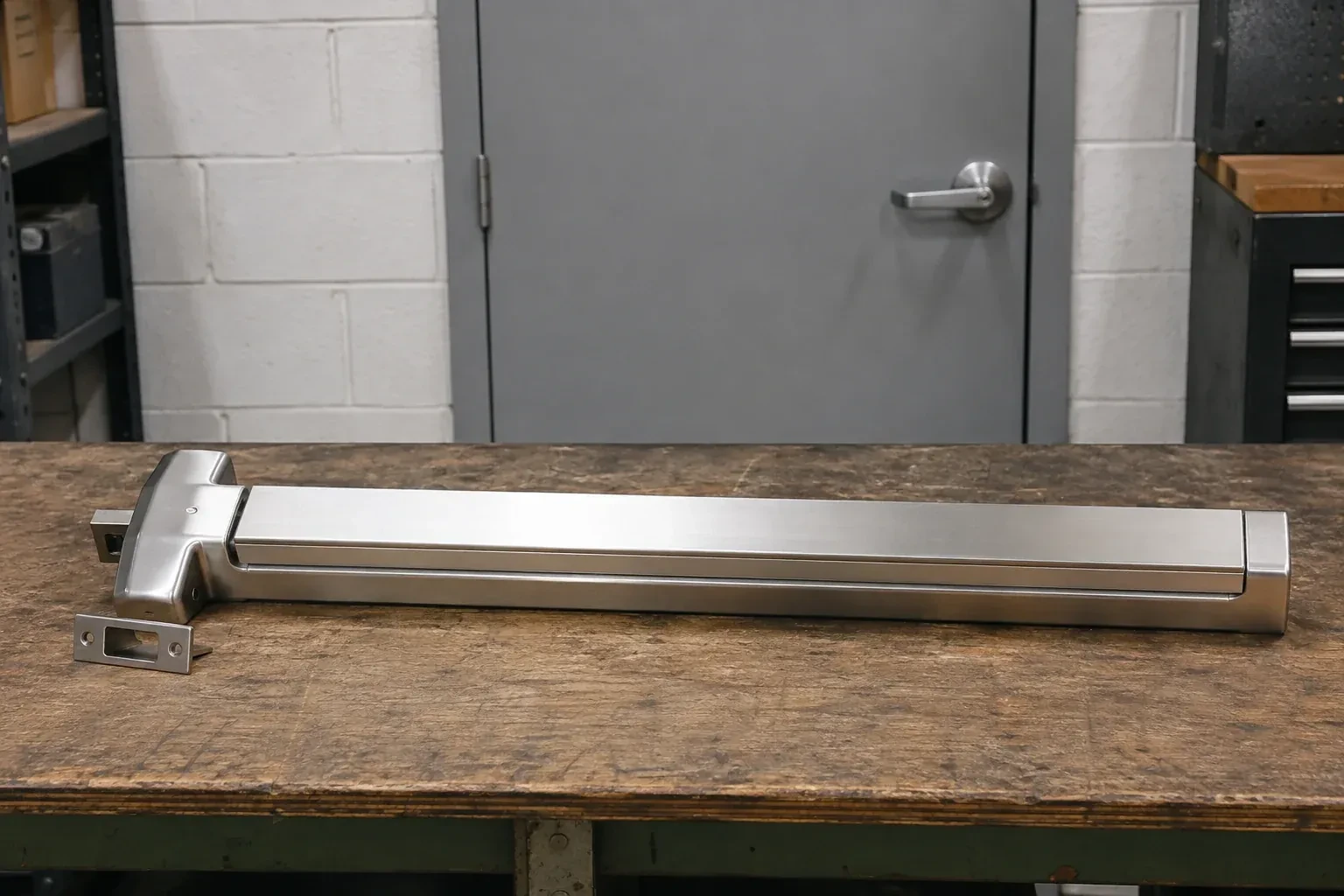
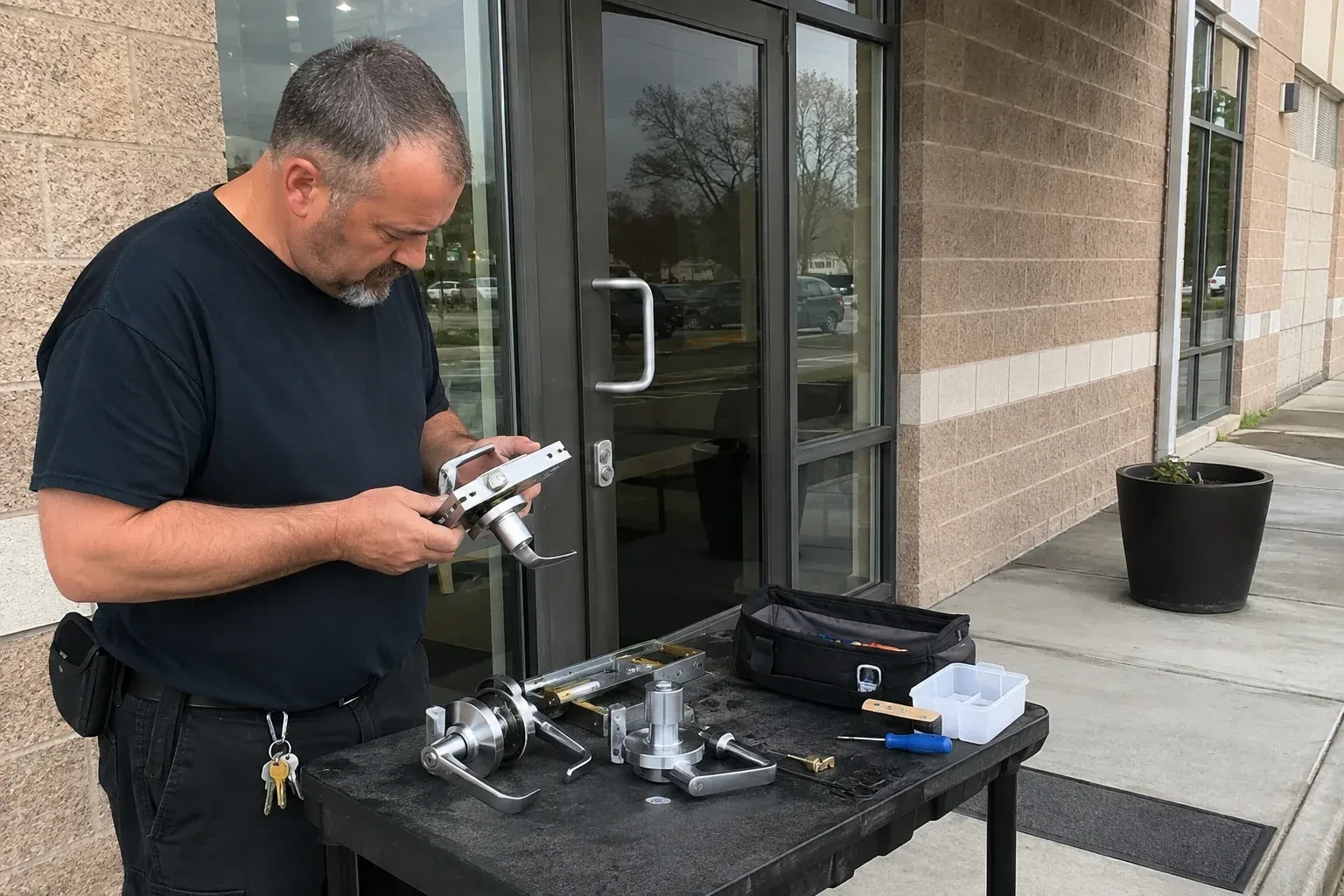
Every commercial door should do three things: open for the right people, stay shut for everyone else, and let people out in a hurry without a key. The services in this group serve those three, and we will say which door falls short on which one.
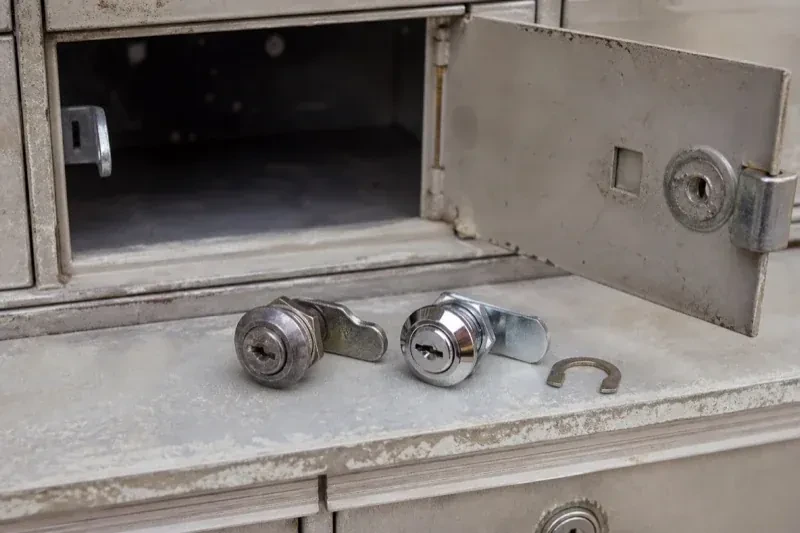
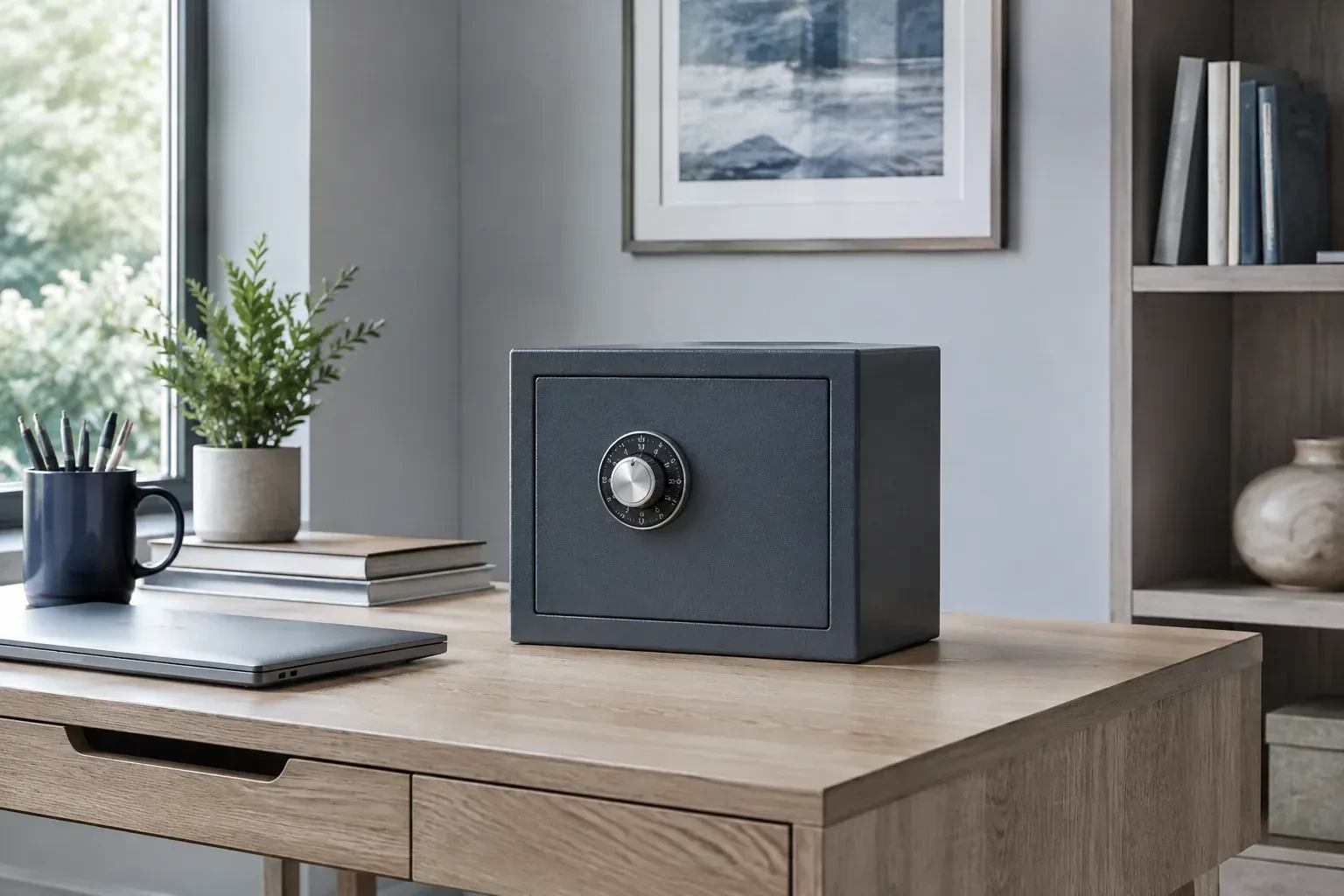
The pharmacy's drop safe has a keypad that finally lost power for good, and the little override key that was supposed to live behind the counter cannot be found anywhere.
A community group counts the weekend's raffle and bake-sale cash on a kitchen table, then carries it home in a tote bag until the bank opens Monday, because there has never been anywhere safer to leave it.
Which fix fits?
You reached the front step with the groceries, patted every pocket twice, and the house key is simply not there.
You signed the lease on the unit last week and the landlord handed over possession, but the previous tenant's locks are still on both doors and no keys came with them.
WhyGate hardware tends to struggle most in the season that stresses it hardest, and a cylinder or closer that has been sluggish all autumn rarely improves once the weather turns.
A padlock went on the stockroom's back door years ago for security and nobody has thought about it since, until the walkthrough this week pointed out that the same door is the room's only other way out.
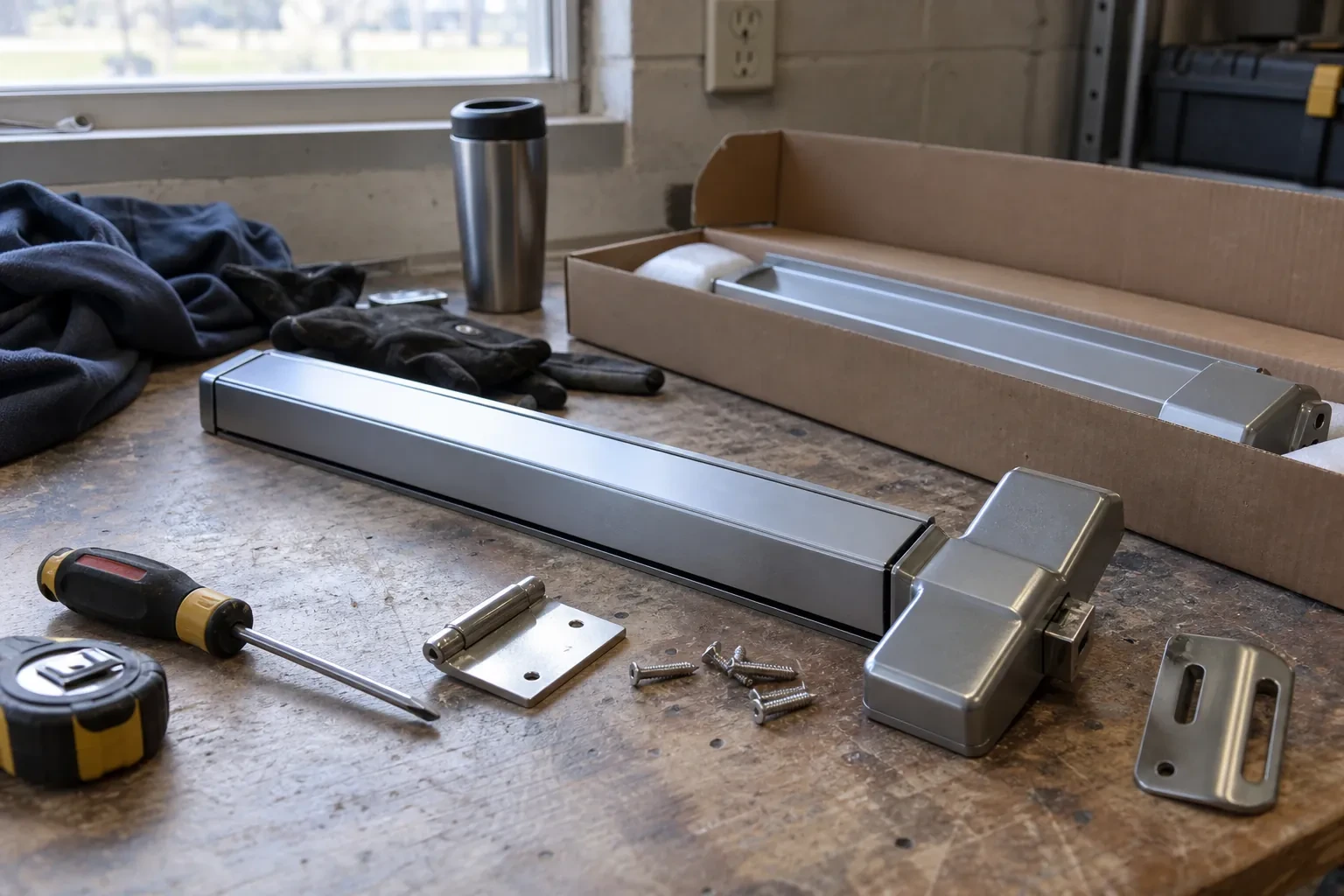
WhyPanic and exit hardware installation fits a commercial door with a device that releases the latch the moment someone pushes on it from the inside, so the room's occupants are never asked to find a key to leave.
The electric strike buzzes the moment the receptionist presses the release button, but the door still needs a shoulder to get past the latch, as though the two pieces were never matched.
WhyWhere a home lockout is mostly about getting one door open again, a commercial lock replacement is mostly a decision about a system: how this one door's hardware fits into every other lock the business already manages.
You stepped out at the pump to pay inside, the passenger locked their door out of habit, and the driver's door caught behind you.
You reached the front step with the groceries, patted every pocket twice, and the house key is simply not there. It was on the ring this morning. Now the door is locked, the lights are off, and nothing you have on you opens it.
You signed the lease on the unit last week and the landlord handed over possession, but the previous tenant's locks are still on both doors and no keys came with them. Your fixtures arrive tomorrow and the doors will not open.
The key slides all the way in, exactly as it has for years, and then refuses to turn in either direction. Yesterday it needed a small wiggle. This morning it feels set in concrete, and pushing harder only makes the key flex.
The keys fell out of a gym bag somewhere between the arena and the parking lot. The ring has a tag from the building with the unit number on it. Whoever finds it has an address and a key that fits.
A visitor buzzes from the panel downstairs, someone presses the button by the door, and nothing happens. The electric strike on the lobby door used to click open on cue; now it stays silent, and residents are propping the entry with a folded flyer instead.
A padlock went on the stockroom's back door years ago for security and nobody has thought about it since, until the walkthrough this week pointed out that the same door is the room's only other way out.
The electric strike buzzes the moment the receptionist presses the release button, but the door still needs a shoulder to get past the latch, as though the two pieces were never matched.
You stepped out at the pump to pay inside, the passenger locked their door out of habit, and the driver's door caught behind you. The engine is off, the keys are in the ignition, and the line of cars behind you is growing.
After a cold night the driver's door key barely goes in, and when it finally seats it stops halfway and will not turn any further. Meltwater from the day before ran into the keyway and the overnight drop in temperature sealed it solid.
What happens if my identification is not convincing enough on the spot?
The work pauses rather than proceeds, and the locksmith helps you find another route: a neighbour or building manager who can confirm you live there, a document on your phone, a family member who can bring paperwork, or completing the check inside after entry when the documents are behind the door. Verification protects you as much as anyone, because the same standard applies to whoever might one day claim to live at your address.
I am an employee, not the owner. Can you still open the door for me?
Yes, with the owner or a manager in the loop. Tell the locksmith who can confirm you work there and how to reach them. A call to the business owner, the regional manager or the property manager, ideally on a number that can be looked up rather than one you supply, settles it. Staff on an opening shift arrange this on the phone before the locksmith arrives so nothing waits at the door.
The lever on our shop door goes down but the latch does not pull back. Is that a lock problem?
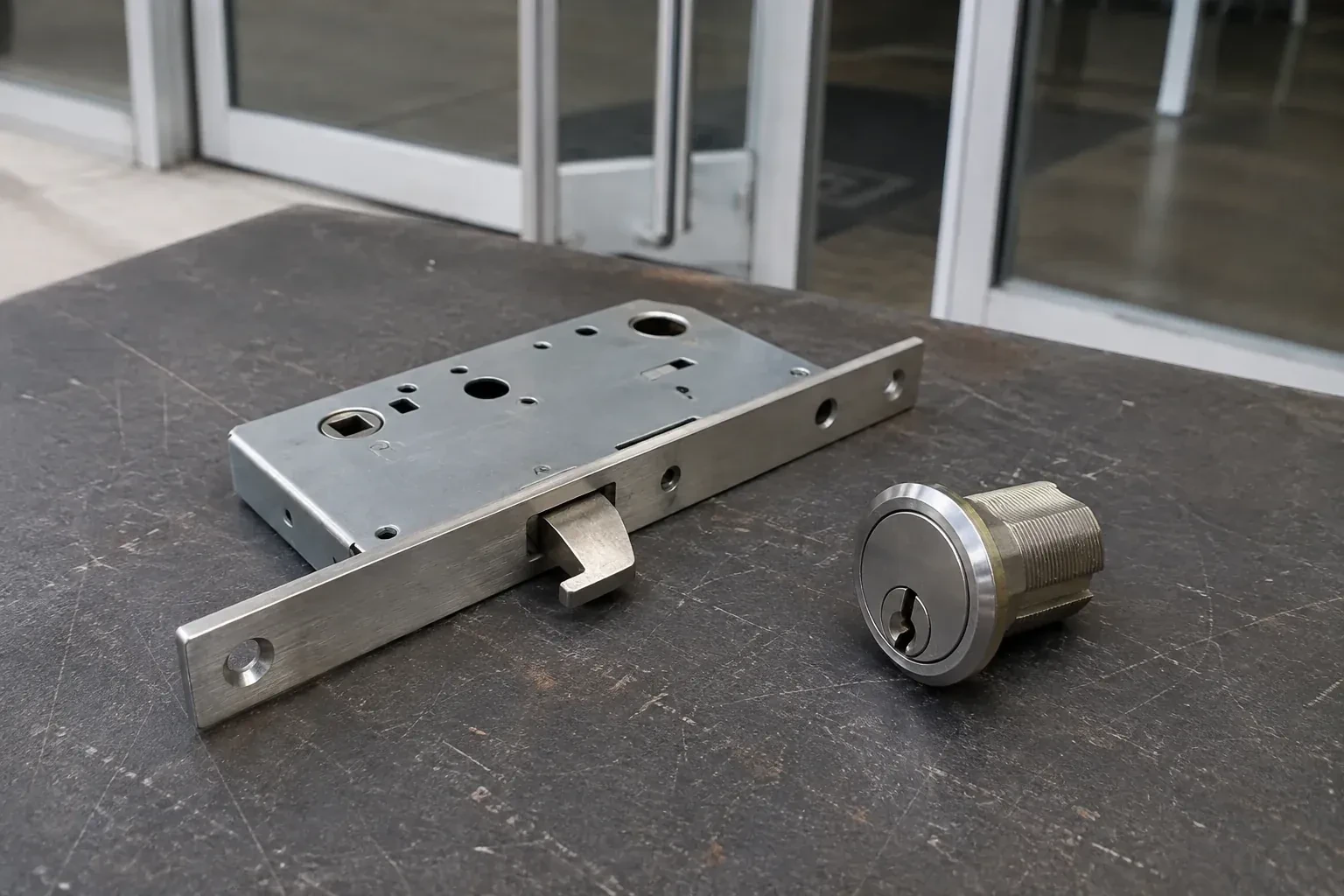
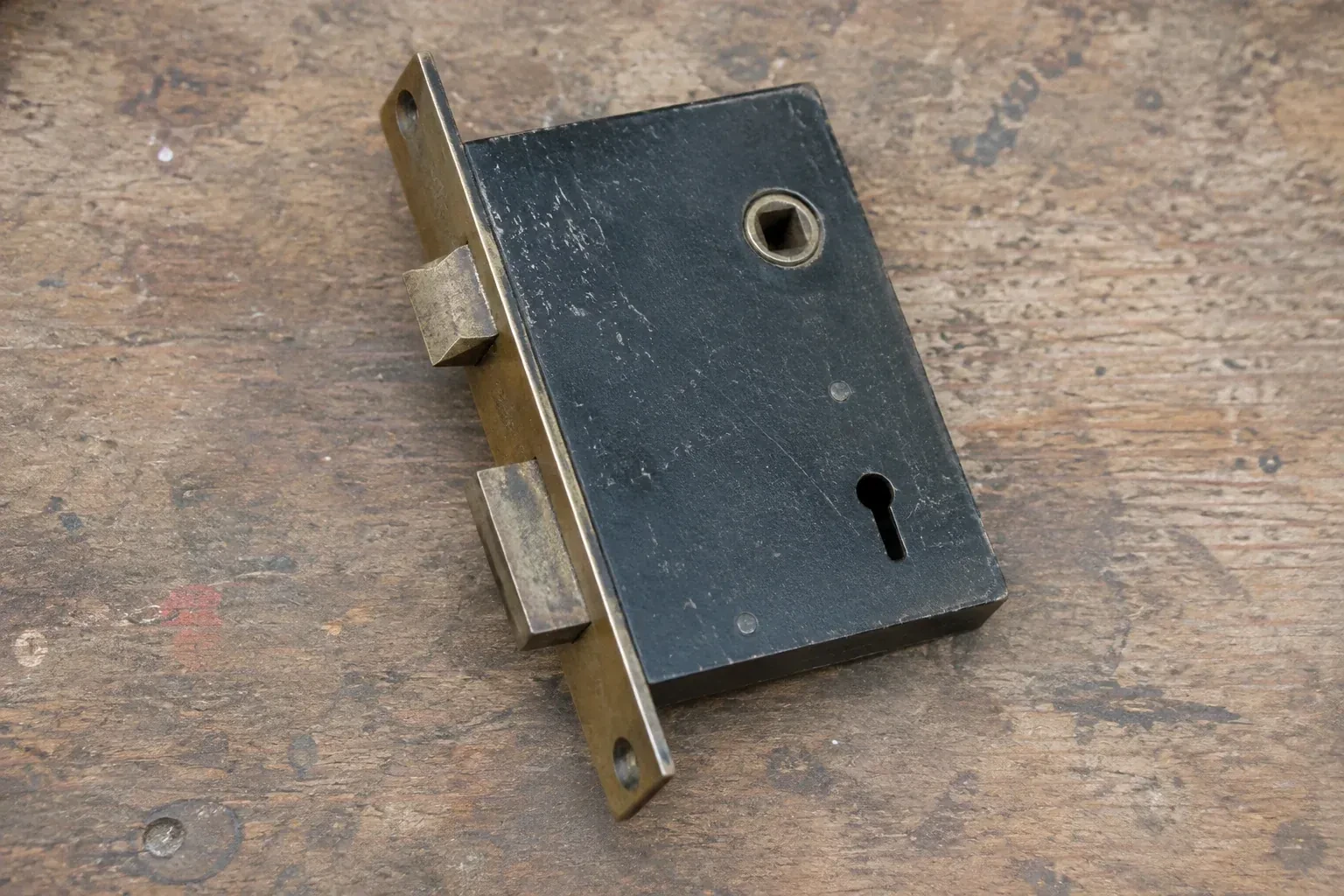
It usually points to the mortise case rather than the cylinder, and it is a common complaint on commercial doors. Inside the case a return spring, a worn hub, or another part of the latch's drive path can have failed, so the lever moves without driving the latch. The locksmith gets the door open, draws the case out of the door edge, replaces the worn part, cleans and greases the contact points and refits everything, then tests lever, key and thumb-turn together.
How many new keys should I ask for?
Count the people who genuinely need one and add one for a known spare location: each adult, a teenager, a caregiver or regular sitter, the neighbour who checks the house, the landlord if you rent. Keys are cut on site, so the number is easy to settle during the visit. Fewer keys with names attached is the point; another can always be cut later from the code.
A tenant moved out of our building. Do we need to rekey the shared entry?
It is worth doing, since a move-out is exactly the situation a rekey is meant to cover: a former tenant's key still operates the same lock everyone currently living there relies on. Rekeying resets the cylinder to a fresh combination and issues new keys to current residents, without requiring a whole new lock in most cases. Bringing any other gates or doors that share that key along at the same time keeps the whole property on one current combination.
When does a door actually need this hardware rather than a regular lock?
It comes down to occupancy and occupant load rather than preference. Rooms used for assembly, such as banquet halls, places of worship or gyms, and doors serving a stairway in a busier building, are where this hardware becomes the standard choice instead of a keyed lock on the exit side. A fire inspector or building official is the practical way to confirm whether a specific room has crossed that line.
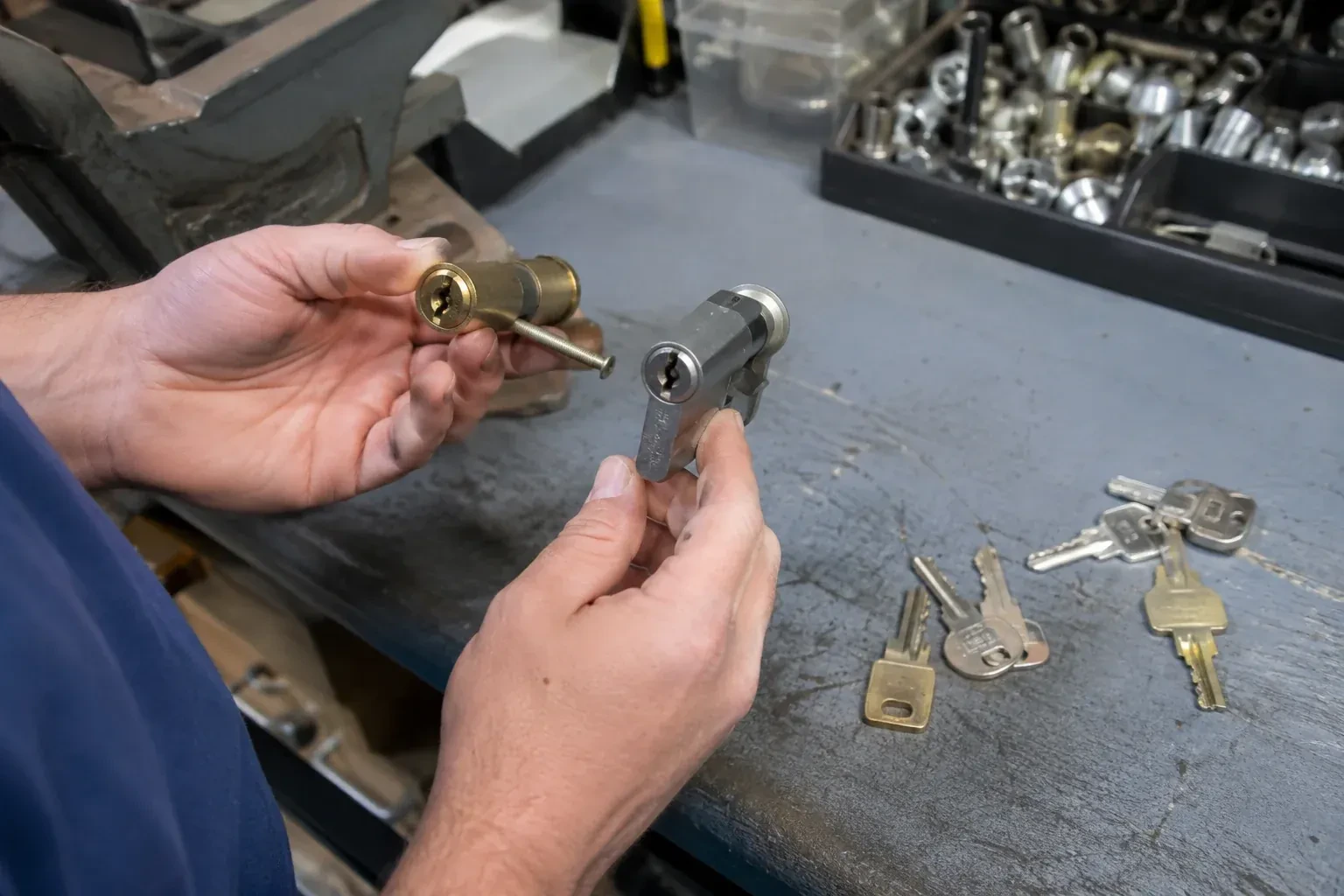
Can you replace just the cylinder instead of the whole lock body?
Often, yes, particularly with an interchangeable-core system where the core is designed to be swapped without removing the lock body from the door. Where the lock body itself is worn, damaged or of a grade that no longer suits the door's traffic, replacing the cylinder alone would leave the underlying problem in place, so the locksmith says which option actually fits the situation found.
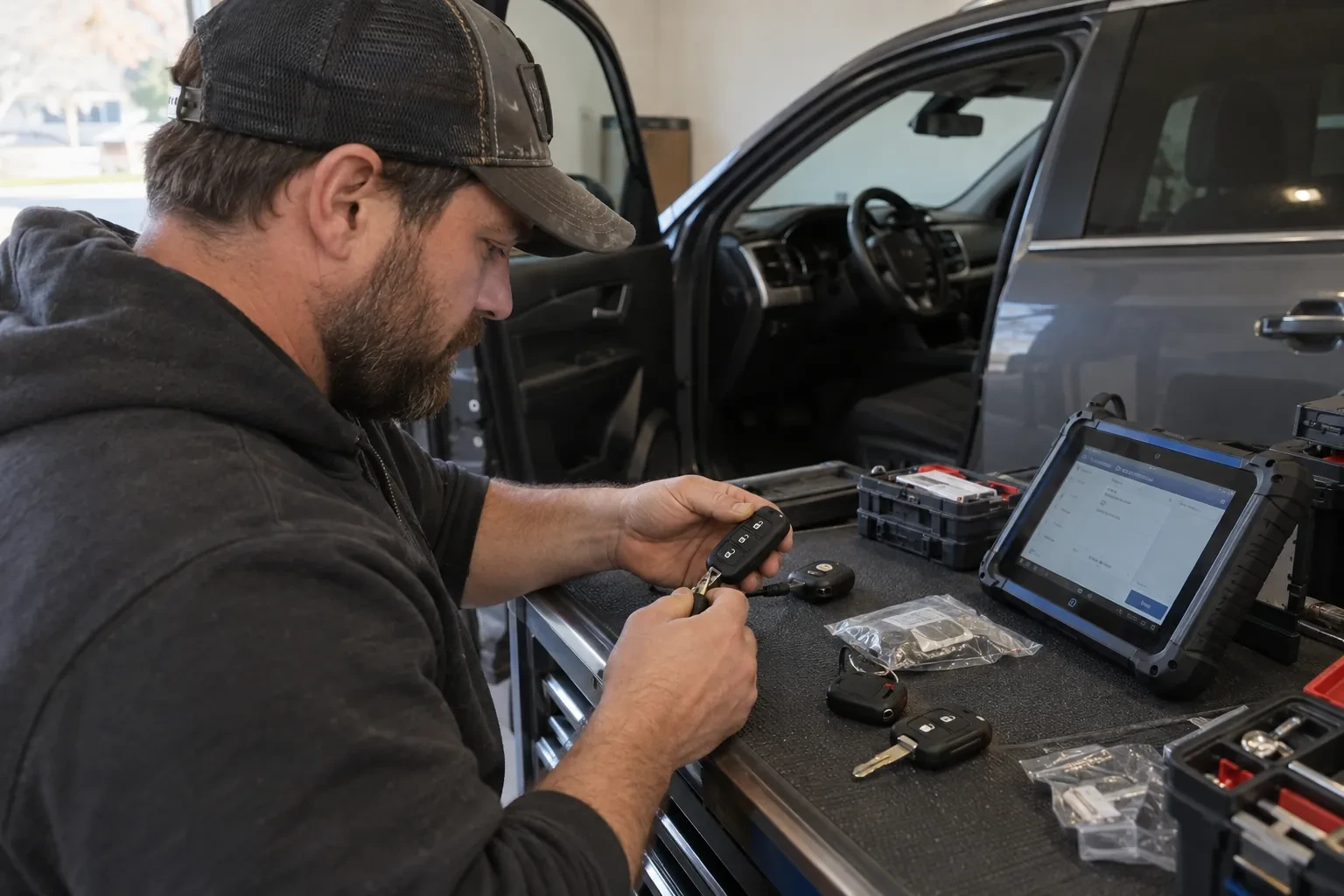
The alarm went off. Is that a problem?
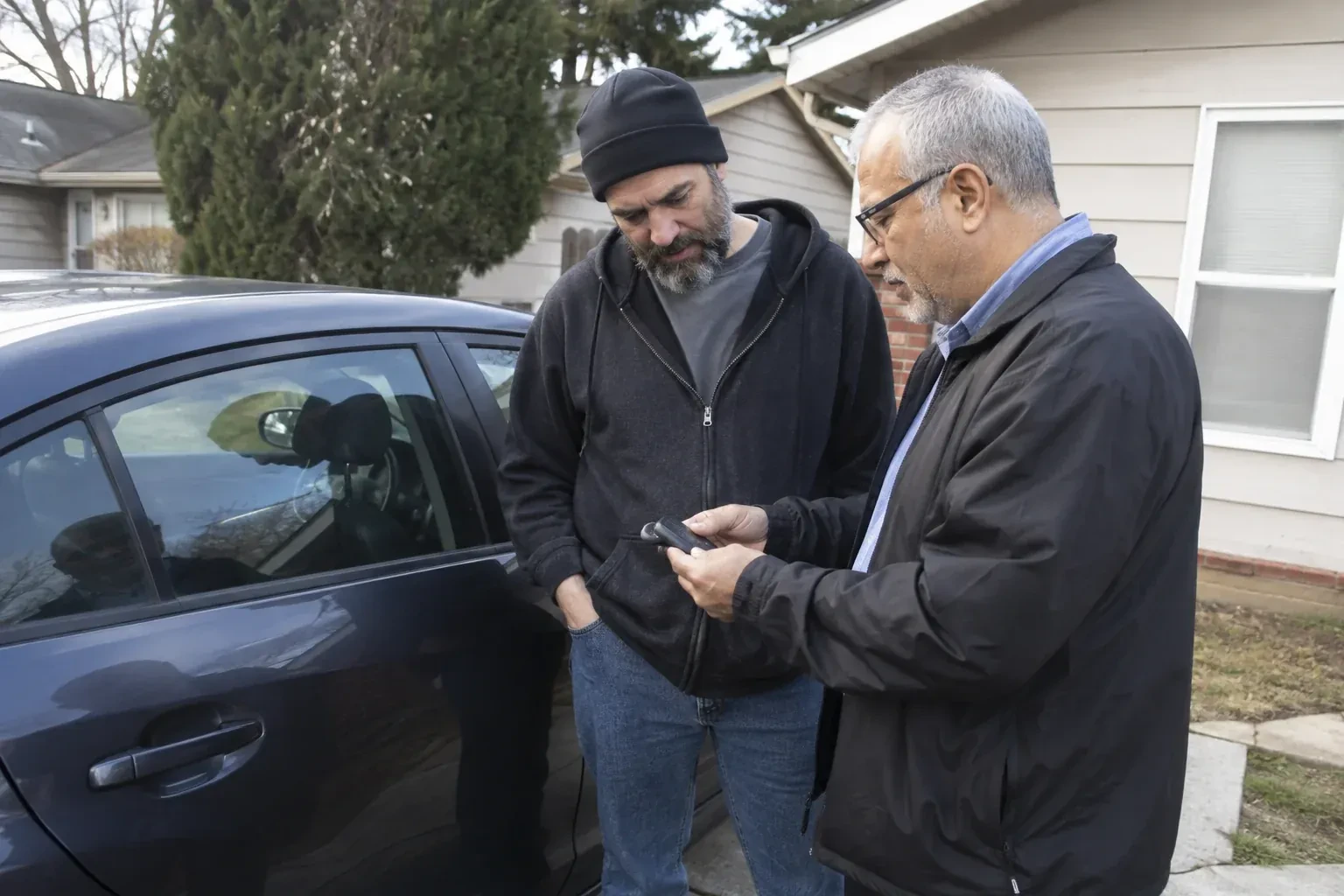
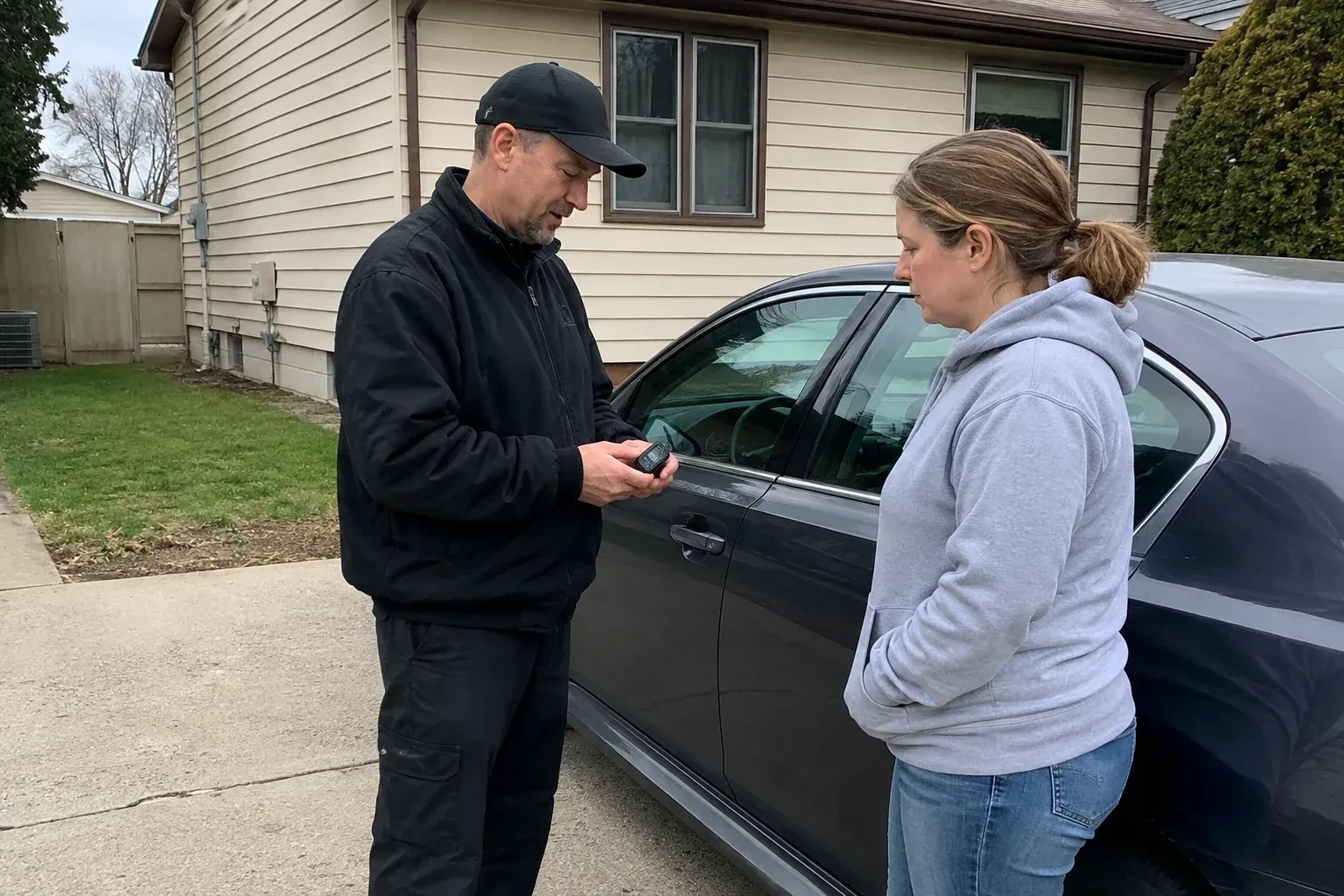
It is expected. Opening a door without the fob or key wakes most factory alarms, and quieting them is part of finishing the job: a turn of the key in the door or ignition, or a press of the fob once the car has power, usually does it. An aftermarket alarm is reset from its own valet switch. The locksmith stays until the car is quiet and every lock has been cycled.
What causes a car door lock to seize up in winter?
Meltwater from a thaw can run into the keyway during the day and refreeze overnight, and road salt and brine thickens grease inside an older cylinder. Both make the key resist turning or stop partway, and both respond well to gentle warming or a lock de-icer rather than force.
Request a visit
Winter is part of how we work in Centre Wellington. Doors swell and shrink, frames shift, keys snap in cold cylinders, and salt finds its way into hardware. We choose lubricants that stay fluid in the cold, set strikes with the seasons in mind, and show you the small habit that stops a key from freezing in the lock.