Lockouts · Centre Wellington
Home Lockout Service in Centre Wellington
The moving truck has left, half the boxes are inside, and the single key the previous owner handed over turns the knob but not the deadbolt.
In plain words
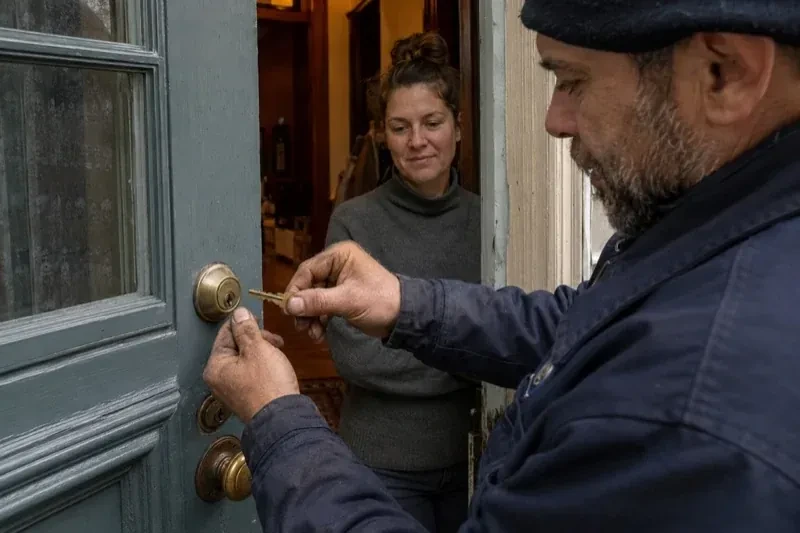
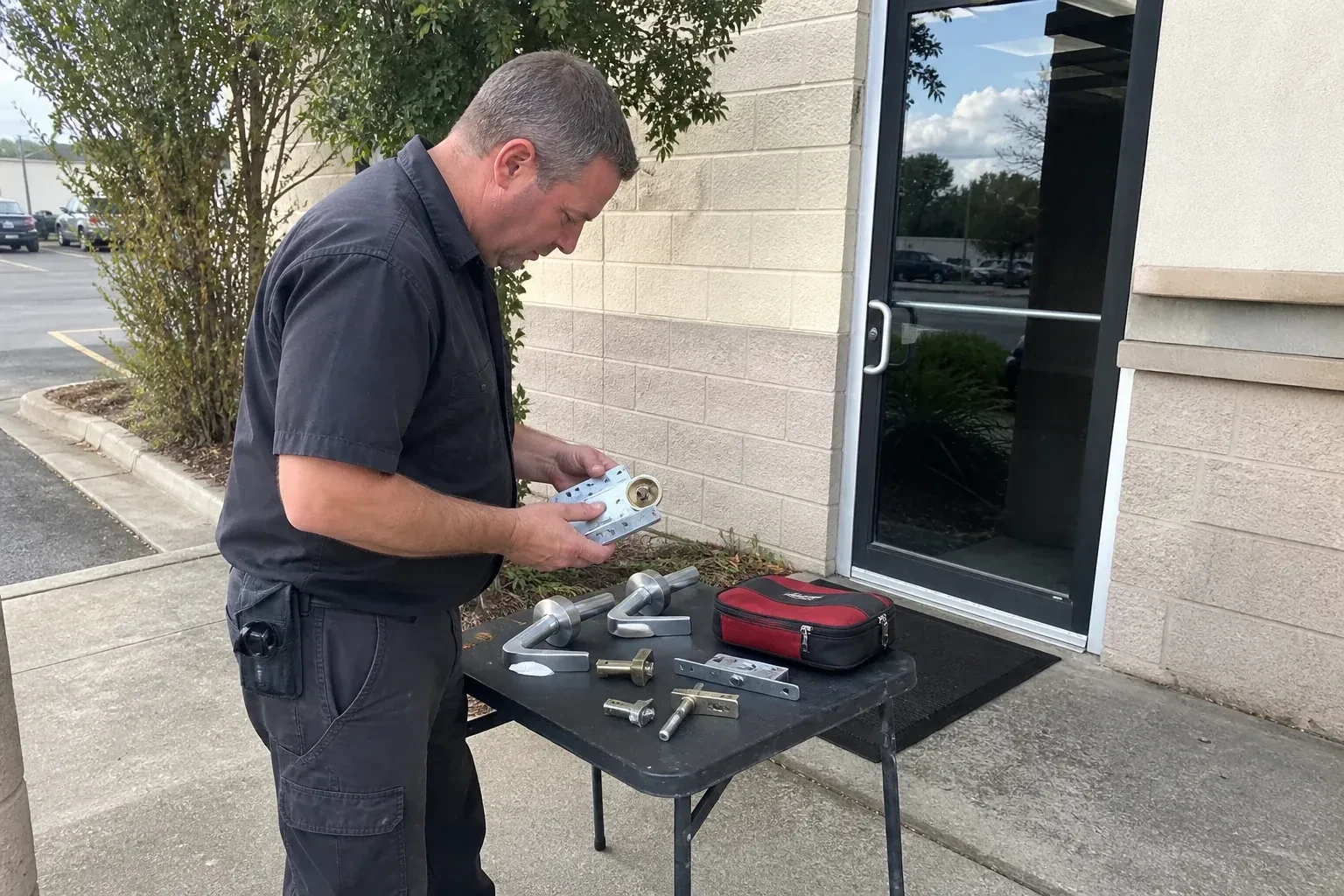
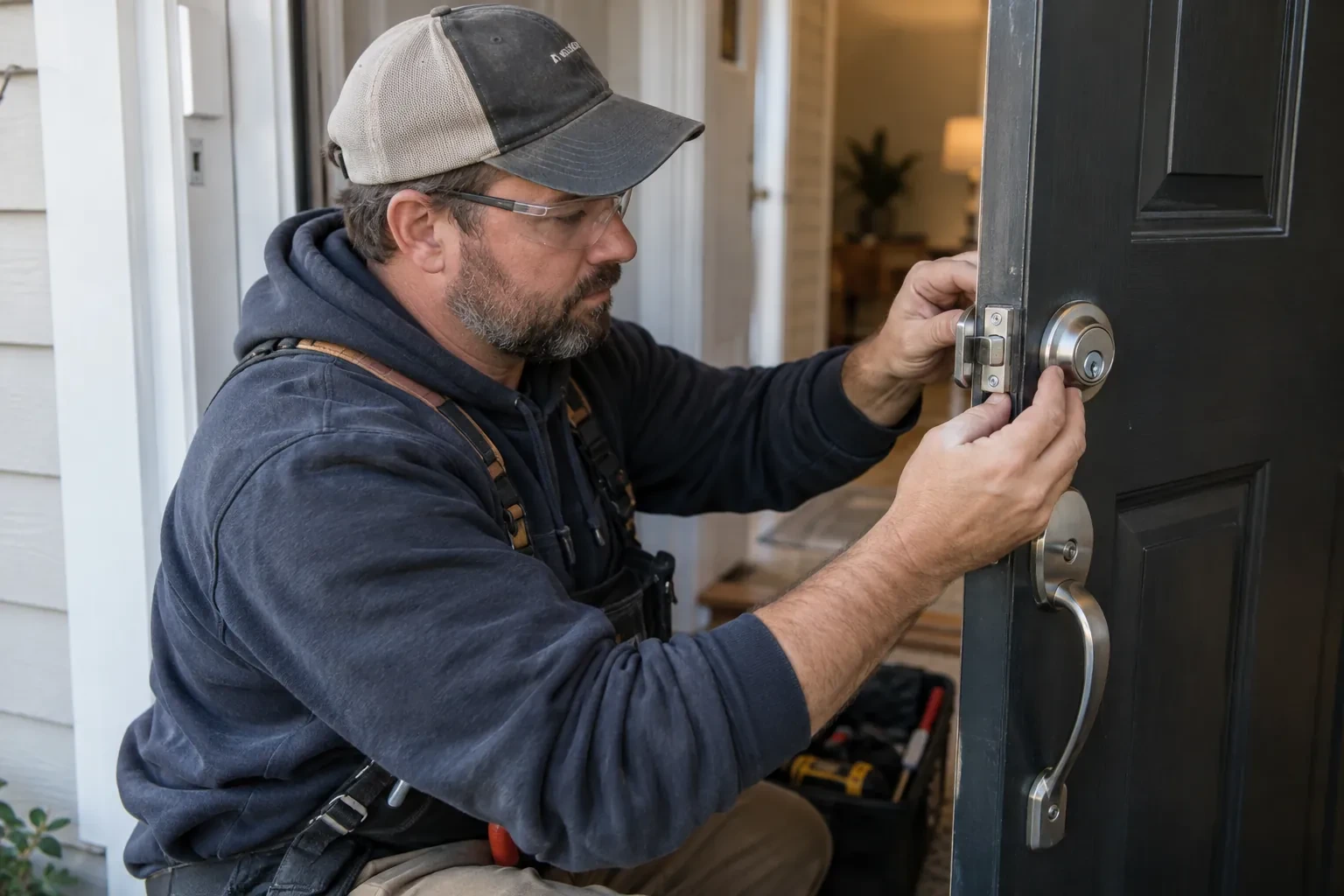
The visit follows a steady order. On the phone you describe the door, the lock and where the key went, which tells the locksmith what to bring. At the house, identification and address are checked and the lock is examined, including the door's fit in its frame. The opening itself comes next, using the least invasive technique that suits the hardware. Once inside, the lock is cycled several times to confirm it works, and you are told what was done. Any recommendation, such as rekeying because a key is missing, is explained then and carried out only if you want it.
How the visit goesYou reached the front step with the groceries, patted every pocket twice, and the house key is simply not there. It was on the ring this morning. Now the door is locked, the lights are off, and nothing you have on you opens it.
Home Lockout Service
How the visit goes
Cold, ice and salt on the hardware
In winter the assessment starts with the weather. A keyway that took on meltwater during a thaw can be frozen solid by morning, and salt spray from a nearby driveway leaves a crust that gums up the pins. The locksmith looks for frost around the cylinder face, tests how far the key seats, and feels whether the plug is stiff from cold grease or genuinely iced. This decides between a gentle thaw with lock de-icer, warming the cylinder, or picking once the ice releases. It also flags hardware that should get a dry lubricant and a weather cover afterwards so the same morning does not repeat next week.
When drilling is the right answer
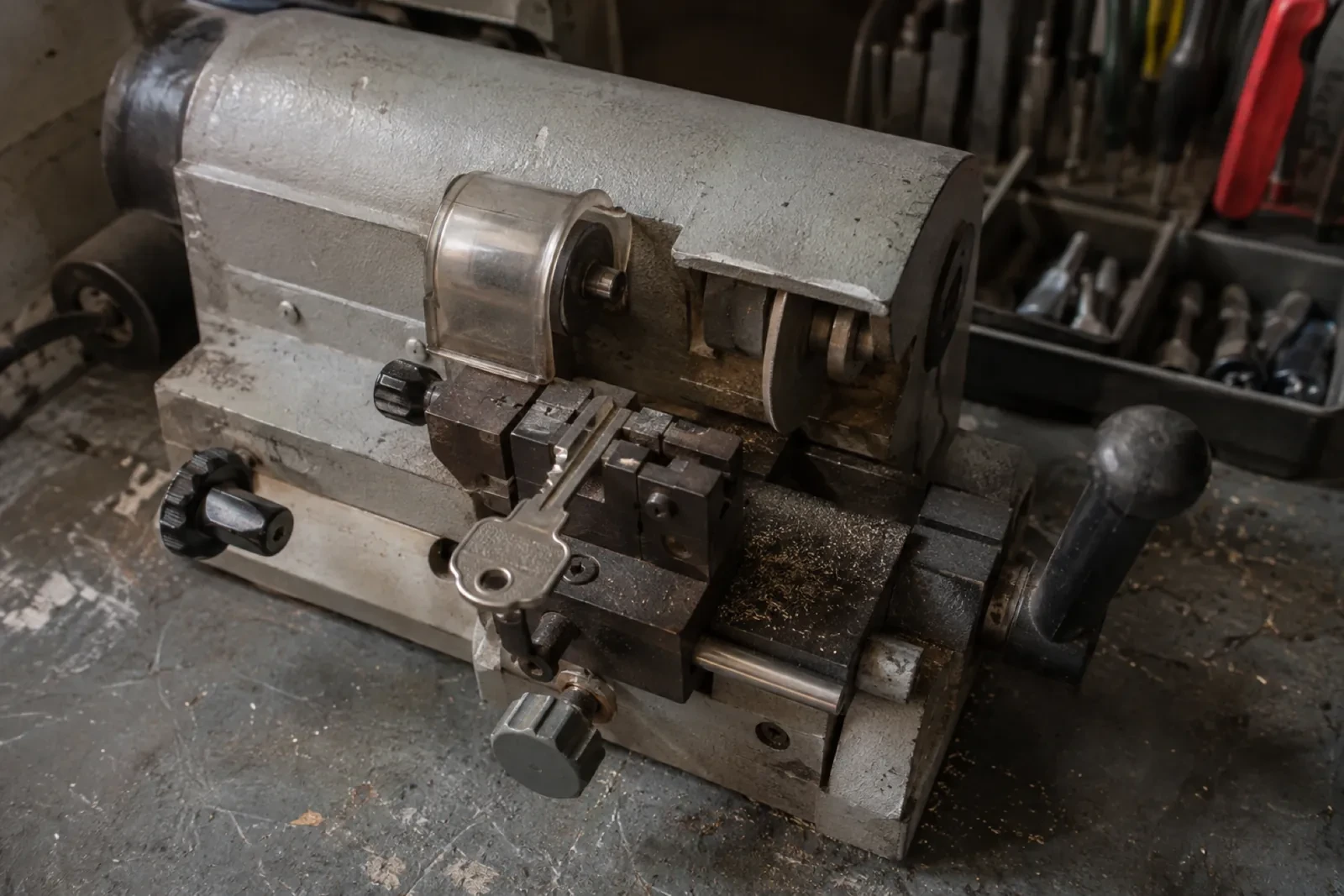
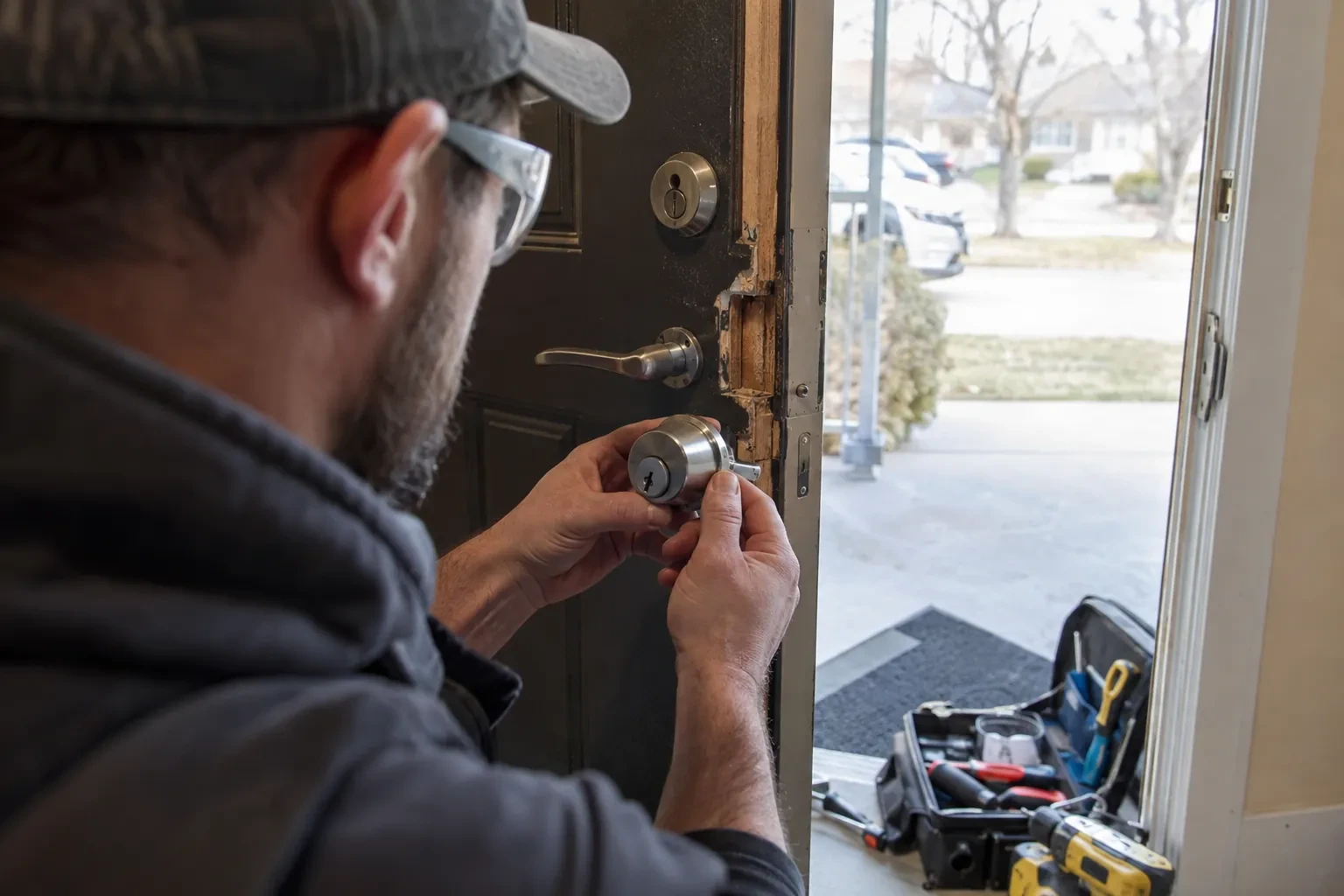
Occasionally a cylinder is seized, badly worn, packed with a broken key or built to resist picking to a degree that makes it impractical. In that case the locksmith explains, before starting, that the cylinder will be sacrificed and replaced. The drilling is aimed precisely at the shear line so the plug can turn, which keeps the damage to the cylinder alone and leaves the door, the trim and the bolt untouched. A new cylinder or complete deadbolt is fitted in the same visit, new keys are cut and tested, and the old hardware is handed to you or taken away as you prefer. You leave with a working, lockable door, not a temporary patch.
Smart lock back online, with a backup this time
Once a keypad or app lock has been opened it is put back on its feet properly: fresh batteries of the type the maker specifies, the auto-lock and code settings confirmed, and a walk-through of the low-battery warning so you recognize the beep or blink before it turns into a dead lock. The small mechanical override key is the piece most people never think about, and the sensible place for it is outside the home, on a keyring, in a lockbox or with a neighbour, rather than in the kitchen drawer. A second user code for a family member, set up before the locksmith leaves, means a flat phone stops being a lockout.
Home Lockout Service
In the van
Plug spinner
Latch and bypass tools
Pick and tension tools
Dry graphite or PTFE lubricant
Plug follower and repinning kit
Home Lockout Service
What affects the quote
Damage from earlier attempts
A latch bent by a credit card or a cylinder scarred by a screwdriver may need repair or replacement in addition to the opening. The locksmith points out what was already there before quoting that part.
Type and grade of the lock
A builder-grade knob latch, a residential deadbolt, a mortise case in an older home and a high-security cylinder each take different tools and different amounts of time to open, and that difference shows in the quote.
How many locks need opening
One front door is the simplest case. A front door plus a garage man-door, a storm door that latched and a mailbox in the lobby is a longer visit with more hardware to work through.
What to have ready
- Is the door swollen, sagging or hard to close even when it is unlocked?
- Is the lock a keypad or smart lock, and does it have any power left?
- Has the lock been stiff, sticky or hard to turn in recent weeks?
Home Lockout Service: questions
QuestionsWhen does a locksmith decide to drill instead of pick?
Drilling is the last rung, reached only when the cylinder has genuinely stopped cooperating. Typical reasons are a plug seized by corrosion or a failed spring, a key snapped deep inside that blocks the pins, a high-security cylinder whose anti-pick features make picking impractical, or a lock already damaged by someone's earlier attempt. The decision is explained before the drill comes out, the hole is confined to the cylinder, and replacement hardware goes in straight afterwards.
What happens if my identification is not convincing enough on the spot?
The work pauses rather than proceeds, and the locksmith helps you find another route: a neighbour or building manager who can confirm you live there, a document on your phone, a family member who can bring paperwork, or completing the check inside after entry when the documents are behind the door. Verification protects you as much as anyone, because the same standard applies to whoever might one day claim to live at your address.
Can a frozen lock be opened, and how do I stop it freezing again?
Frozen cylinders open well with patience: lock de-icer or gentle warming melts the ice so the plug turns, and the cylinder is then dried and treated with a dry lubricant that sheds moisture. Hot water is avoided because it refreezes and can crack cold metal. To prevent a repeat, keep a storm door closed over the main lock, fit a keyhole cover on exposed side doors, and carry a small de-icer in your coat or car through the freeze-thaw months.
Related services
- Broken Key ExtractionOvernight the deadbolt froze, and this morning the key would only turn partway.
- Break-In Damage Lock RepairThe patio slider is sitting crooked on its track.
- Seized & Jammed Lock OpeningThe shop's lever handle goes down as usual, but the latch inside the mortise case never pulls back.