Car keys · Centre Wellington
Car Lockout Service in Centre Wellington
It is a January morning, minus twenty with the wind, and the key will not enter the door cylinder.
In plain words
The visit follows a steady order. On the phone you give the make, model, year, where the keys are and where the car is parked, so the right tools ride in the van. If anyone or any pet is inside in heat or cold, you are sent to emergency services first. On arrival the locksmith checks the car can be worked on safely, confirms your identification and connection to the vehicle, and walks around trying every door. The opening comes next, using the gentlest method that suits the hardware. Then the alarm is silenced, the keys retrieved, and every lock cycled with your own key before the locksmith leaves.
How the visit goesYou stepped out at the pump to pay inside, the passenger locked their door out of habit, and the driver's door caught behind you. The engine is off, the keys are in the ignition, and the line of cars behind you is growing.
Car Lockout Service
How the visit goes


What has already been tried
The last part of the first look is a short conversation about what happened before the call. A neighbour may have tried a coat hanger through the window gap, a friend may have leaned on the door frame with a screwdriver, or a passer-by may have pressed the fob until it gave up entirely. Each of those changes the approach: a stretched seal wants the wedge placed differently, a scarred cylinder may need to be decoded rather than picked, and a fob that has been mashed may need its battery checked before anything else. None of it is a problem; it simply belongs in the plan so the opening goes cleanly.
Dead fob or dead car battery
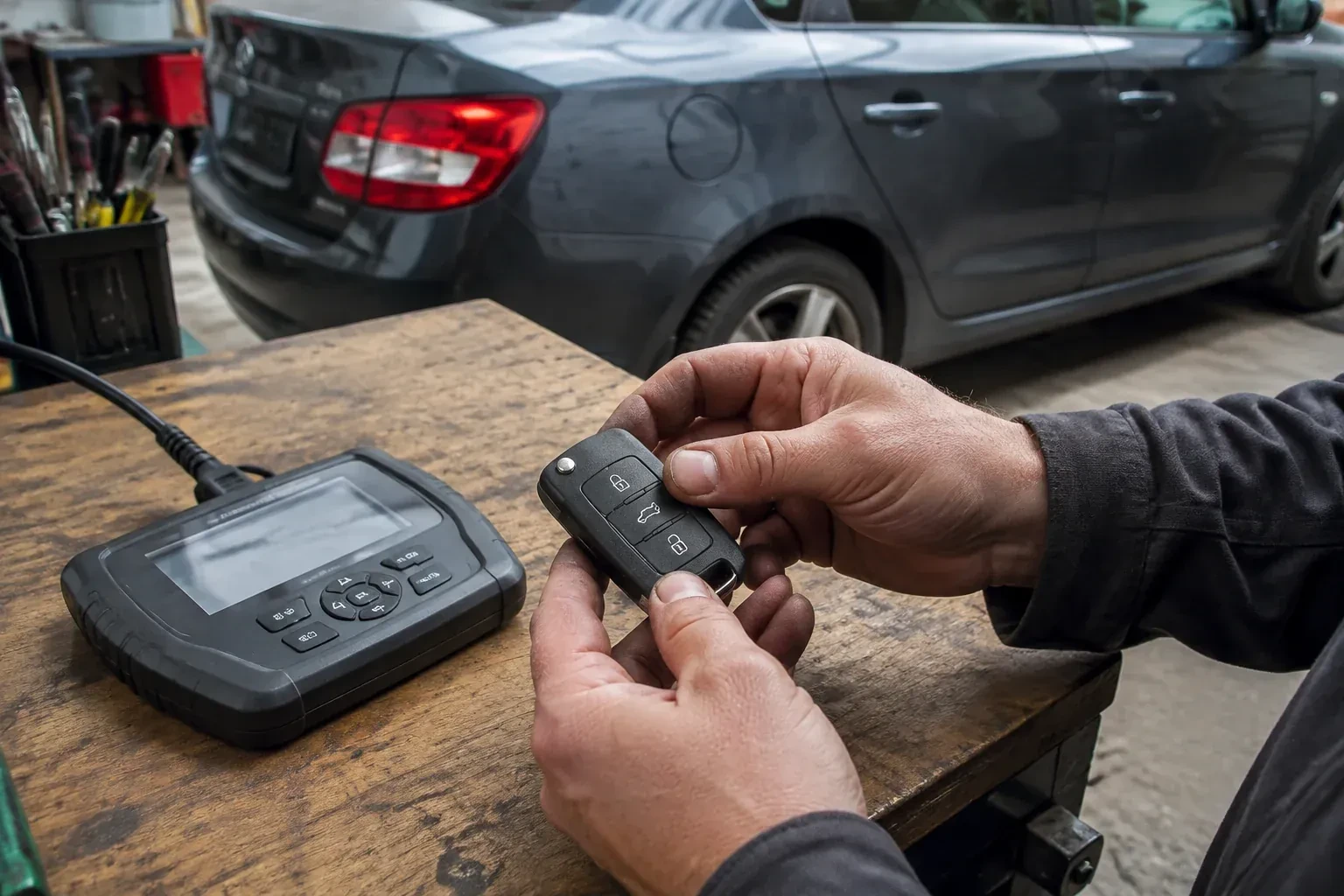
When a keyless car ignores its fob, the locksmith sorts out what failed. A fob that lights up but does nothing is checked, not assumed weak, since interference or fob damage look the same; once diagnosed, the vehicle's backup-entry method is used, often a mechanical blade in the driver's door cylinder, then a fresh battery. A car whose interior lights and horn are also dead has a flat twelve-volt battery, so the door is opened mechanically and a jump pack brings it back so the fob is read. Most push-button cars have a spot, on the start button or in the console, where a dead fob is held so the engine starts; the locksmith shows you where it is.
Every door and the trunk, working as before
The visit closes with a full circuit of the car. The mechanical key is tested in whichever exterior cylinder or cylinders the car actually has, the fob and interior switch are tested across every door, the trunk is opened and latched, and the door that was worked on is closed and reopened so you can hear it seat normally. The window is checked for a true fit in its channel and the seal is run with a finger for any lift. Any handle cap that came off is snapped back and the cylinder is wiped down. You watch the last lock-and-unlock yourself, so there is no doubt that the car is exactly as you left it, only open.
Car Lockout Service
In the van
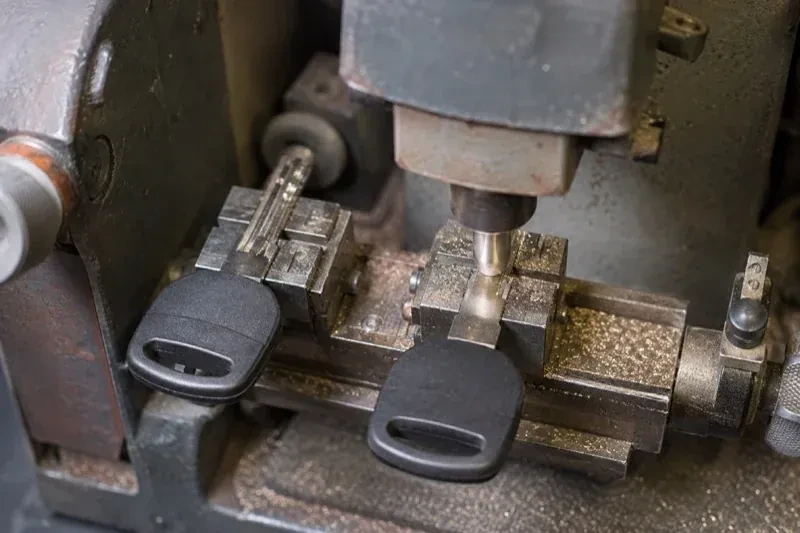
Key cutting machine
Automotive pick and decoder
Twelve-volt jump pack
Inflatable air wedge
Key programmer

Car Lockout Service
What affects the quote
Time of the call
An evening, weekend or holiday call costs the same amount as a weekday afternoon one for a car lockout. The locksmith looks at the vehicle and the type of key or fob at the roadside and confirms the exact figure there, in person.
Weather on the day
A cylinder frozen solid or a door frozen shut against its seal takes patient thawing before any opening can begin, so a call during a deep cold snap is quoted with that time in mind.
Keys inside versus keys lost
If the keys are on the seat, the visit ends when the door opens. If they are gone, cutting and programming a replacement is a second stage of work quoted on its own.
What to have ready
- If the keys are lost, do you want a replacement key made in the same visit?
- Has anyone already tried to open the car with a tool or a hanger?
- Is anyone, including a child or a pet, inside the car?
Car Lockout Service: questions
QuestionsWhy not just use a coat hanger or a slim jim?
Those tools suited cars from decades ago with simple rods inside the door. A modern door is packed with wiring, window regulators, speaker leads and side-airbag sensors, and a blind tool fishing among them can cut a harness or set off a fault. Coat hangers also tear seals and scratch glass. Purpose-made wedges, padded reach tools and keyway-specific picks do the job from outside the door's workings, which is why locksmiths carry them instead.
The alarm went off. Is that a problem?
It is expected. Opening a door without the fob or key wakes most factory alarms, and quieting them is part of finishing the job: a turn of the key in the door or ignition, or a press of the fob once the car has power, usually does it. An aftermarket alarm is reset from its own valet switch. The locksmith stays until the car is quiet and every lock has been cycled.
What should I have ready when I call?
The make, model and year of the vehicle, the colour and plate if you can see it, exactly where the car is parked and how to reach it, and where the keys are: on the seat, in the trunk, lost, snapped, or in a fob that has gone quiet. Say whether anyone or any animal is inside, whether the car is a rental or a company vehicle, and whether your identification is on you or in the glovebox.
Related services
- Spare Car Key DuplicationThe proximity fob has ridden in a pocket for years, the range feels shorter than it used to, and a dashboard warning mentioned a battery a while back.
- Key Fob ProgrammingA cracked case or a spin through the wash left the fob unresponsive, and opening it up reveals a slightly corroded board where the buttons used to sit.
- Transponder Key ProgrammingEvery key that ever opened the car is gone at once, one taken with a stolen bag, the spare misplaced months ago and never replaced.