Car keys · Minto
Transponder Key Programming in Minto
Every key that ever opened the car is gone at once, one taken with a stolen bag, the spare misplaced months ago and never replaced.
In plain words
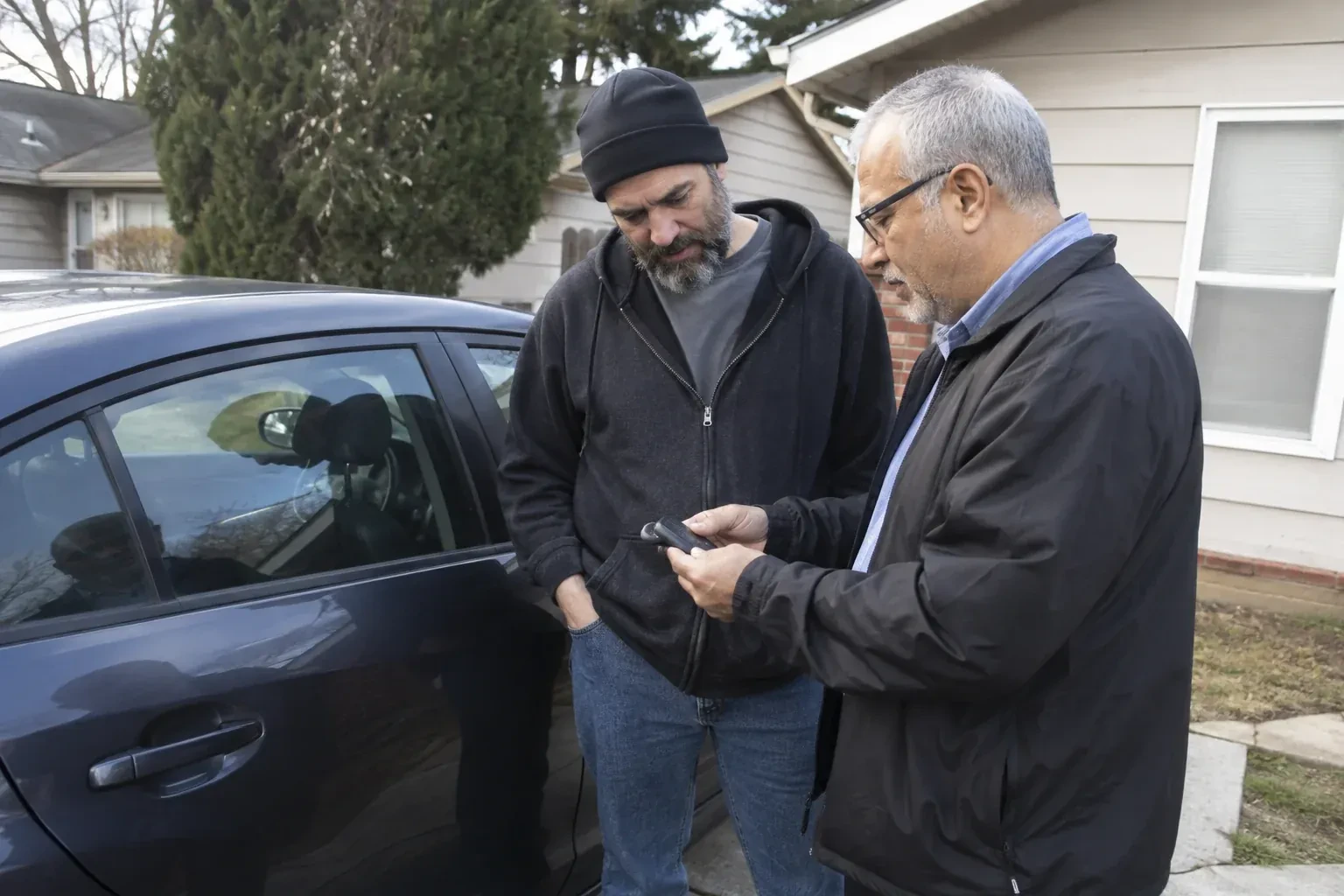
Adding a key for another driver is often one of the more contained jobs in this service. Many vehicles let one working key on hand authorize the new one directly, though some models ask for two working keys and others need a different programming route through the vehicle's diagnostic port. Once the new identity is written into memory, the existing keys are checked afterward to confirm nothing changed for them, and the household ends the visit with one more working key rather than one key doing double duty between two schedules.
How the visit goesThe new key slides into the ignition and turns exactly the way the old one did, but the engine only cranks. A dashboard light blinks near the fuel gauge, and no amount of turning the key gets the car past that cranking sound.
Transponder Key Programming
How the visit goes
Anything already added to the vehicle
Aftermarket remote starters, alarms, and a used ignition or control module carried over from another vehicle can all leave their own entries in a key list, sitting alongside the factory ones. Before programming anything new, the locksmith asks what has been added or swapped, since a module transplanted from elsewhere sometimes brings a stranger's old key identities with it. Sorting out what belongs to this vehicle and what arrived with a part keeps the finished key list honest rather than cluttered with entries nobody can explain.
Clearing a lost key's identity
When a key has been lost or stolen, its identity is removed from the immobilizer's memory so that key can no longer start the vehicle, wherever it happens to be. This is done in the same programming session as adding the new key, using the same connection to the vehicle's module. The old key remains a real object that still turns a lock somewhere, but it stops being able to authorize the engine, which is the part of the vehicle that mattered in the first place.
A spare that already exists, not one for later
A spare key made before it is needed sits in a drawer doing nothing until the day the only other key is lost, and on that day it is worth more than any amount of good intention would have been. Households that arrange this while it is convenient rarely regret it, and the visit that adds a driver's key or a genuine spare is no more involved than the one that replaces something already missing. The difference is only in when it happens.
Transponder Key Programming
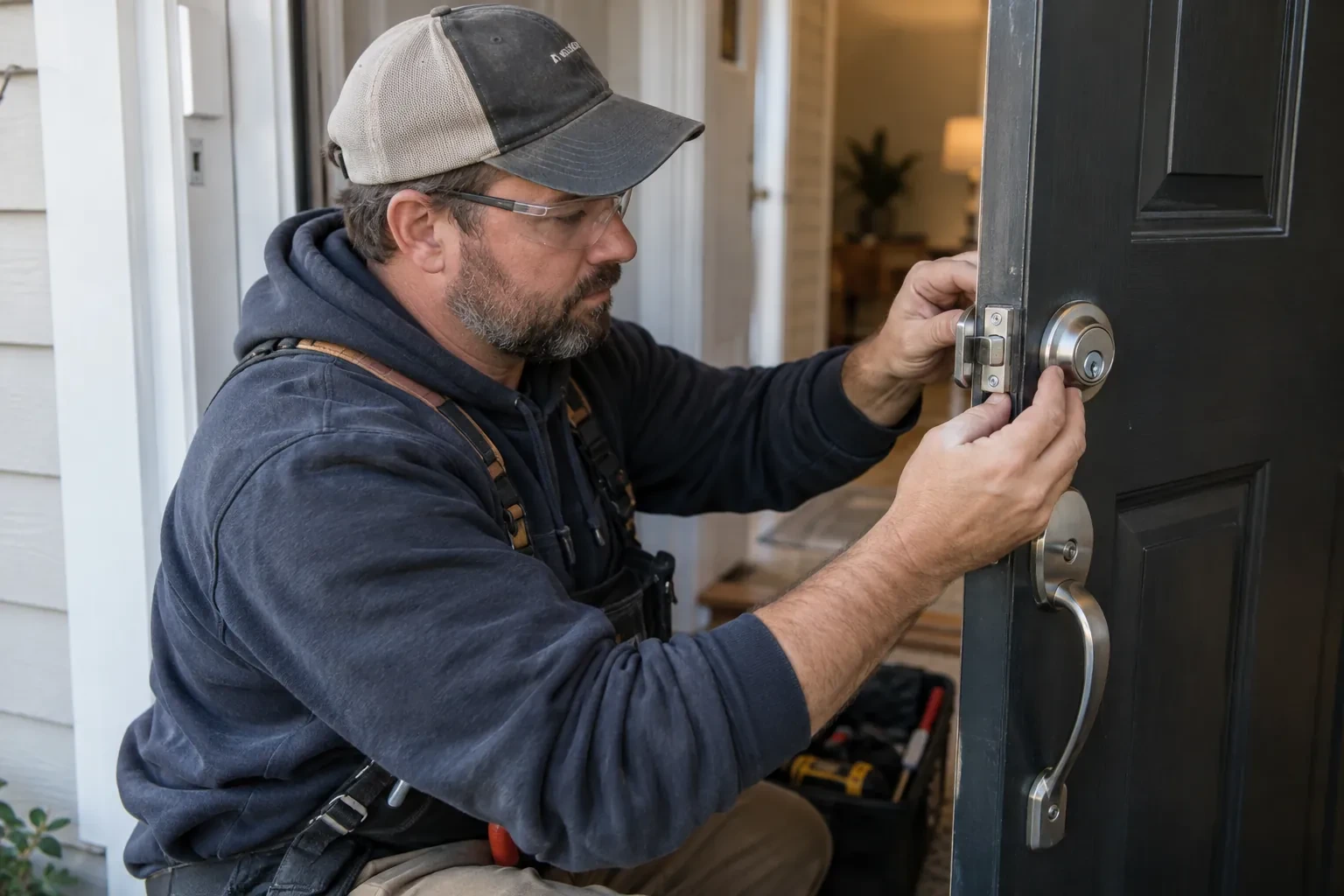
In the van
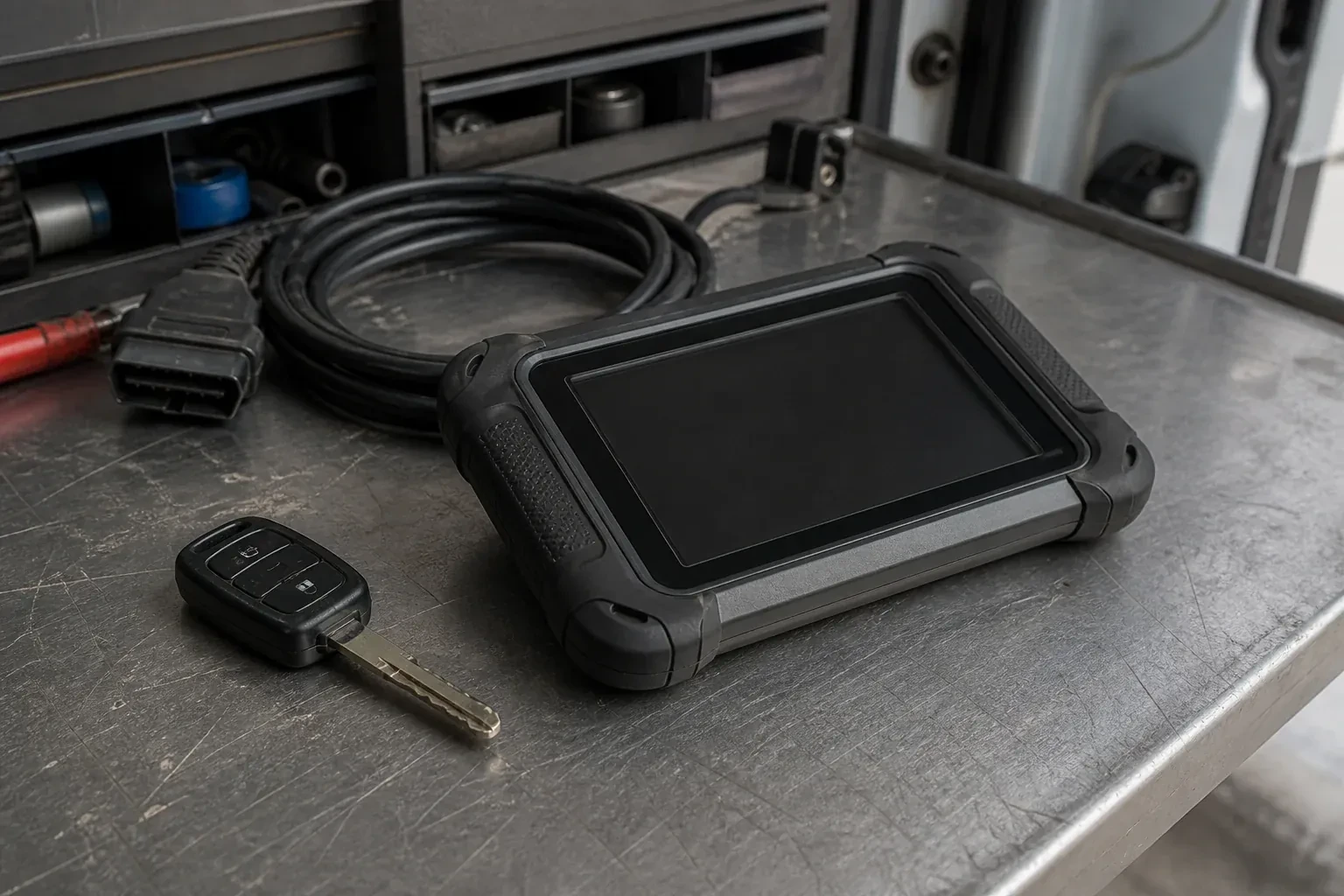
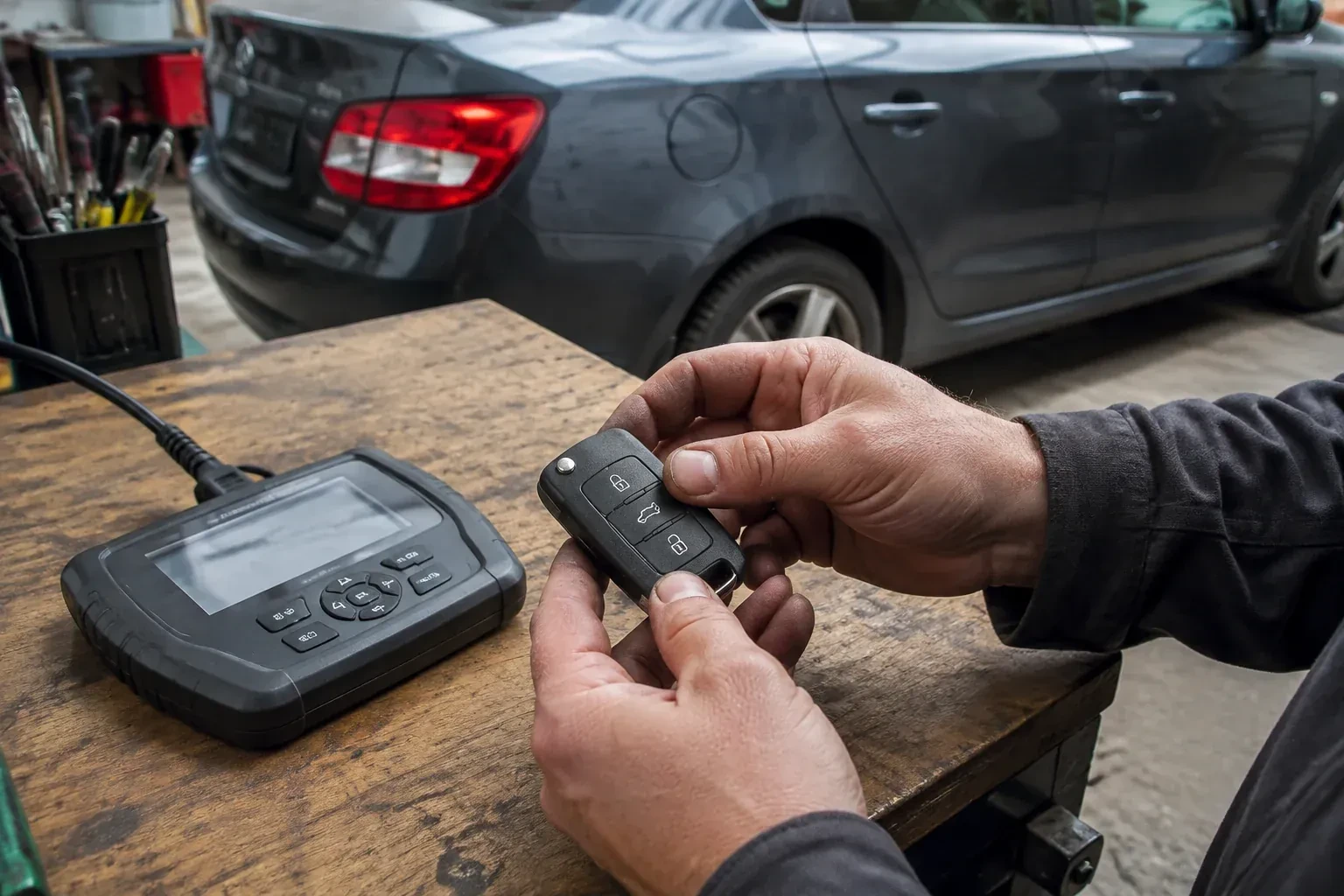
Diagnostic laptop or tablet
Security-access module
Fob battery
Bench programming adapter
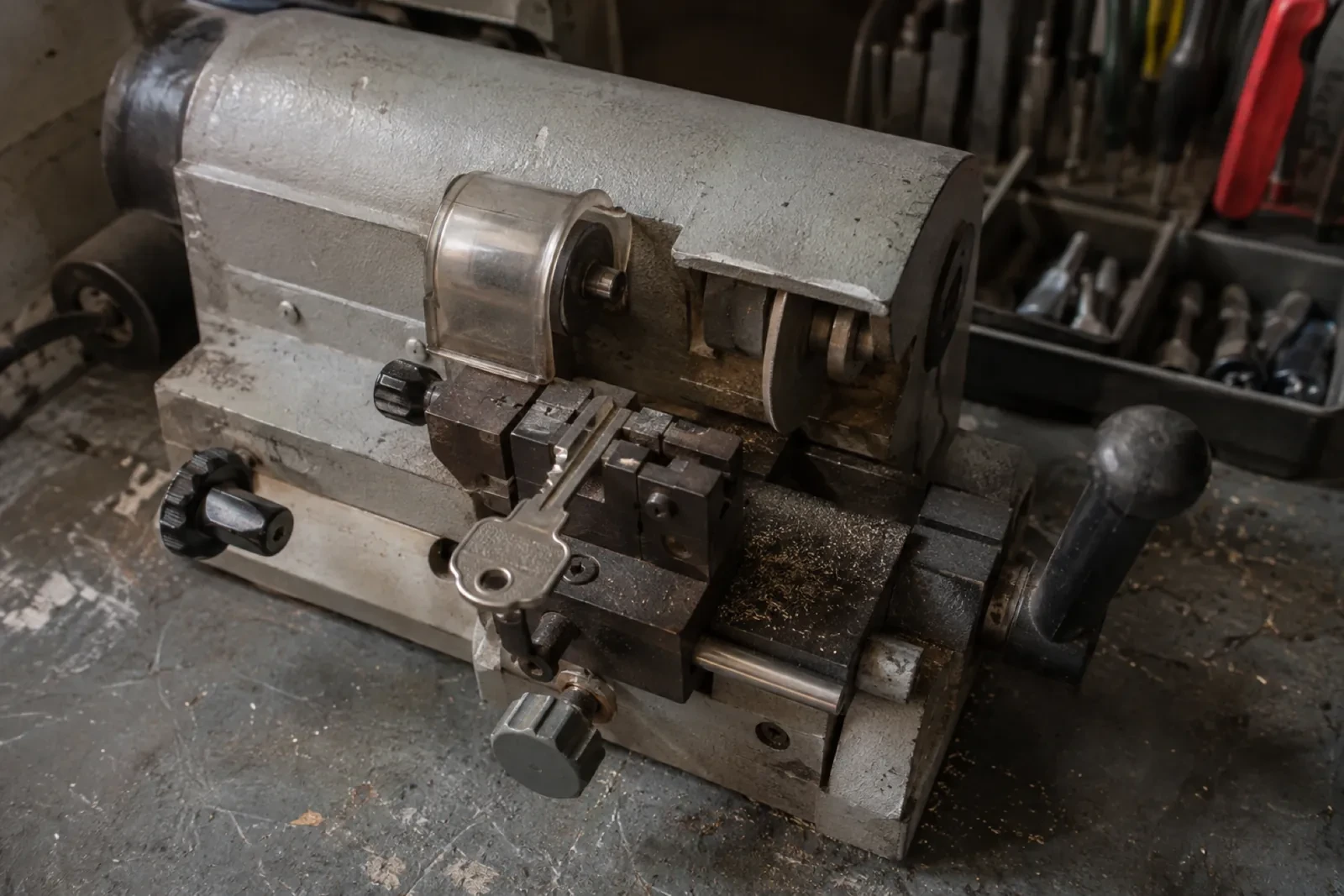
Key cutting machine
Transponder Key Programming
What affects the quote
Distance to where the vehicle is parked
Since the visit travels to the vehicle rather than the other way around, how far that is factors into the visit the same way it would for any other call that has to reach a specific location.
Type of key: blade, remote-head or proximity
A basic transponder blade, a remote-head key with buttons, and a push-button proximity key each involve a different amount of pairing beyond the immobilizer chip itself, which affects both the parts involved and the time the visit takes.
Fob battery or housing replacement
A fob with a failing battery, cracked buttons, or a worn housing may need that hardware replaced alongside the programming, which is identified during the initial check of the key rather than assumed either way.
What to have ready
- Is the key a basic blade, a remote-head, or push-button proximity?
- Do you have the vehicle permit or registration on hand?
- Do you have photo identification available?
Transponder Key Programming: questions
QuestionsHow does a lost or stolen key get made useless?
Its identity is deleted from the immobilizer's memory during the same visit that adds the replacement, using the same connection to the vehicle's module. Once cleared, that key still opens a mechanical lock it happens to fit, but it no longer authorizes the engine, which removes the part of the vehicle that actually matters to whoever might be holding it.
What's the difference between cutting a key and programming it?
Cutting shapes a blank to match the lock, so it turns the mechanical cylinder in the door or ignition. Programming is a separate step where the chip inside the key head is taught to the vehicle's immobilizer, so the engine agrees to start. A key can be cut perfectly and still fail to start the car if that second step was skipped, which is the single most common source of confusion in this service.
Will adding a new key affect the keys I already have?
Adding a key is meant to leave every existing key exactly as it was; the new identity is written alongside the others rather than replacing anything. The locksmith checks that the older keys still work as part of the same visit, precisely so an oversight does not go unnoticed. Only a key you specifically ask to have cleared, such as one that was lost, stops working.
Related services
- Car Key ReplacementThe key snapped at the head while you were turning it in a stiff, frosty door lock.
- Spare Car Key DuplicationThe proximity fob has ridden in a pocket for years, the range feels shorter than it used to, and a dashboard warning mentioned a battery a while back.
- Key Fob ProgrammingA cracked case or a spin through the wash left the fob unresponsive, and opening it up reveals a slightly corroded board where the buttons used to sit.