High security · Kenilworth
Safe Opening & Combination Change in Kenilworth
The pharmacy's drop safe has a keypad that finally lost power for good, and the little override key that was supposed to live behind the counter cannot be found anywhere.
In plain words
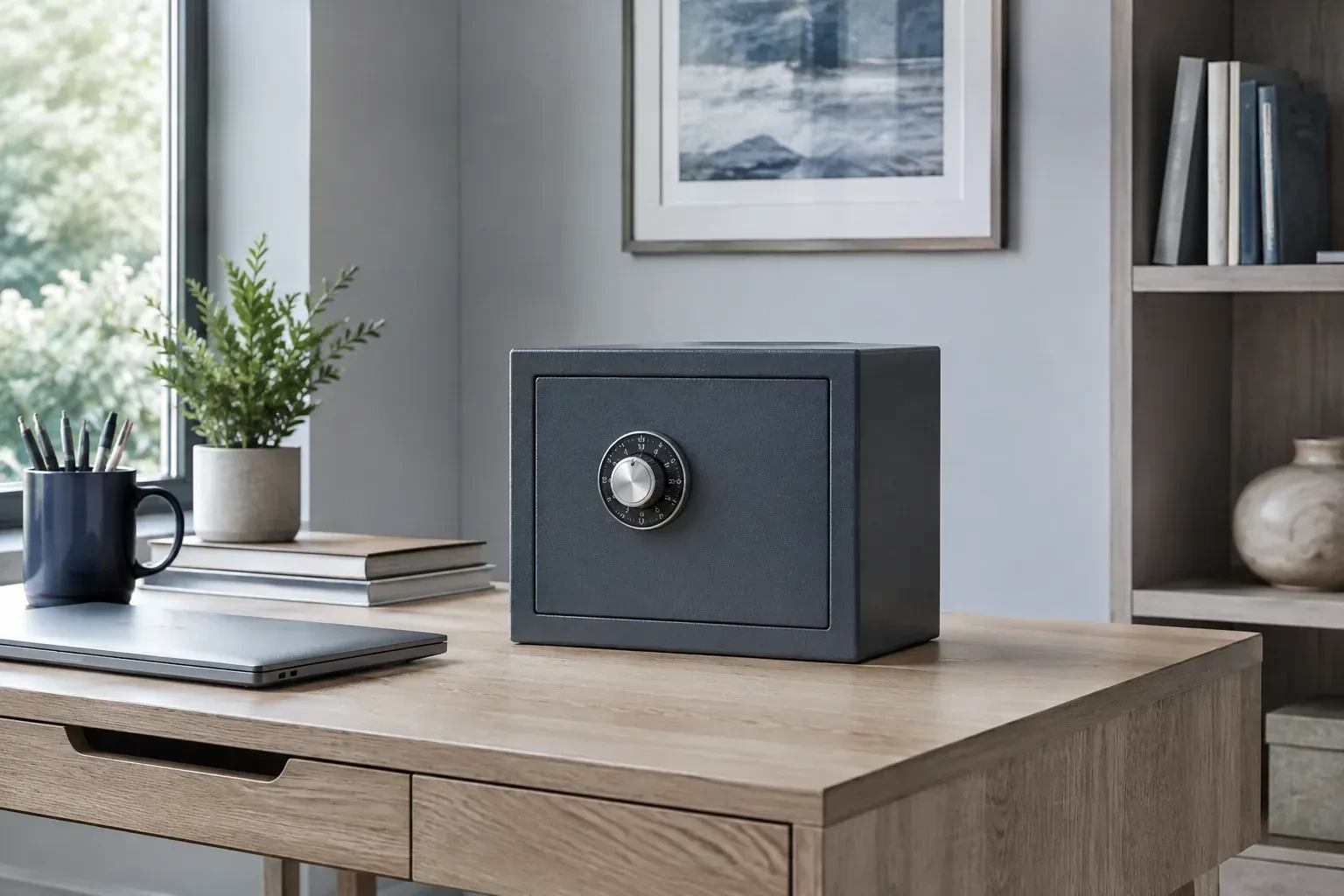
Mechanical and electronic safe locks call for genuinely different work. A mechanical dial is opened by manipulation or decoding, reading resistance through the spindle as the wheel pack lines up one wheel at a time. An electronic keypad is approached through that model's own documented recovery options first, since some keep a way back in that avoids opening the case, while others have none and a reset connection has to be made at the lock body inside the container. Knowing which lock is on the safe before arrival shapes which tools and which approach get used.
How the visit goesThe new manager took over the shop last month and only now needs the back-office safe open, but the combination the previous owner was supposed to leave in writing never turned up anywhere in the handover file.
Safe Opening & Combination Change
How the visit goes


Records, plates and security ratings
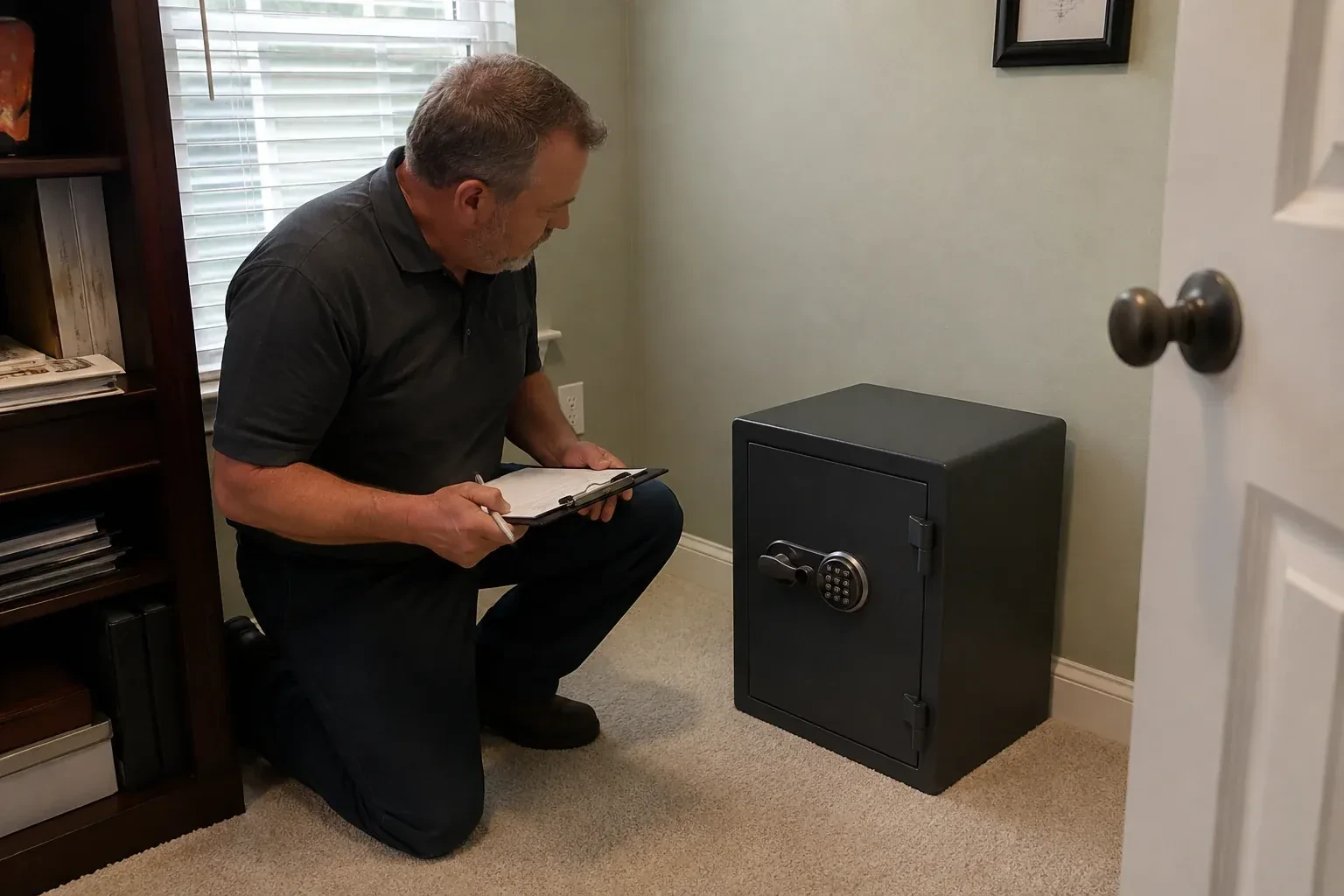
A safe's data plate, when it survives, often carries more than a model number: many list a UL security classification for the lock itself, information that tells the locksmith what level of manipulation resistance to expect and what tools the job calls for. Any paperwork the owner still has, a purchase receipt, a service record from a previous visit, or a manual tucked in a drawer, adds detail that speeds up identification. Where none of that survives, the locksmith builds the same picture by reading the hardware directly, just with a few extra minutes spent confirming what the plate would otherwise have said.
Freeing a jammed relocker or bolt work
When the combination or code is correct but the door still will not move, the problem sits in the bolt work rather than the lock. The locksmith traces the linkage between the lock and the bolts, looking for a tripped relocker, corrosion, or a bent part from an earlier impact, and works to free or bypass the specific point that is jammed. This sometimes means accessing the mechanism from the back or side of the safe rather than through the lock face at all. Once the bolts move freely again, the lock itself is tested separately to confirm it was never the actual fault.
Confirming what belongs behind the door
For a safe used to store firearms, the visit is a natural moment to confirm the storage arrangement inside still matches what the applicable federal requirements for a business expect, since those rules cover the container, the room around it and how access is limited to authorized people. For a safe holding cash, records or client property, checking that nothing was disturbed while the lock was being worked on, and that the new combination is set before anything is put back, closes the loop on the same visit rather than leaving it for later.
Safe Opening & Combination Change
In the van
Repair plug and patch plate
Borescope for internal viewing
Replacement dial and ring
Manipulation and tension tools
Nine-volt and lithium batteries

Safe Opening & Combination Change
What affects the quote
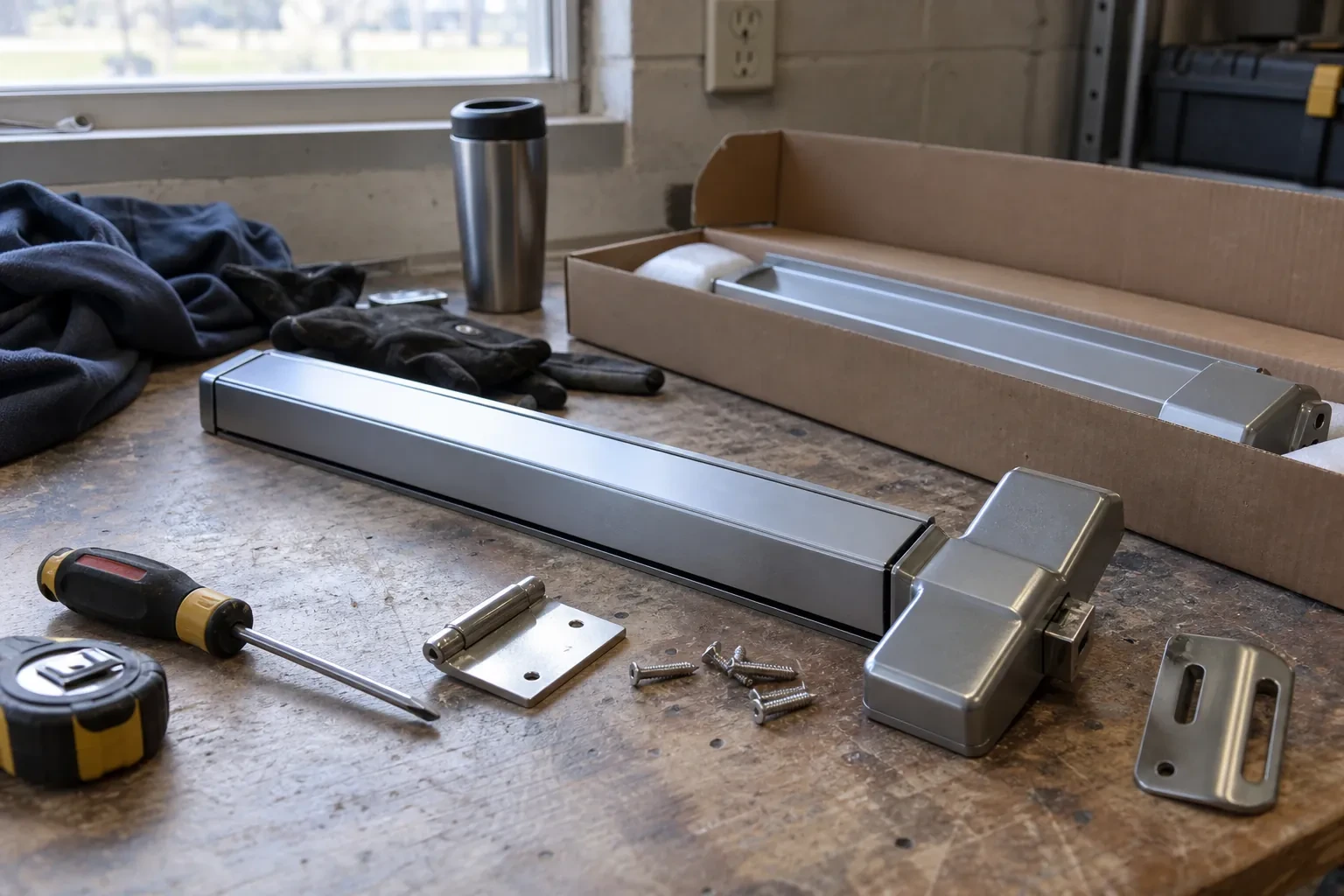
Bolt work or handle repair beyond the lock itself
A jammed bolt, corroded linkage or broken handle found during the assessment is quoted as its own item alongside whatever combination or lock work was originally requested.
Security rating of the existing lock
A higher-rated lock, such as a UL Group 1 mechanical lock, generally takes longer to manipulate or decode than a basic Group 2 lock, and that time is reflected in the visit.
Number of new codes needed afterward
Setting one combination for a single owner is the simplest case; programming separate codes for several staff members on an electronic lock takes correspondingly more time.
What to have ready
- Is the lock a dial, a keypad, or a key?
- Who besides you should have the new combination afterward?
- Roughly how old is the safe, if you had to guess?
Safe Opening & Combination Change: questions
QuestionsMy electronic safe lock has a dead battery. Do you still need to drill it?
Usually not. It depends on the model. Some electronic locks offer an external contact for a fresh battery, or a mechanical override key behind a cover plate; restoring power this way wakes a dead keypad but does not bypass a lost code on its own. Others have a reset port on the lock body, which sits inside the safe and still needs the door opened by other means first. The locksmith works through that model's own documented procedure before considering anything more invasive.
Can several employees each get their own code once the safe is open?
Many electronic locks support more than one user code, so a manager and one or more backup employees can each be set up separately during the same visit rather than sharing a single combination. A mechanical dial only holds one combination at a time, so multiple access there means agreeing who holds it and how that changes when staff do.
What happens to the hole if my safe has to be drilled?
It is closed with a repair plug or patch plate matched to the case material and finish before the visit ends, aiming to leave one small, professionally finished repair rather than an open hole, with the exact result depending on the safe's construction and the approved repair method used. If the drilled point affected the safe's original security rating, that is explained plainly, along with whether the replacement lock restores it to its prior level.