Car keys · Kenilworth
Vehicle Lock Repair in Kenilworth
The car came with a second key that grinds and catches in the rear door, unlike the smooth key you use every day on the front two.
In plain words
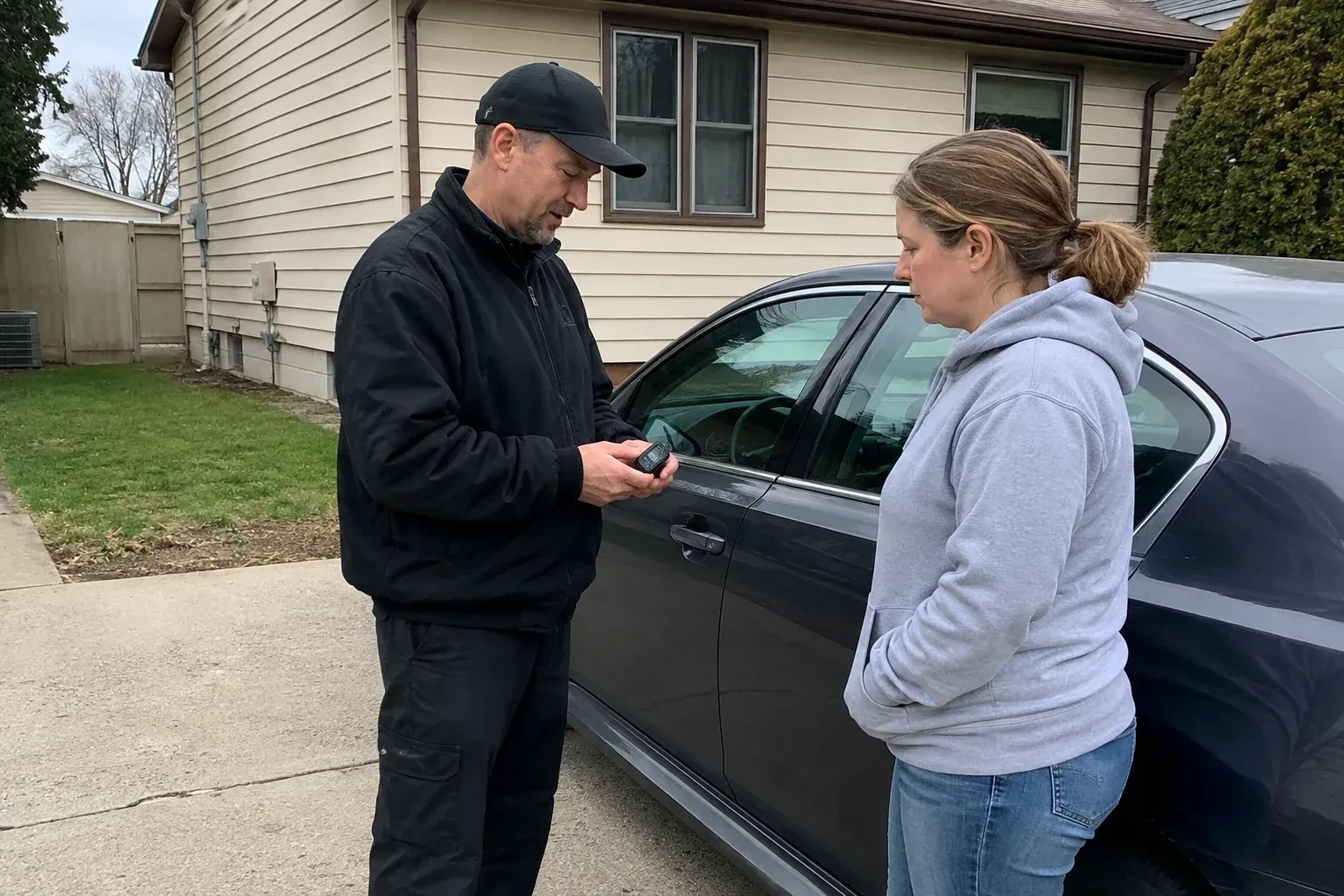
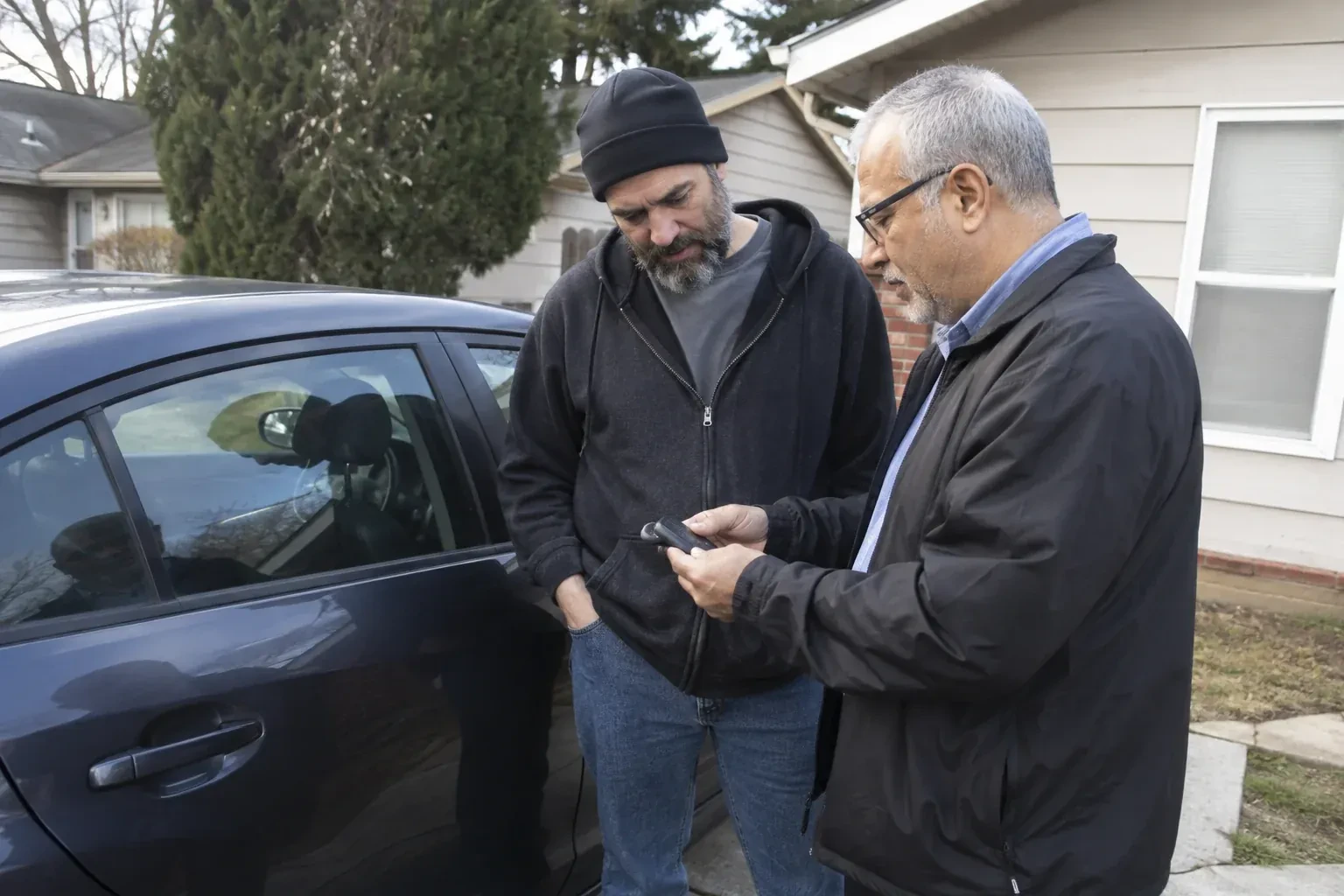
The visit follows a steady order regardless of which lock is affected. On the phone, the vehicle's details and the symptom are noted; on arrival, the customer's connection to the vehicle is confirmed against the registration; then the affected panel is opened, the cylinder, linkage and actuator are tested in turn, and the specific failed part is identified. Repair or replacement follows, new keys or a fob are cut or matched as needed, and every point is cycled by whichever controls it actually has, key, switch or remote, before the visit closes.
How the visit goesThe car came with a second key that grinds and catches in the rear door, unlike the smooth key you use every day on the front two. It eventually turns, but the roughness has been there since the day you brought the car home.
Vehicle Lock Repair
How the visit goes
Checking the key fob on its own terms
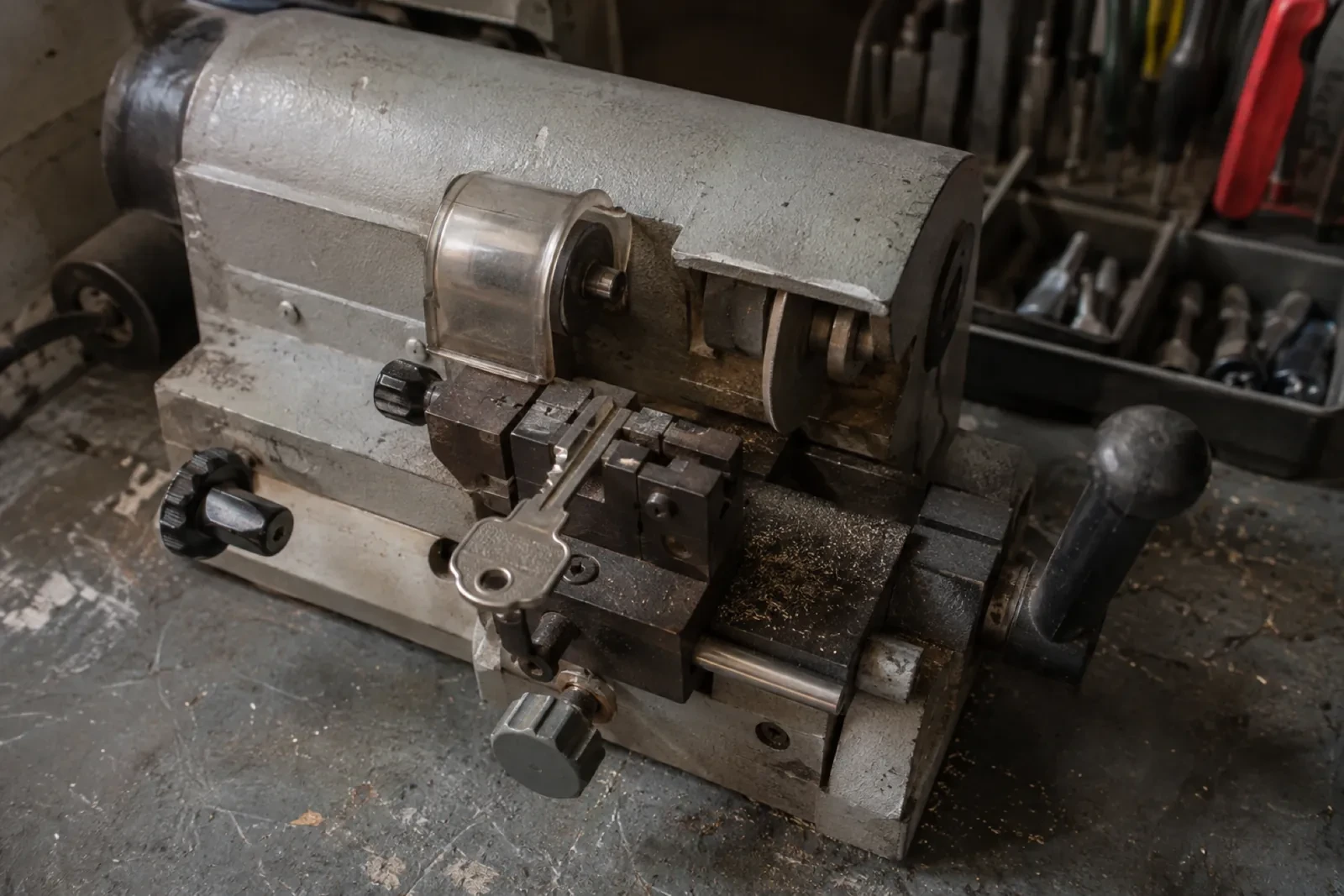
A remote that has stopped working gets tested separately from the mechanical lock. The locksmith checks the fob's coin battery, the condition of its buttons and case, and whether the vehicle still recognizes the fob's signal at all, since a flat battery, a cracked case letting in moisture, or a fob that has simply lost its pairing all look the same from the driver's seat but call for different fixes.
Tracing and repairing a wiring fault
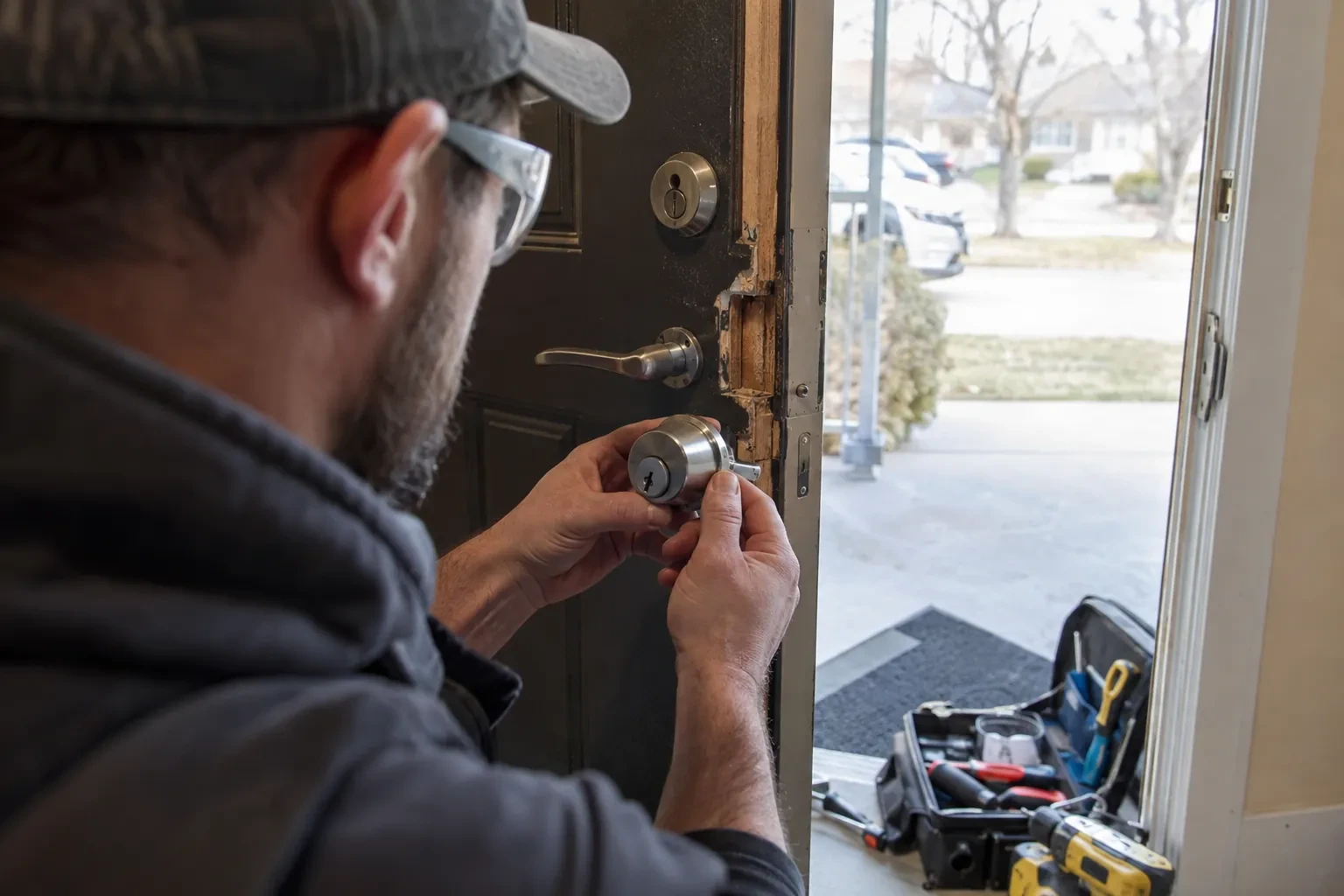
Where the fault sits in the wiring rather than the actuator, the locksmith follows the circuit back from the lock to the door hinge, checking the flexible wiring boot that carries the wires between the body and the door for cracks or fraying. A damaged section is repaired or the boot replaced, and the connector is checked for corrosion, since this small rubber conduit takes the brunt of every door open and close over the years.
Understanding what was actually replaced
You leave the visit knowing exactly which part failed and which part replaced it: a cylinder, a linkage rod, an actuator, a length of wiring, or the key and fob themselves. That record is worth keeping with the vehicle's other maintenance notes, since it tells the next locksmith or technician exactly where to look if a related symptom turns up on a different door later on.
Vehicle Lock Repair
In the van
Key fob shells and batteries
Key blanks cut to code
Power door lock actuator
Transponder chips
Dry lock lubricant
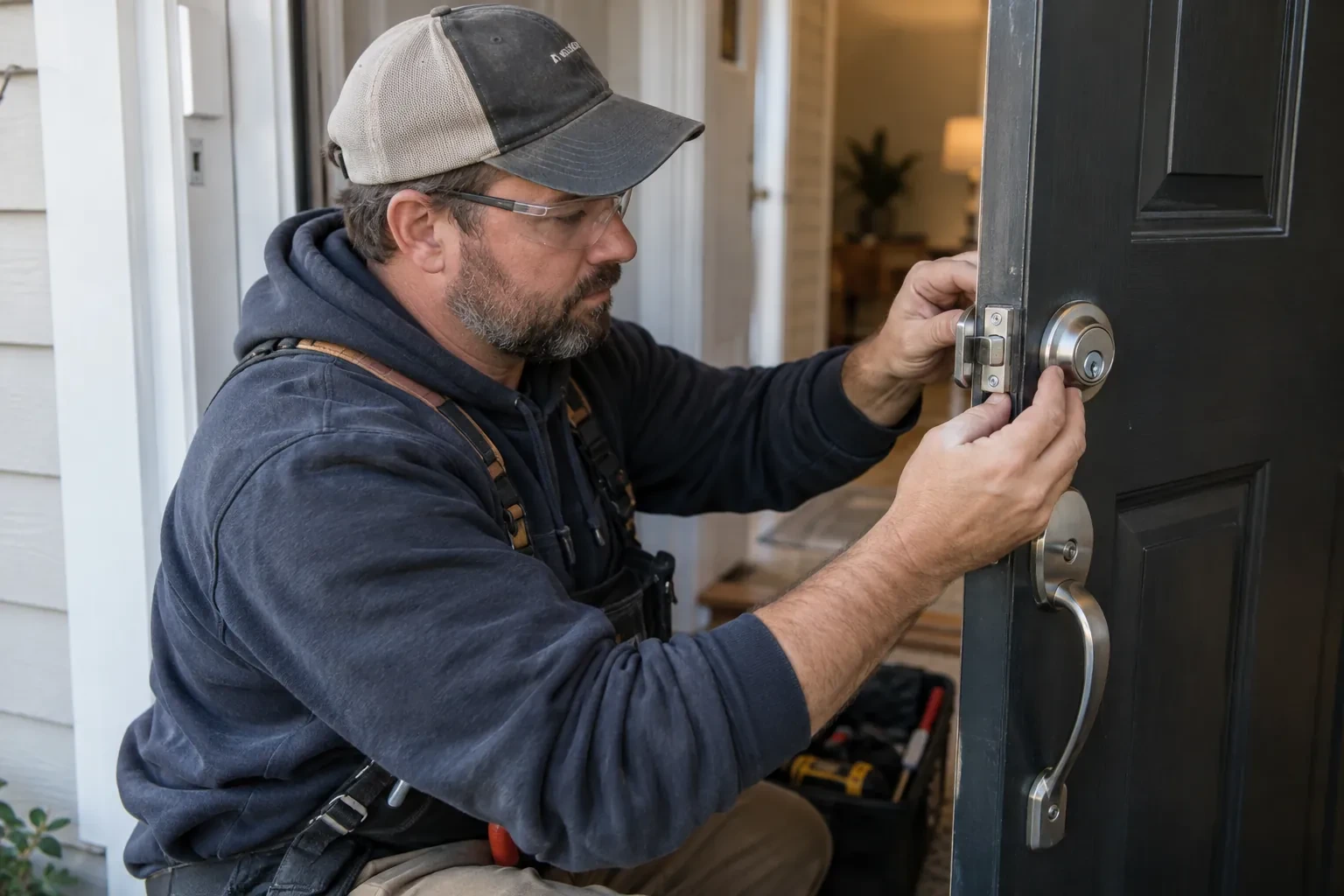
Vehicle Lock Repair
What affects the quote
Matching the vehicle's existing key system
Bringing an odd-one-out lock or key back onto the vehicle's existing key system takes extra diagnostic time compared with a straightforward single-part swap, and the quote accounts for that additional work.
Transponder or immobilizer compatibility
Vehicles that require a chip inside the key for the engine to start add the cost of a compatible transponder and the programming step, on top of cutting the key blade itself.
Central locking versus a single door
A fault confined to one lock is more contained than one that involves the vehicle's central locking module or wiring shared across several doors, which takes longer to trace and quotes accordingly.
What to have ready
- Is the vehicle reachable and stationary right now, wherever it is parked?
- Would you like a spare key or fob cut during the same visit?
- Has the key fob's battery been replaced recently, or not that you recall?
Vehicle Lock Repair: questions
QuestionsWhat is the difference between an actuator problem and a wiring problem?
An actuator problem usually means the small motor that moves the lock has worn out, though a switch or control signal in the same assembly can fail too. A wiring problem usually means the motor is fine but current is not reaching it, often traced to a cracked wiring boot at the door hinge or a corroded connector, though the locksmith checks the whole path rather than assuming which it is.
What causes a car door lock to seize up in winter?
Meltwater from a thaw can run into the keyway during the day and refreeze overnight, and road salt and brine thickens grease inside an older cylinder. Both make the key resist turning or stop partway, and both respond well to gentle warming or a lock de-icer rather than force.
The remote does not work on one door, but the key still does. What is going on?
This pattern usually points to the power lock actuator on that specific door rather than the mechanical lock, since the key path and the remote path use different components once they reach the door. The actuator, its wiring, or the connector near the hinge are the likely places to look.
Related services
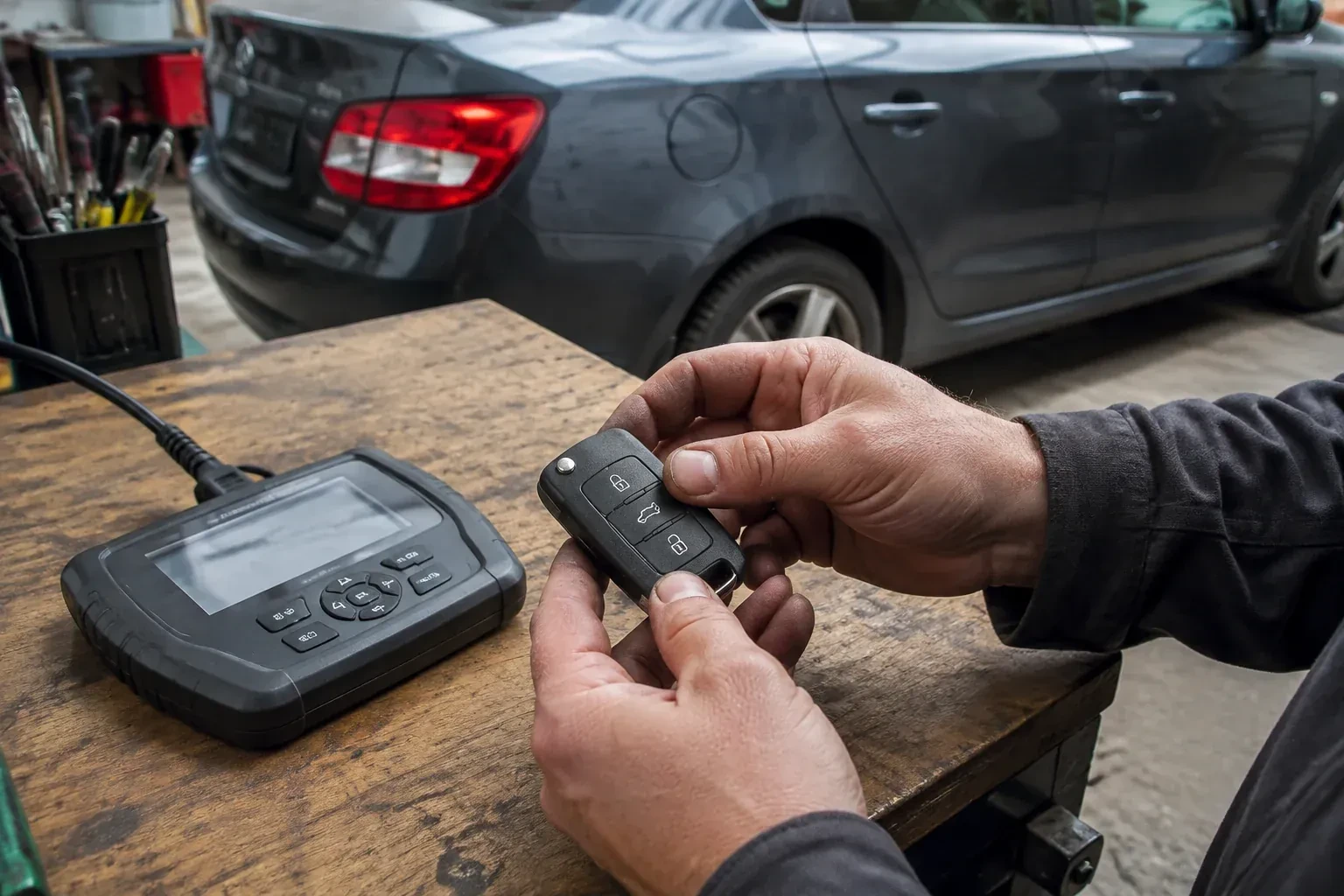
- Car Key ReplacementThe key snapped at the head while you were turning it in a stiff, frosty door lock.
- Spare Car Key DuplicationThe proximity fob has ridden in a pocket for years, the range feels shorter than it used to, and a dashboard warning mentioned a battery a while back.
- Key Fob ProgrammingA cracked case or a spin through the wash left the fob unresponsive, and opening it up reveals a slightly corroded board where the buttons used to sit.